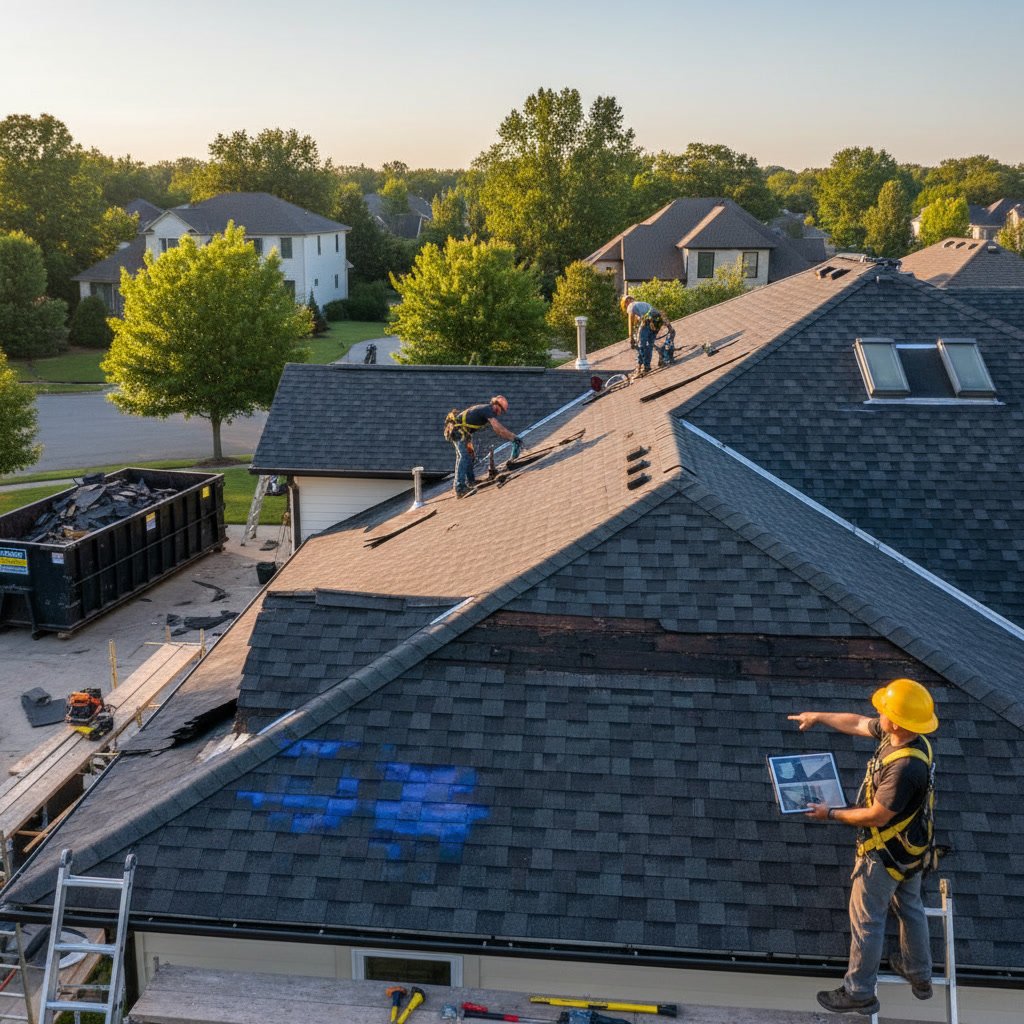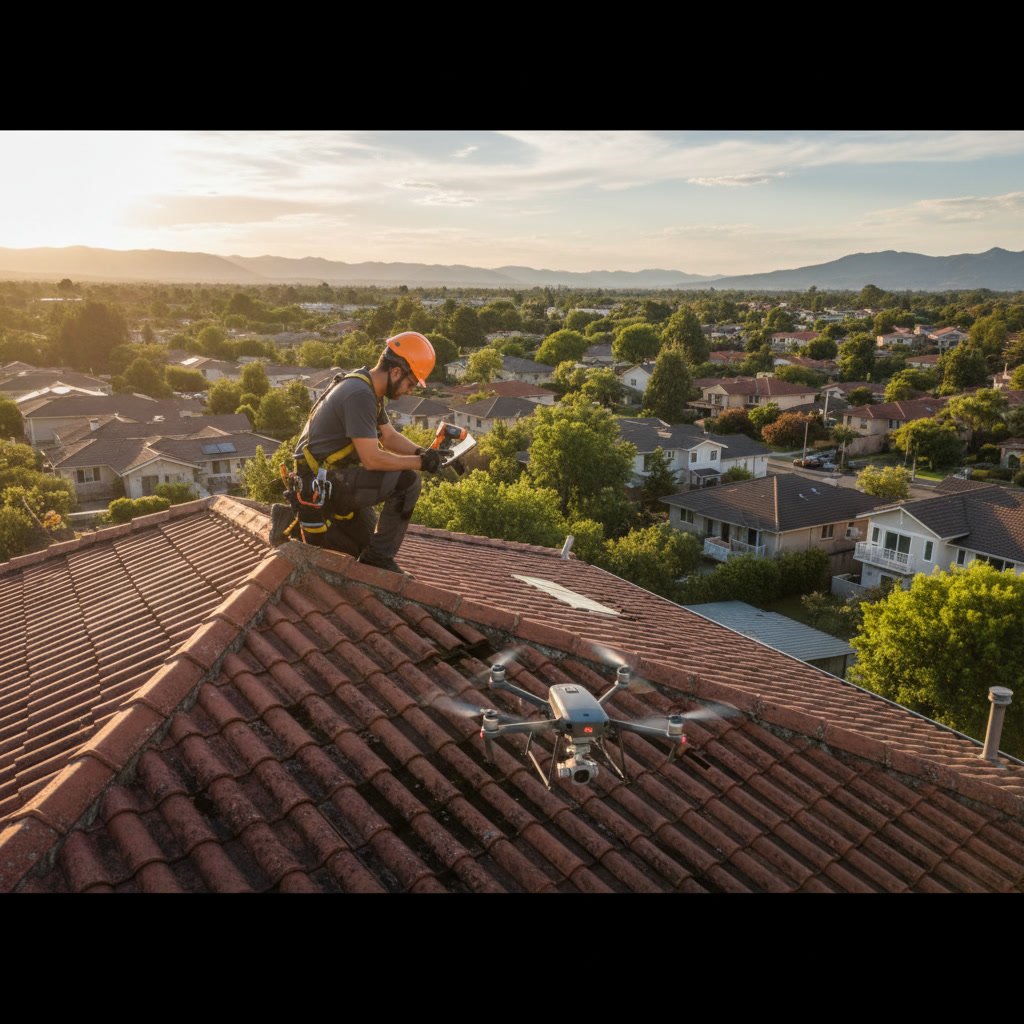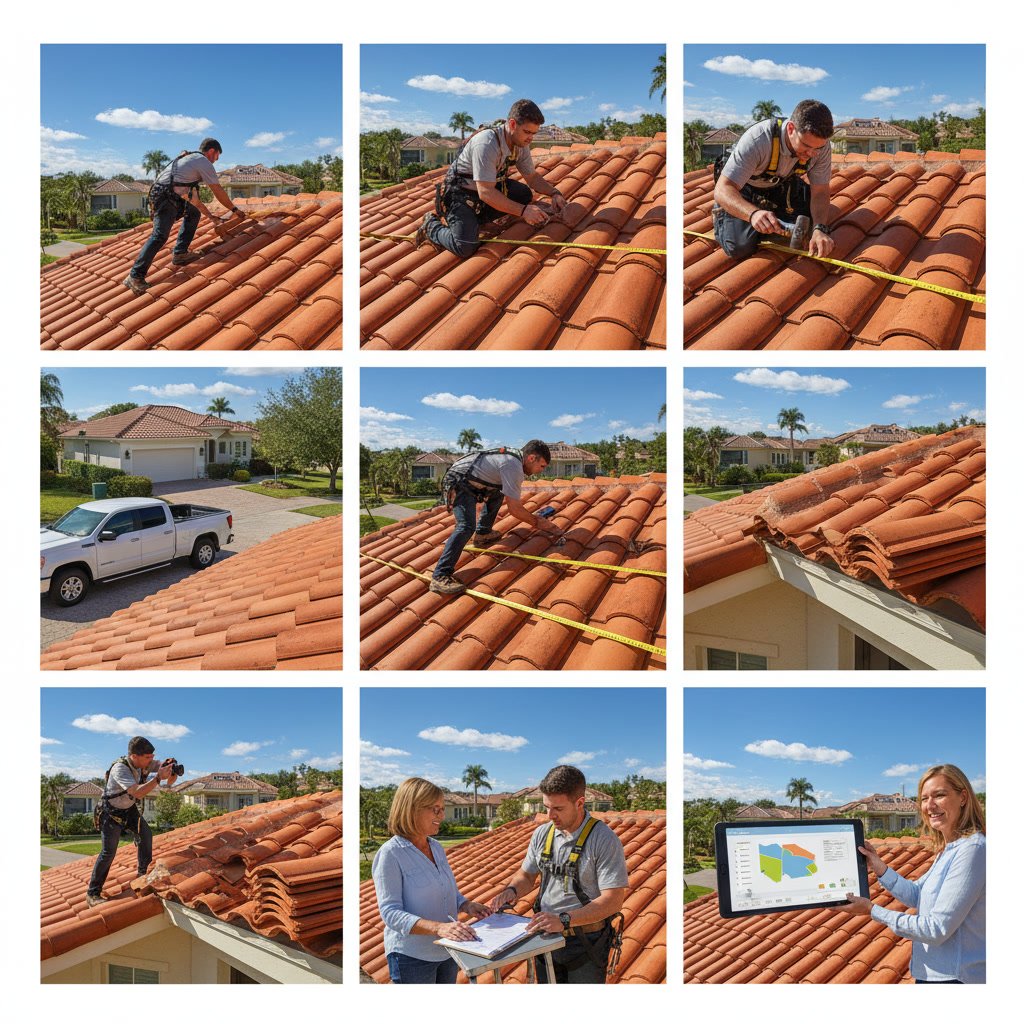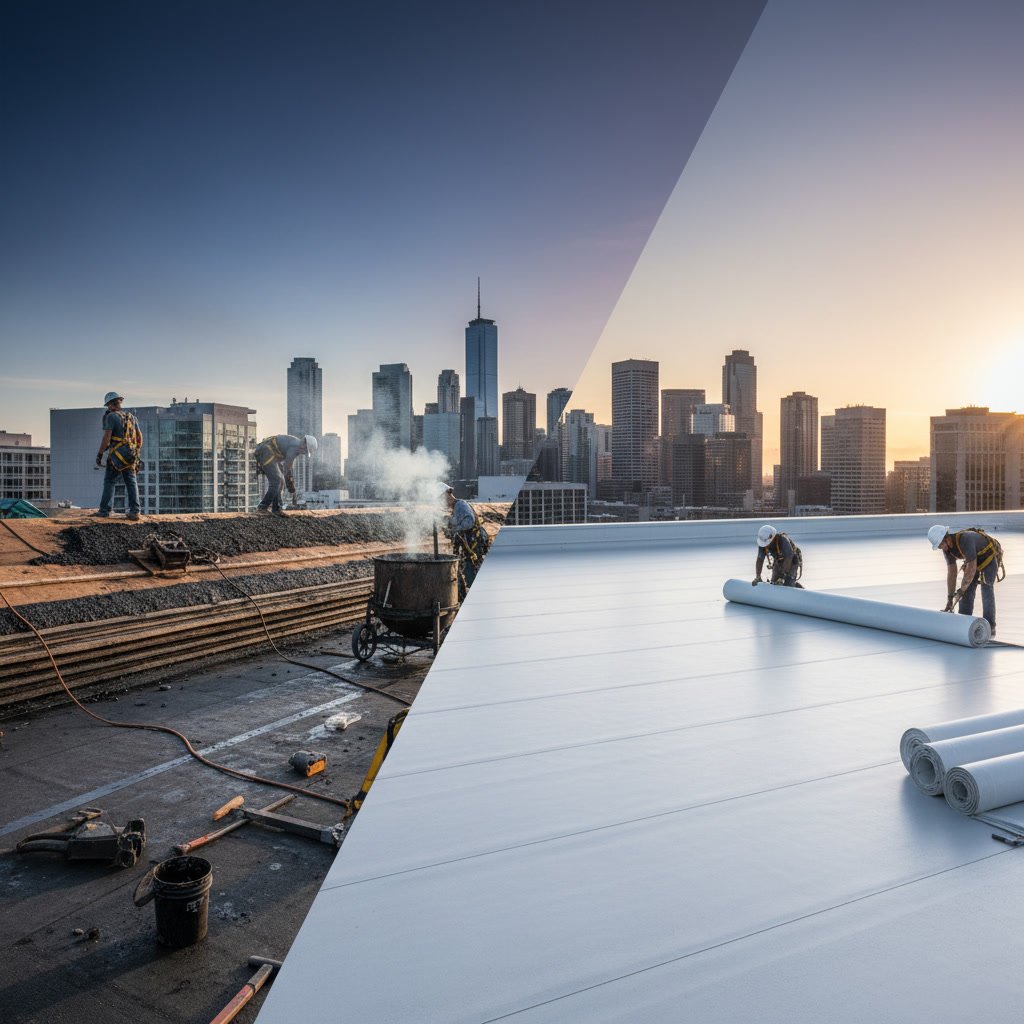

A roof leak emergency demands immediate attention when water threatens your safety, damages electrical systems, or pours in large volumes. Minor drips without these risk factors can typically wait until morning for professional repair. The key is recognizing which warning signs indicate urgent danger versus manageable inconvenience.
Most homeowners discover leaks at the worst possible time, often during heavy rain or late at night. Understanding the difference between a true emergency and a situation you can temporarily manage helps you make smart decisions that protect both your home and your budget.
Why Time Matters When Your Roof Starts Leaking
Water damage accelerates quickly once it enters your home. Drywall begins absorbing moisture within minutes, insulation loses its effectiveness when wet, and mold spores can begin colonizing damp surfaces in as little as 24 to 48 hours. Even a small leak deposits gallons of water over several hours during a typical Florida thunderstorm.
The location of the leak matters as much as the volume. Water near electrical panels, inside walls with wiring, or pooling on ceilings creates hazards that go beyond property damage. A leak over your bedroom might seem less urgent than one dripping onto your kitchen counter, but ceiling weight from trapped water can lead to sudden collapse without warning.
Signs Your Roof Leak Requires Immediate Action
Certain warning signs mean you should not wait. If you see water running down walls rather than dripping from a single point, the leak has already spread inside your wall cavities. This indicates significant water entry that will cause extensive hidden damage if left unaddressed.
Active water contact with electrical fixtures, outlets, or your breaker panel creates electrocution and fire risk. Turn off power to affected areas immediately and treat this as an emergency requiring professional help. Water and electricity never mix safely.
A ceiling that sags, bulges, or shows spreading dark stains means water has saturated the drywall or plaster. These materials lose structural integrity when soaked and can collapse suddenly, potentially injuring anyone below and damaging furniture or flooring.
Leak Characteristics That Can Usually Wait Until Morning
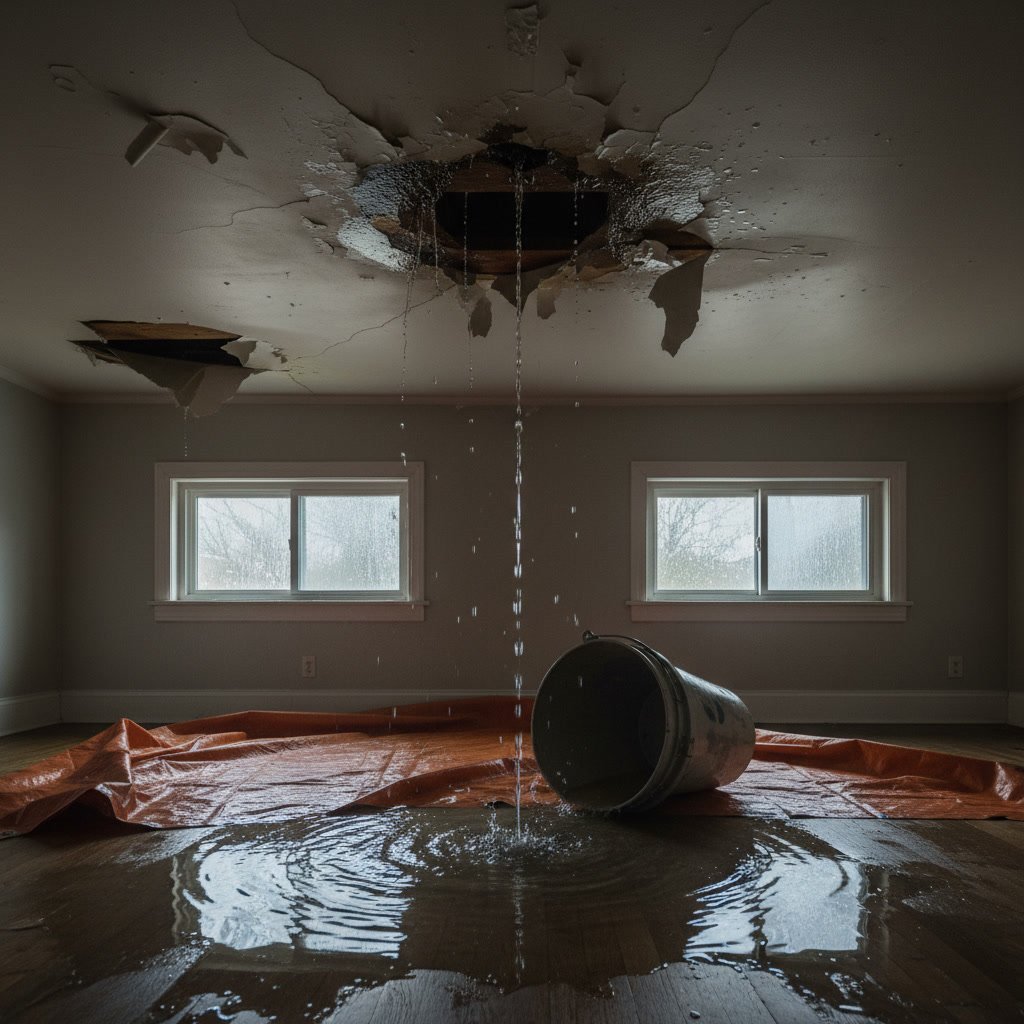
A slow drip from a single point on your ceiling, especially if you can catch it in a bucket and the weather forecast shows rain ending soon, typically does not require a midnight service call. These leaks still need prompt repair, but waiting six to eight hours for normal business hours will not dramatically worsen the situation.
Small stains that appeared during a storm but produce no active dripping once the rain stops indicate a leak that penetrated your roof but has not created an ongoing flow. Document the location with photos and schedule a professional roof inspection within a few days.
Leaks in unoccupied spaces like attics or garages, where water will not damage living areas or create safety hazards, give you more flexibility in timing your response. Place containers to catch drips and protect any stored items, then address the repair during normal hours.
Immediate Steps to Take for Any Active Leak
Contain the water first. Place buckets, trash cans, or any waterproof container under active drips. Lay down towels or tarps to protect flooring from splashing. Move furniture, electronics, and valuables away from the affected area.
If water has pooled on your ceiling and created a bulge, carefully puncture the lowest point with a screwdriver to allow controlled drainage into a bucket. This prevents a sudden collapse and gives you control over where the water goes. The small hole you create will be repaired anyway when fixing the leak.
Document everything with photos and video. Capture the leak location, water damage extent, and any property affected. This documentation helps with insurance claims and gives repair professionals important information about the situation before they arrive.
Weather Conditions That Escalate Leak Urgency
Ongoing heavy rain with no end in sight turns a manageable drip into a growing problem. Check weather radar and forecasts. If multiple hours of heavy precipitation are expected, a small leak can deposit enough water to cause serious damage before the storm passes.
Wind-driven rain reaches areas of your roof that stay dry during normal storms. If you notice a leak during particularly windy conditions, the water may be entering through damaged flat roofing sections or vulnerable flashing that will continue leaking throughout the weather event.
Florida’s severe weather patterns often bring multiple storm cells over several hours. Even if current rain seems light, additional waves of heavy precipitation can turn a minor leak into a major problem before morning arrives.

How to Safely Assess Your Roof During a Storm in Valrico
Never climb onto your roof during rain, high winds, or darkness. Wet roofing materials become extremely slippery, and visibility issues increase fall risk dramatically. Even experienced professionals avoid roof access during active storms.
From inside your attic, if you can access it safely, use a flashlight to locate the water entry point. Look for streams of water, wet insulation, or light coming through gaps. Place containers under interior drips and note the location relative to roof features visible from outside.
From the ground using a flashlight or during daylight after the storm, look for obvious damage like missing shingles, lifted tile roofing sections, or debris on the roof. Binoculars help you spot damage without climbing. Do not attempt repairs yourself if you are not experienced and properly equipped.
Temporary Measures That Buy You Time
Once rain stops, a tarp secured over the damaged area provides temporary protection until professional repairs can be completed. Use a tarp large enough to extend at least four feet beyond the damaged section in all directions. Weight edges with boards or sandbags, never with loose bricks that can slide off.
Inside your home, improving air circulation helps prevent mold growth. Set up fans to move air across wet surfaces, run dehumidifiers if you have them, and open windows if weather permits. Mold prevention starts immediately after water intrusion occurs.
For very minor leaks, roofing cement applied from inside the attic can provide a temporary seal. This is not a permanent solution and should only be used as a stopgap measure until proper roof leak repair can be performed from the exterior.
What Professional Emergency Services Actually Do
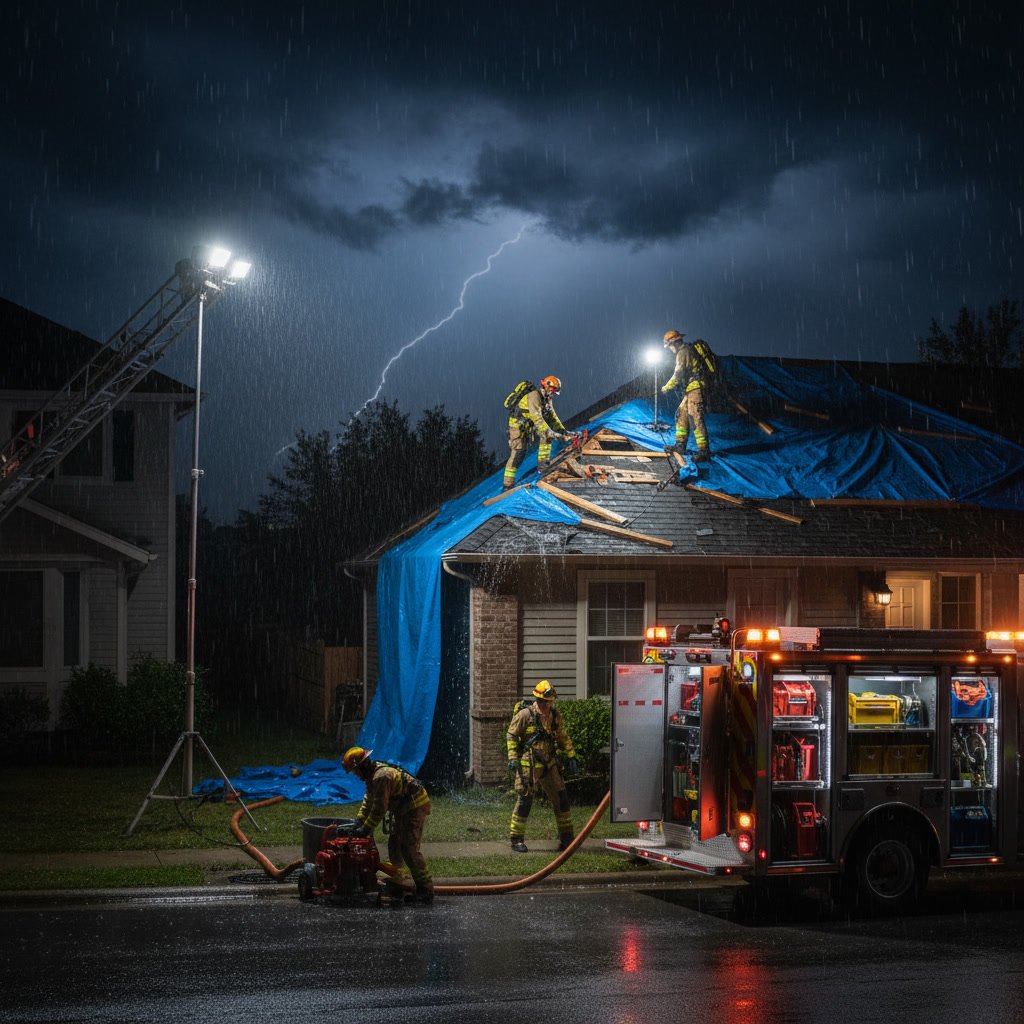
Emergency roofing response focuses on stopping active water intrusion and preventing additional damage, not completing permanent repairs. Professionals will tarp the damaged area, seal obvious entry points temporarily, and assess whether the situation has created structural or electrical hazards.
Experienced contractors understand that temporary stabilization during a storm differs from comprehensive repair work. They secure your property against further damage, document conditions for insurance purposes, and schedule follow-up work to permanently address the problem once conditions allow proper repair.
Emergency service calls typically cost more than scheduled repairs due to after-hours response, but this premium pays for immediate protection of your home. Weighing this cost against potential damage from an uncontrolled leak helps you make the right decision for your situation.
Insurance Considerations for Emergency Roof Repairs
Most homeowner policies cover sudden roof damage from storms, but requirements vary. Many insurers expect you to take reasonable steps to prevent additional damage once a leak occurs, meaning emergency tarping or temporary repairs may be covered or even required to maintain your claim.
Contact your insurance company as soon as safely possible after discovering a significant leak. They can authorize emergency repairs and send an adjuster to document damage. Keep all receipts for materials and services related to the leak, including emergency calls, temporary repairs, and water cleanup.
Understanding your deductible helps you decide whether to file a claim for emergency services. If damage costs only slightly exceed your deductible, you might choose to pay out of pocket to avoid potential rate increases. For major damage, filing a claim makes financial sense regardless of the deductible amount.
Common Mistakes That Make Leak Damage Worse
Ignoring small leaks because they seem minor allows hidden damage to accumulate. What starts as a tiny drip can rot roof decking, ruin insulation, and create mold colonies inside walls long before you notice serious problems. Our article on how professional roof inspections catch problems before emergencies explains why early detection matters.
Attempting DIY roof repairs during dangerous conditions puts you at risk of serious injury. Falls from roofs cause thousands of emergency room visits annually. Even if you feel confident in your abilities, wet conditions, darkness, and wind create hazards that professional equipment and experience are designed to manage safely.
Delaying proper repairs after temporary measures stops the immediate leak creates a false sense of security. Tarps eventually fail, temporary sealants break down in weather, and underlying damage continues to worsen. Temporary solutions buy time for proper repair, they do not replace it.
Protecting Your Home After the Emergency Passes
Once the immediate crisis is resolved, schedule a comprehensive evaluation of your entire roof system. A leak in one area often indicates aging or damage that affects other sections. Professional inspection identifies problems before they become emergencies. If you are wondering whether repair or replacement makes more sense, reading about what to do before the contractor arrives helps you prepare for that conversation.
Address water damage inside your home promptly to prevent long-term problems. Even after the roof is repaired, saturated insulation, drywall, and framing materials need proper drying or replacement to prevent mold growth and structural weakening. Professional water damage restoration services have equipment to detect hidden moisture and verify complete drying.
Consider scheduling regular roof maintenance to catch minor issues before they become leaks. Annual inspections identify worn sealants, damaged flashing, loose fasteners, and other problems that allow water entry during storms. Preventive maintenance costs far less than emergency repairs and extends your roof’s lifespan significantly.
Making the Right Call When You Discover a Leak
Trust your instincts about safety. If the situation feels dangerous or beyond your ability to manage, calling for professional help is always the right choice. Roof leaks can wait, but electrical hazards, structural risks, or rapidly worsening conditions should not.
The difference between a roof leak emergency and one that can wait comes down to safety risks, damage potential, and weather conditions. Large volume water entry, electrical contact, structural compromise, or ongoing severe weather all justify immediate professional response. Slow drips in safe locations during clearing weather can typically wait for morning.
Quick Quote Roofing provides emergency response and comprehensive roof repair services throughout the Brandon area. Our licensed professionals assess leak severity, provide immediate protection when needed, and deliver permanent solutions that keep your home dry. When you need expert help deciding whether your situation requires emergency service or can wait for a scheduled appointment, call +18135647603 to speak with our team.