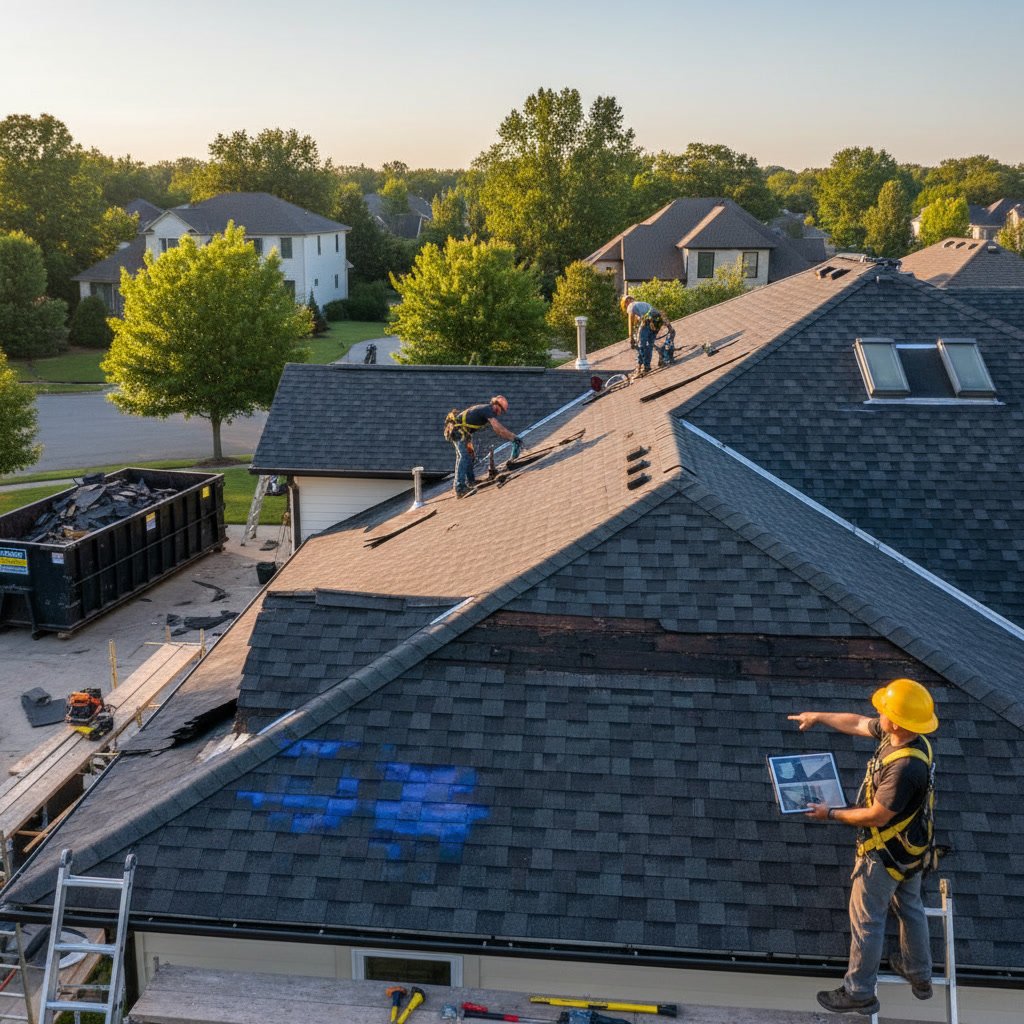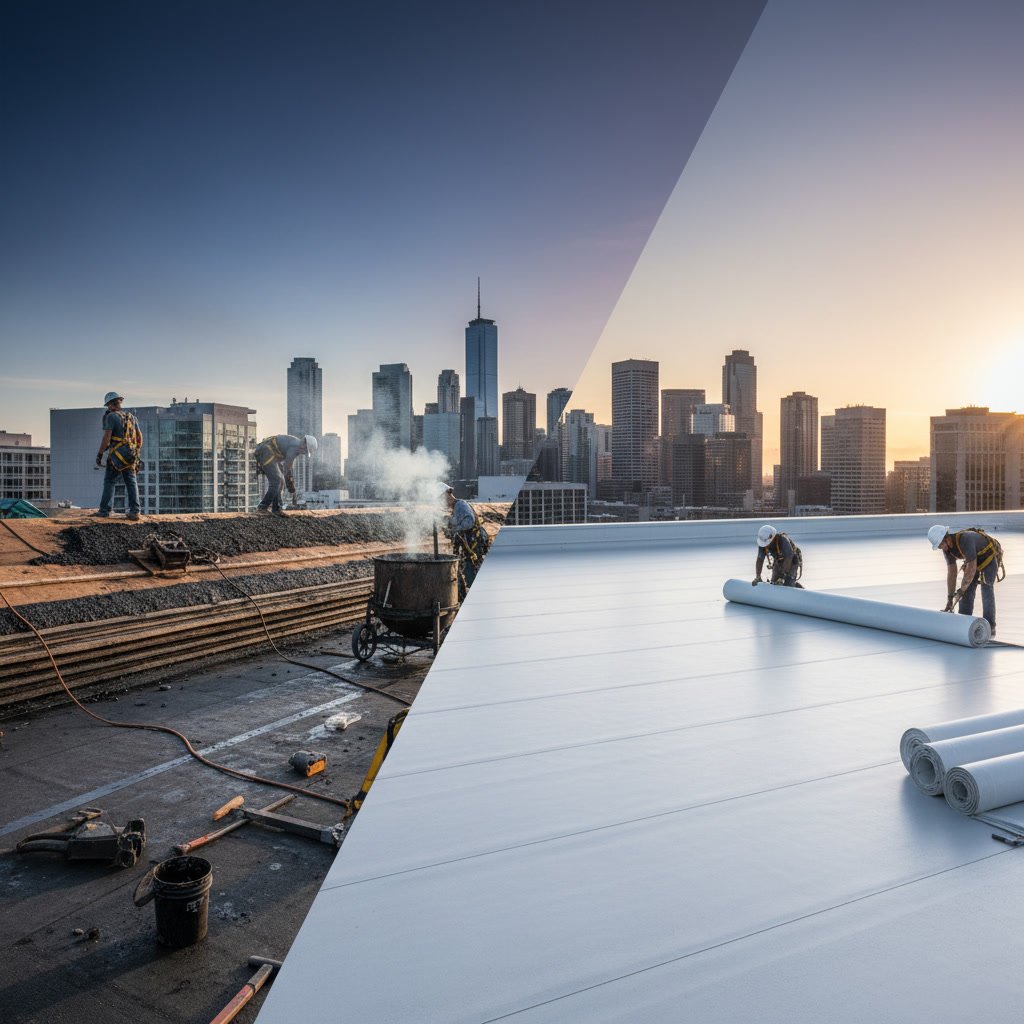
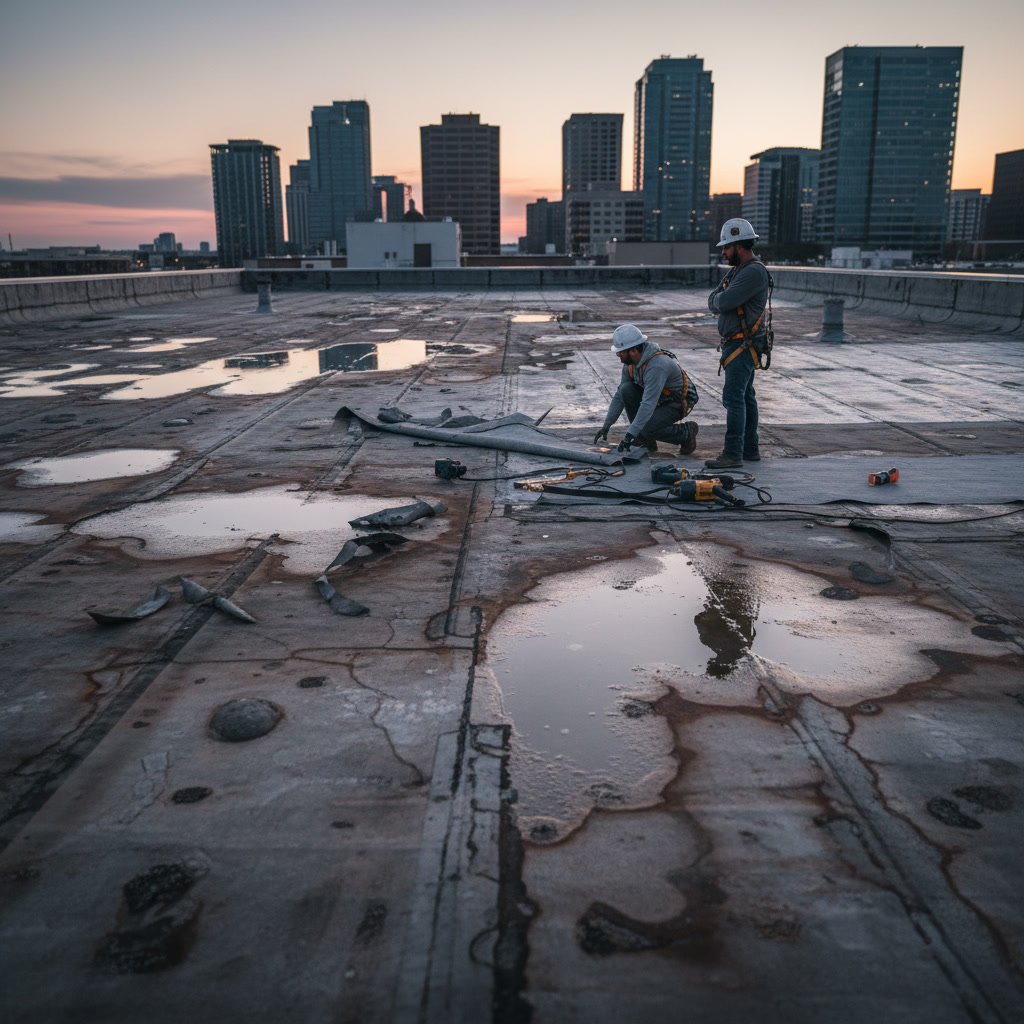
Deciding between commercial roof repair or replacement requires evaluating the extent of damage, the age of your roof, and the long-term cost implications. A repair typically makes sense when damage is localized and your roof is less than halfway through its expected lifespan, while full replacement becomes necessary when structural integrity is compromised, leaks are widespread, or ongoing repairs exceed 30 percent of replacement cost. Understanding the specific indicators for each option helps you make an informed decision that protects your building and budget.
Why Commercial Roofs Fail Faster Than Residential Systems
Commercial roofs face harsher conditions than residential structures. Most commercial buildings use low-slope or flat systems that accumulate standing water, debris, and UV exposure more intensely than sloped residential roofs. Foot traffic from HVAC maintenance crews accelerates wear around rooftop equipment. In Florida’s climate, intense sun, heavy rainfall, and hurricane-force winds compound these stresses.
The materials used in flat roofing systems also respond differently to aging. Single-ply membranes like TPO and EPDM can develop brittleness after years of thermal cycling, while built-up roofing loses its protective gravel layer and becomes vulnerable to punctures. Understanding these failure patterns helps you recognize when damage represents normal wear versus a systemic problem requiring full replacement.
The True Cost of Delaying a Commercial Roofing Decision
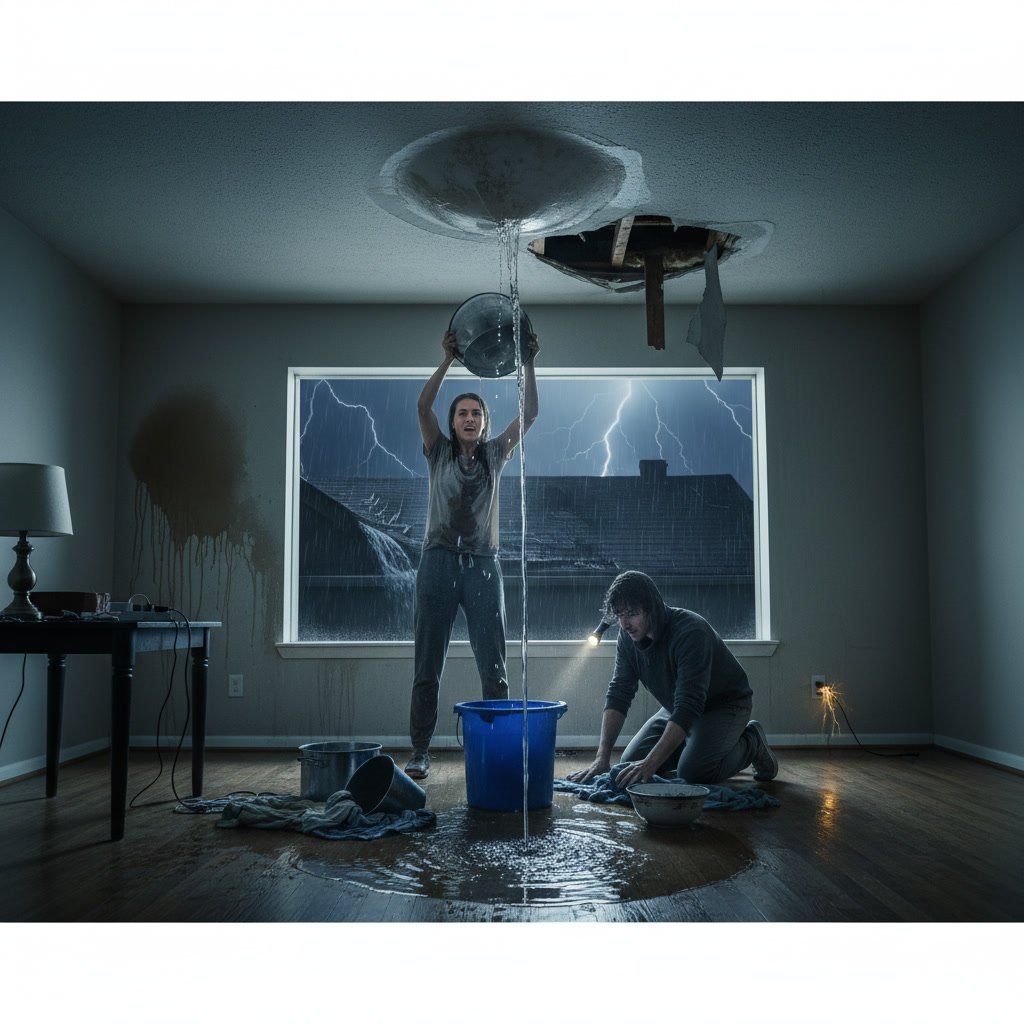
Postponing a needed roof replacement often seems like a cost-saving measure, but the financial impact of continued deterioration usually outweighs short-term savings. Water infiltration that starts small can damage insulation, compromise structural decking, and create mold growth inside your building. These secondary damages can triple the eventual repair bill.
Business interruption adds another layer of cost. A failing roof that leaks during business hours can force temporary closures, damage inventory, and disrupt operations. Insurance claims become more difficult when damage results from deferred maintenance rather than sudden events. Making a timely decision between repair and replacement protects both your building and your business operations.
Age and Expected Lifespan as Decision Factors
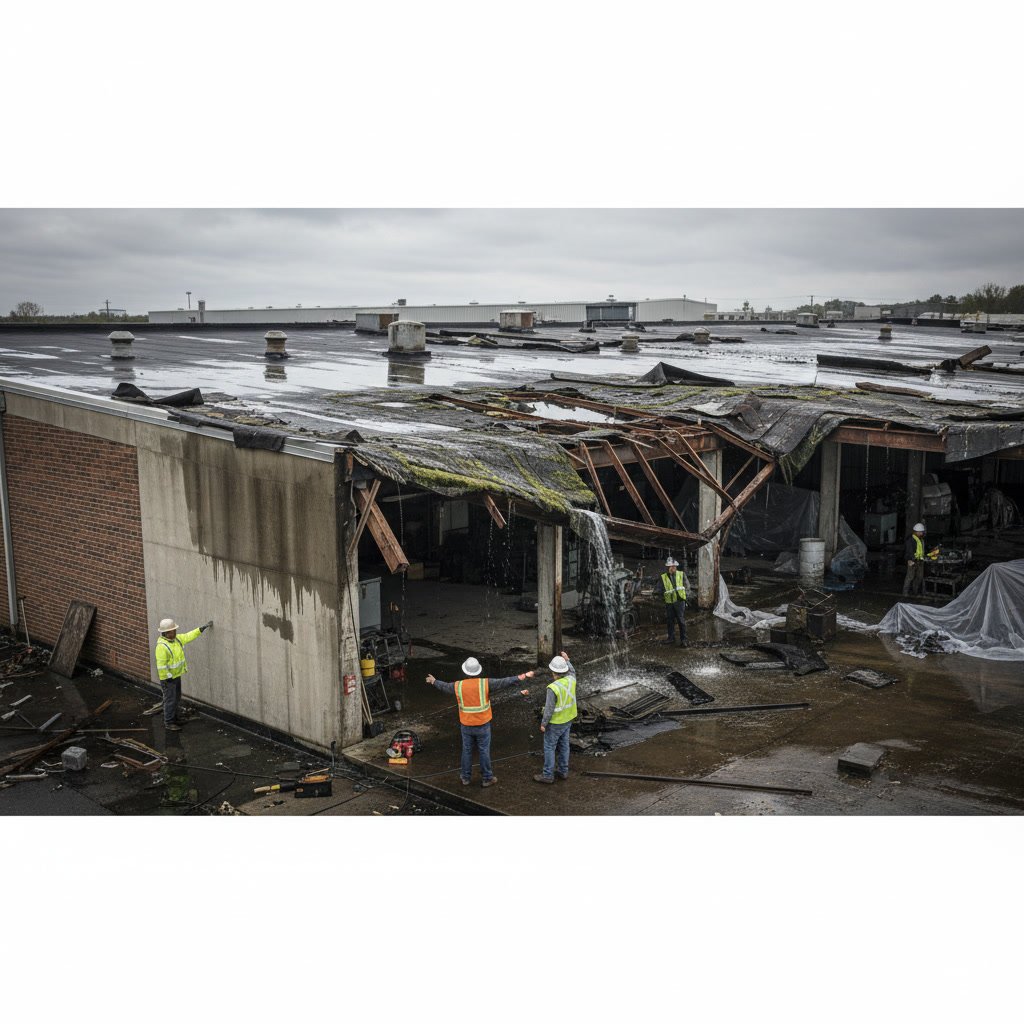
Every roofing material has a predictable service life. Modified bitumen systems typically last 15 to 20 years, TPO and PVC membranes range from 20 to 30 years, and metal roofing can exceed 40 years with proper maintenance. When your roof has reached 75 percent of its expected lifespan and needs significant repairs, replacement usually offers better long-term value.
A roof that is only five years old with localized damage almost always benefits from targeted repairs. The same damage on a 22-year-old roof signals it’s time for full replacement. Age alone does not dictate the decision, but it provides critical context for evaluating whether repairs will buy you meaningful additional years or simply delay the inevitable.
Signs That Point to Repair Rather Than Replacement
Certain conditions indicate that professional roof repair will solve your problem without requiring a complete tear-off. Isolated punctures from fallen branches, localized membrane splits around penetrations, or damage confined to a single section of the roof typically qualify for repair. If your roof membrane still shows flexibility and your insulation remains dry, targeted fixes can extend service life by several years.
Flashing failures around HVAC units, vents, and parapet walls also fall into the repair category when the surrounding roof membrane remains intact. These perimeter vulnerabilities can cause significant leaks while affecting only a small percentage of the total roof area. Addressing them promptly prevents water from migrating under the membrane and causing more extensive damage.
Clear Indicators That Replacement Cannot Be Avoided
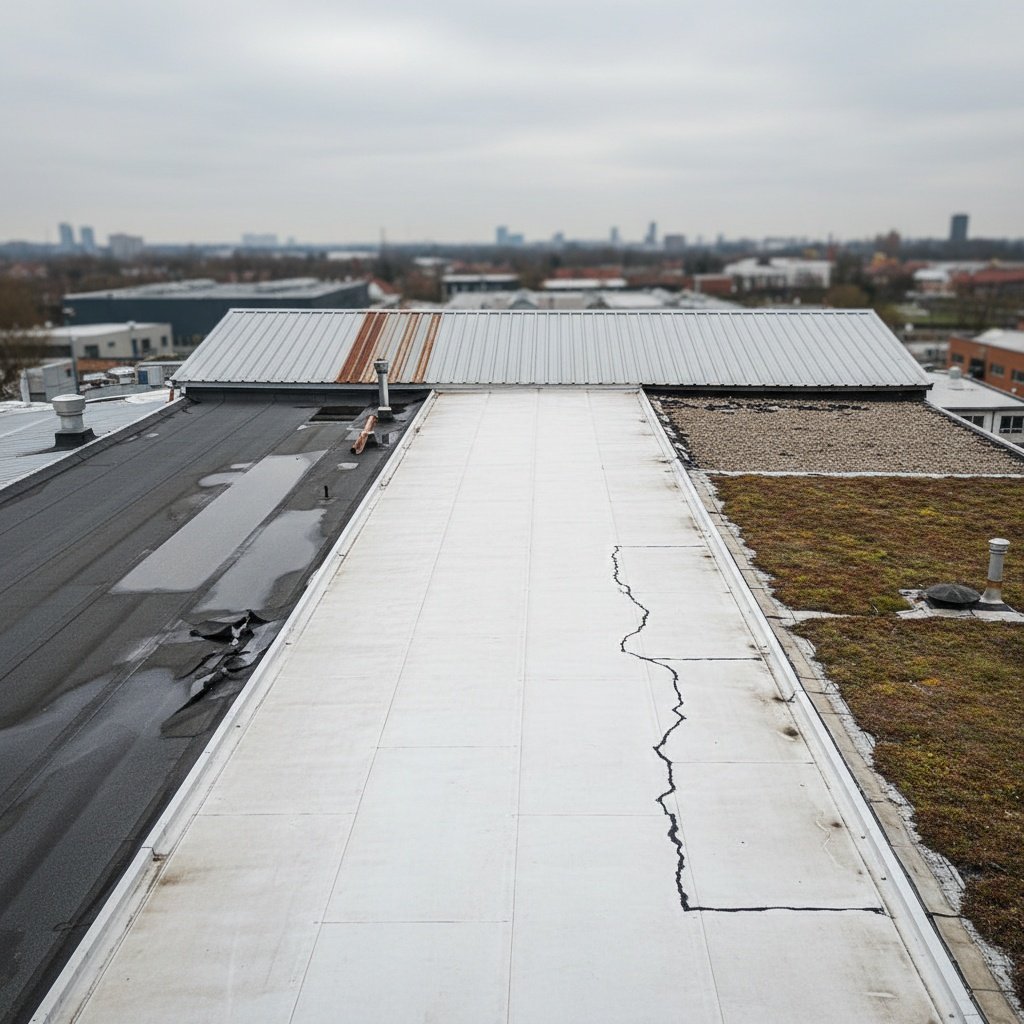
Some roof conditions cross the threshold where repairs become uneconomical or ineffective. Widespread membrane brittleness that causes cracking in multiple areas signals material failure throughout the system. When you can see daylight through the roof deck or notice sagging between structural supports, the substrate has deteriorated beyond repair.
Multiple layers of old roofing also force the replacement decision. Building codes typically limit re-roofing to one or two layers depending on jurisdiction. If previous owners layered new materials over old ones, you cannot add another repair layer and must remove everything down to the deck. This situation is common in older commercial buildings.
Persistent leaks that migrate and reappear after repeated repairs indicate systemic failure. When you cannot trace a leak to a single source or when water infiltrates through multiple pathways, the entire membrane has likely lost its waterproofing integrity. Continuing to chase leaks with patches becomes more expensive than systematic roof replacement.
Professional Inspection Reveals Hidden Damage
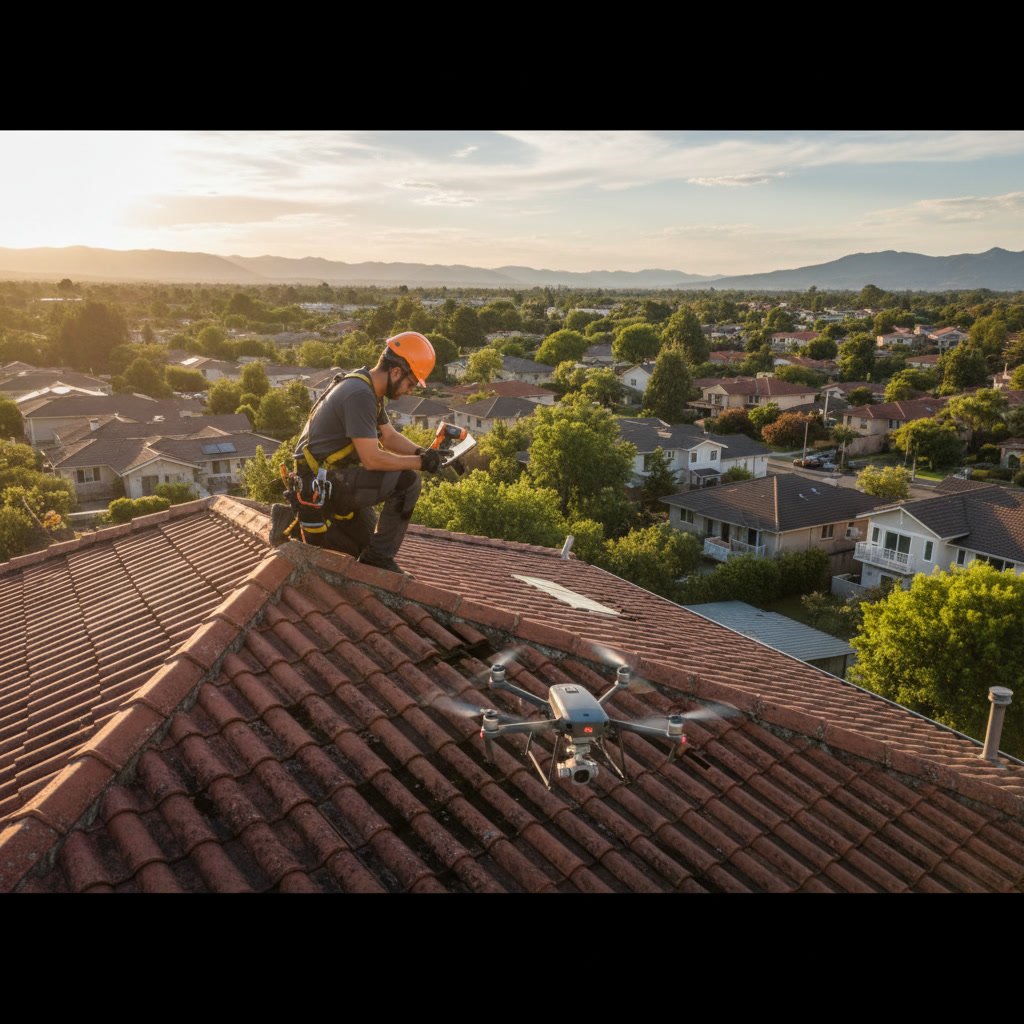
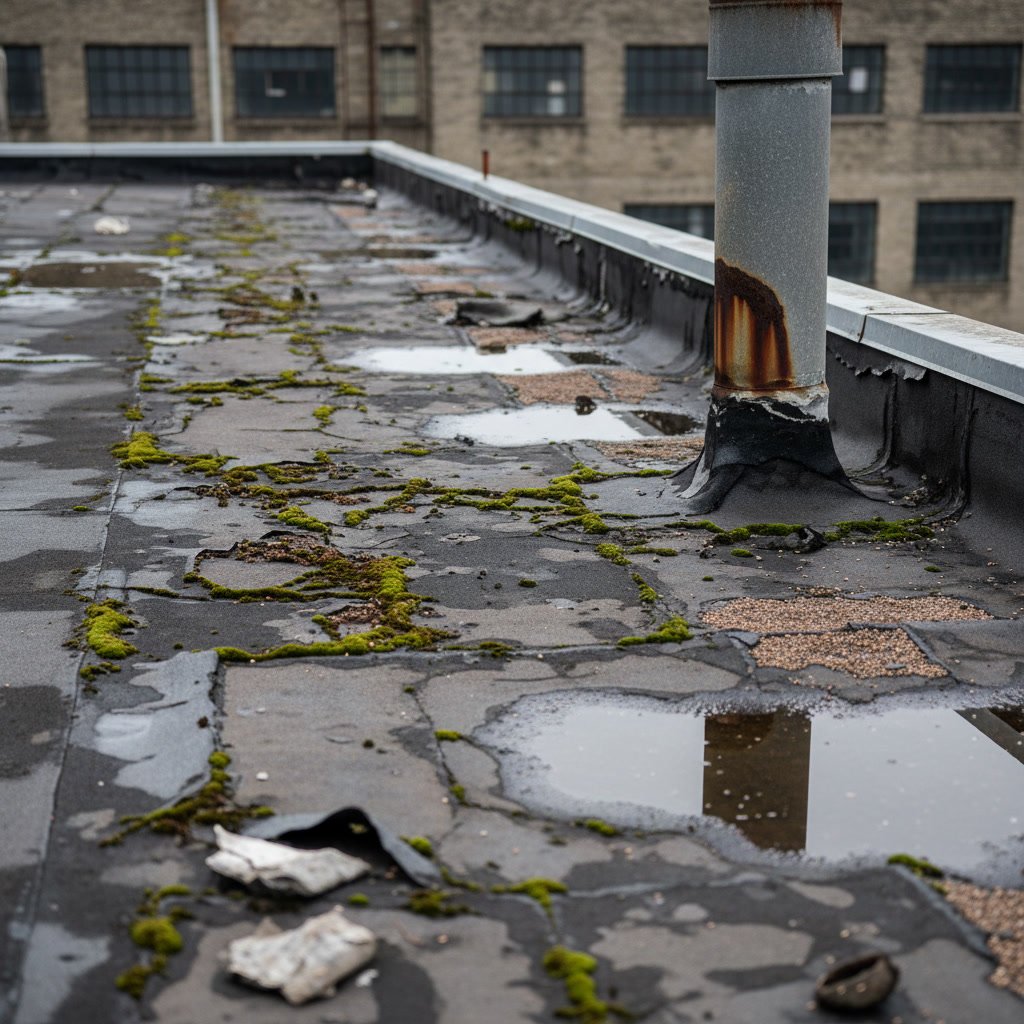
Surface-level observations tell only part of the story. A comprehensive roof inspection includes core samples to check insulation moisture content, infrared thermography to identify wet areas not visible to the eye, and structural assessment of the decking. These diagnostic tools reveal whether damage extends beyond what you can see from ground level or during a casual walk across the roof.
Professional inspectors also evaluate drainage patterns and ponding water. Standing water that remains more than 48 hours after rainfall accelerates membrane deterioration and usually indicates structural sagging or inadequate slope. This condition rarely improves with patching and often requires rebuilding the roof structure to establish proper drainage.
The 30 Percent Rule for Repair Versus Replacement in Valrico
Roofing professionals use a practical guideline: when repair costs approach 30 percent of full replacement cost, replacement delivers better value. This threshold accounts for the reality that extensive repairs on an aging roof will likely require additional work within a few years, turning one large investment into multiple smaller ones that total more than replacement would have cost.
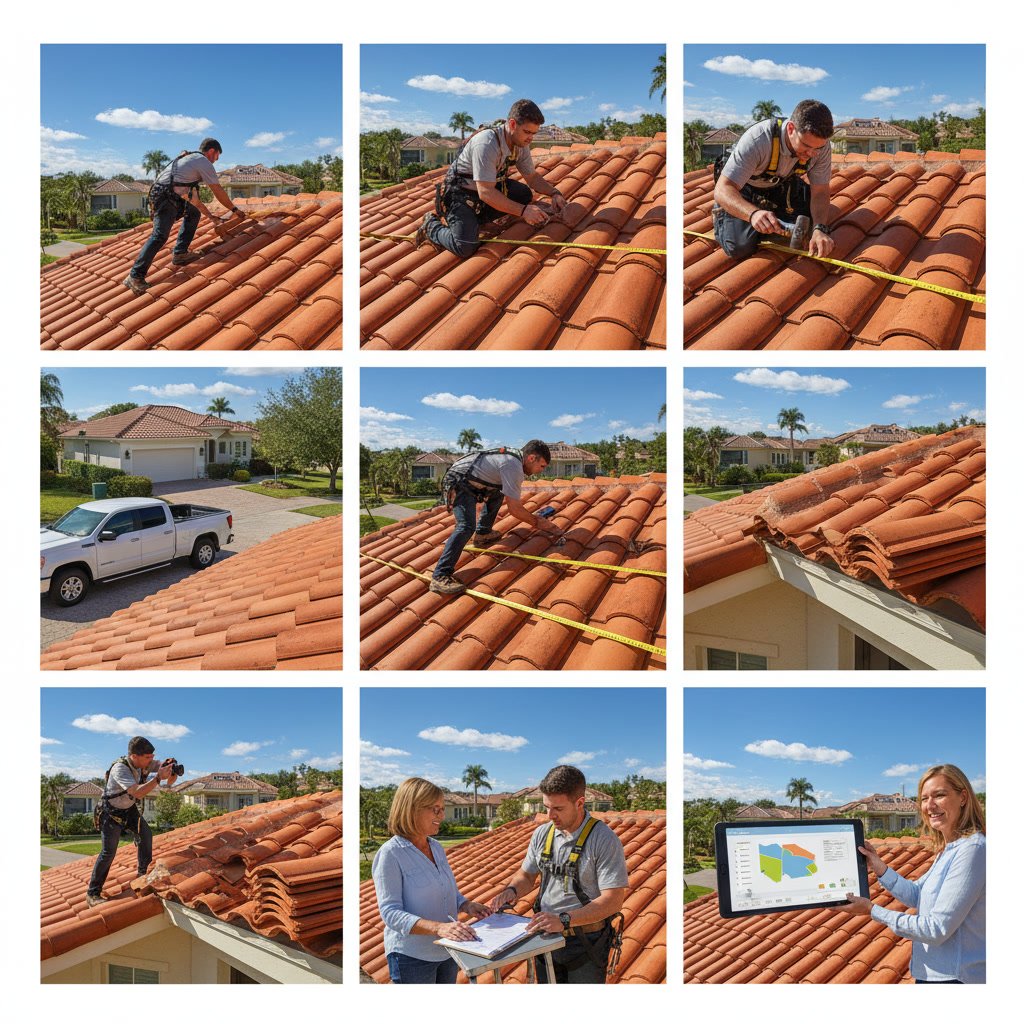
Applying this rule requires accurate estimates for both options. A detailed quote should itemize materials, labor, disposal costs for tear-off, and any necessary deck repairs or structural work. Comparing these numbers against a repair estimate that includes a realistic assessment of additional problems likely to emerge helps you make a data-driven decision rather than an emotional one.
Material-Specific Considerations for Different Commercial Roof Types
Different roofing systems have unique repair limitations. Single-ply membranes like TPO can be patched effectively when damage is limited, but seam failures across large sections indicate poor installation or material degradation that affects the entire roof. Built-up roofing with multiple felt layers can sometimes receive a new top coat, but only if the underlying layers remain sound.
Metal roofing presents different challenges. Fastener back-out and panel corrosion can sometimes be addressed with sealants and coatings, but once metal panels develop widespread rust perforation, replacement becomes necessary. Understanding these material-specific patterns helps you evaluate whether your roofing contractor’s recommendation aligns with industry standards for your roof type.
How Energy Efficiency Impacts the Decision
Modern commercial roofing materials offer significantly better energy performance than systems installed 15 or 20 years ago. Reflective white membranes, improved insulation values, and cool roof technologies can reduce air conditioning costs by 15 to 25 percent in Florida’s climate. When your aging roof needs major work, the long-term energy savings from a new system can offset much of the replacement cost over the roof’s lifespan.
This consideration becomes especially relevant for buildings with high cooling loads or those approaching other major upgrades. Coordinating roof replacement with HVAC system updates or building envelope improvements maximizes the energy efficiency gains and allows you to take advantage of available utility rebates or tax incentives for energy-efficient commercial improvements.
Insurance and Code Compliance Factors
Insurance carriers increasingly require proof of regular maintenance and timely repairs for commercial properties. A roof that has exceeded its rated lifespan may affect your coverage or increase premiums. Some policies include depreciation schedules that reduce claim payouts for older roofs, making replacement more financially attractive than continuing to insure and repair an aging system.
Building code changes also influence the decision. If your municipality has updated wind resistance requirements, energy codes, or drainage standards since your roof was installed, any major repair work might trigger a requirement to bring the entire roof up to current code. This compliance cost can push a borderline repair situation into replacement territory. For guidance on materials that meet current standards, review the best flat roofing materials for commercial buildings in our region.
Making the Right Choice for Your Building
The decision between repair and replacement ultimately depends on your specific situation: the roof’s age and condition, the extent and pattern of damage, your budget constraints, and your long-term plans for the property. A building you plan to sell within two years has different needs than one you intend to own for another decade. Similarly, a warehouse with minimal interior improvements tolerates more risk than a medical office or retail space where leaks cause immediate business disruption.
Gathering detailed information through professional inspection, obtaining itemized quotes for both options, and evaluating the true costs including energy use, insurance impacts, and business interruption risks gives you the foundation for a sound decision. The cheapest immediate option rarely proves most economical over a five or ten-year horizon. Working with experienced residential and commercial roofing specialists who can provide honest assessment rather than simply selling the highest-priced option protects your interests.
Quick Quote Roofing brings over a decade of commercial roofing experience to property owners throughout the Tampa Bay region. Our licensed team conducts thorough inspections that identify both visible damage and hidden problems, providing you with the detailed information needed to choose between repair and replacement confidently. Whether your building needs targeted fixes or complete system replacement, we deliver quality workmanship using the best materials available.
If you are evaluating your commercial roof’s condition and need expert guidance on whether repair or replacement makes the most sense for your situation, contact us at +18135647603 to schedule a comprehensive inspection and receive a detailed assessment with transparent pricing for all available options.