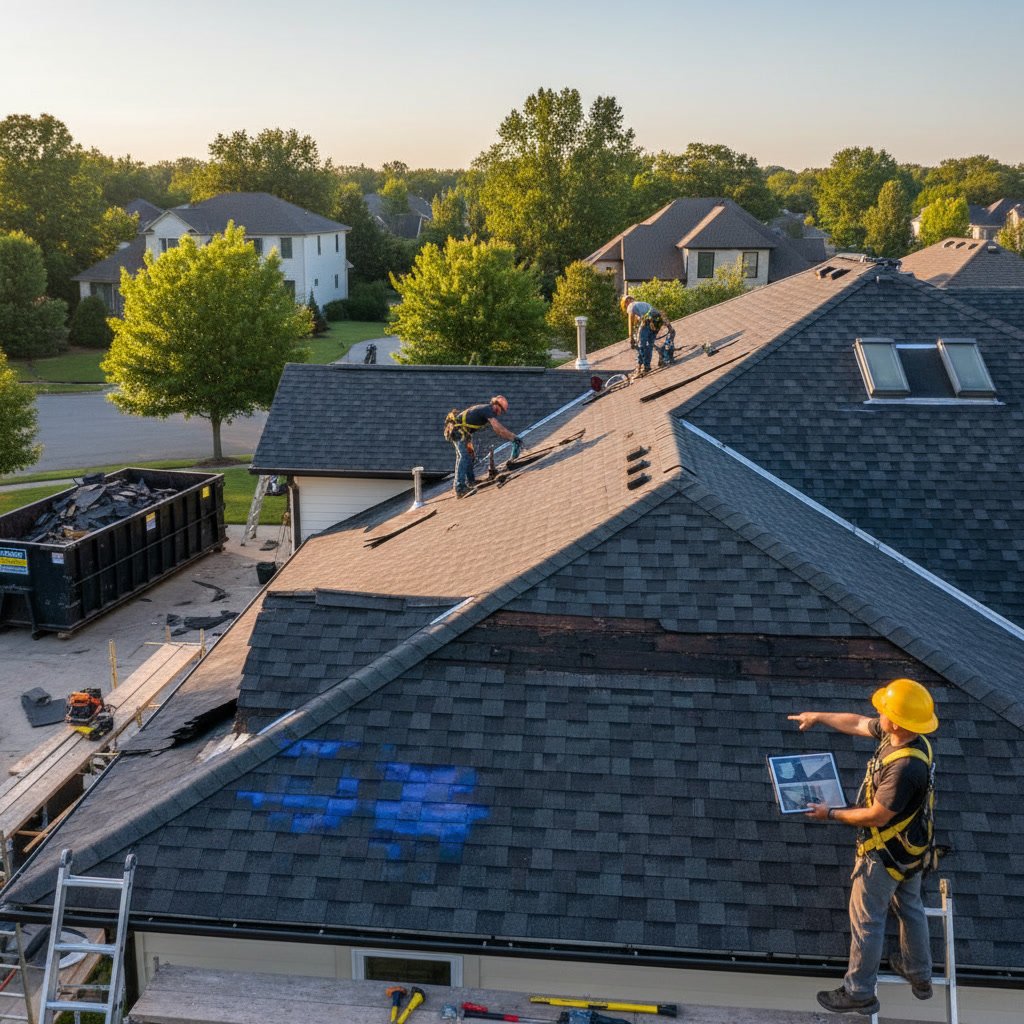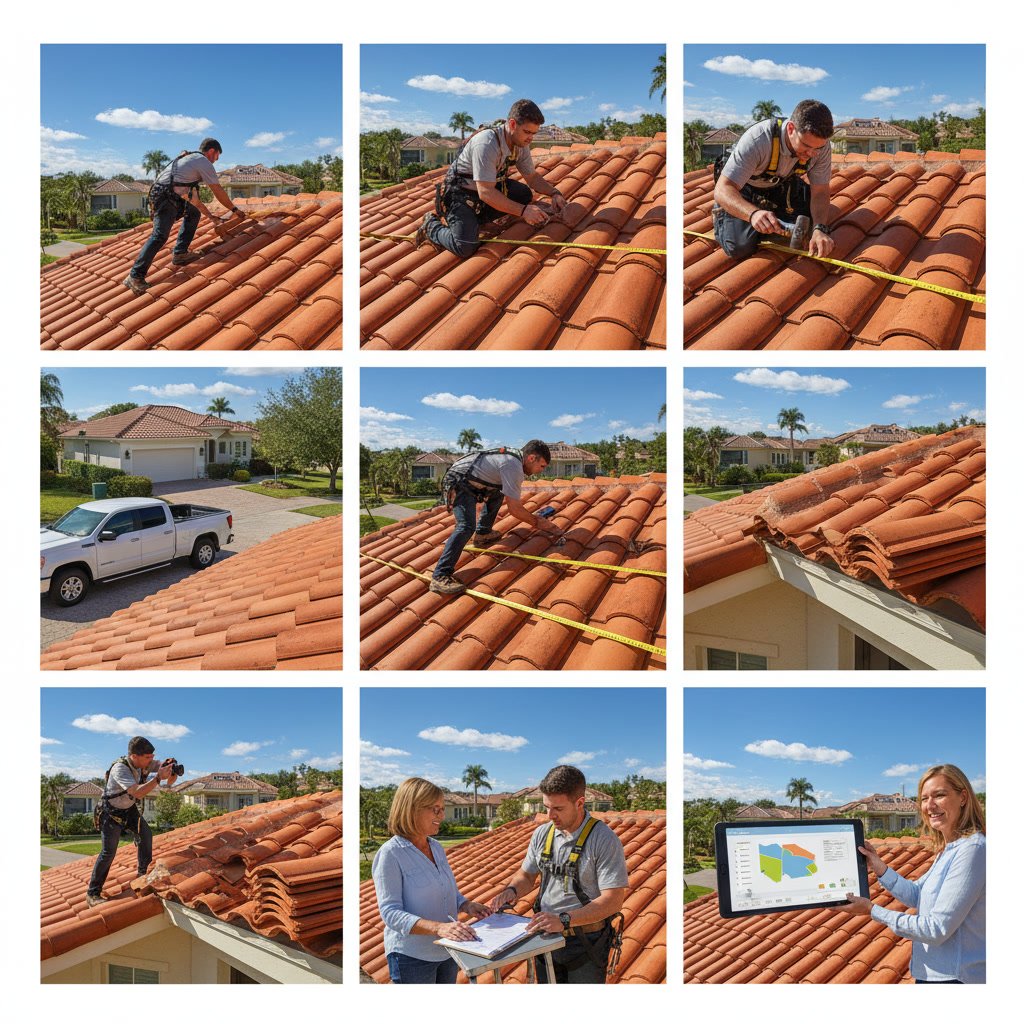
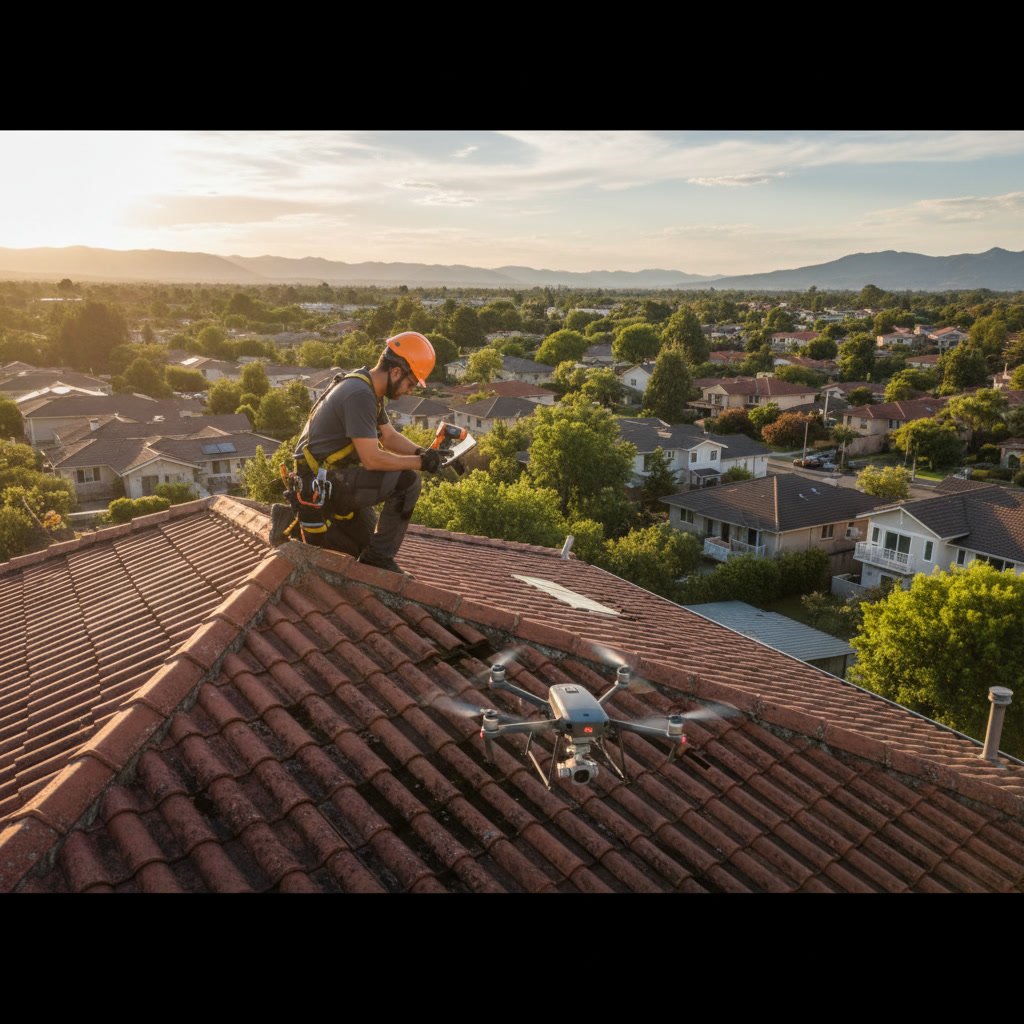
A professional roof inspection systematically evaluates your roof’s structural integrity, material condition, and vulnerable areas to identify damage before it escalates into expensive emergencies. Trained inspectors use specialized tools and techniques to detect problems invisible to the untrained eye, from hidden moisture penetration beneath shingles to failing flashing around penetrations. Early detection through regular inspections prevents catastrophic failures, extends roof lifespan by years, and saves homeowners thousands in avoidable repair costs.
Most homeowners only examine their roof after noticing interior water stains or missing shingles. By then, underlying damage has often spread far beyond the visible symptoms. The difference between a $300 repair caught early and a $15,000 emergency replacement often comes down to whether problems were identified during routine inspections.
Why Most Roof Problems Start Small and Hidden
Roof deterioration rarely announces itself with dramatic failures. The process begins at microscopic levels: UV radiation breaks down asphalt shingle granules, temperature cycles cause expansion and contraction that loosens fasteners, and minor imperfections in sealant allow moisture entry points smaller than a pinhead.
These initial defects remain invisible from ground level for months or years while damage compounds beneath the surface. A single displaced shingle might allow water to saturate the underlayment during one storm, freeze during cold snaps, then thaw and migrate further into the decking. By the time you notice a ceiling stain, the affected decking area may span several square feet.
Thermal imaging studies show that moisture intrusion often spreads laterally across roof planes, following the path of least resistance between layers. What appears as a single leak location inside your home might originate from a compromised area 10 or 15 feet away on the exterior surface.
The Systematic Approach Inspectors Use in Valrico
Qualified roof inspections follow a structured methodology that examines every critical system. Inspectors begin at roof edges and valleys, where water concentration makes these areas particularly vulnerable. They check drip edges for proper installation, examine gutter attachments, and verify that flashing extends correctly beneath shingles.
Next comes a detailed surface examination. Inspectors walk accessible roof areas, noting granule loss patterns, checking for lifted or curled shingles, and testing seal integrity on tabs. They document any biological growth like moss or algae that might indicate moisture retention issues.

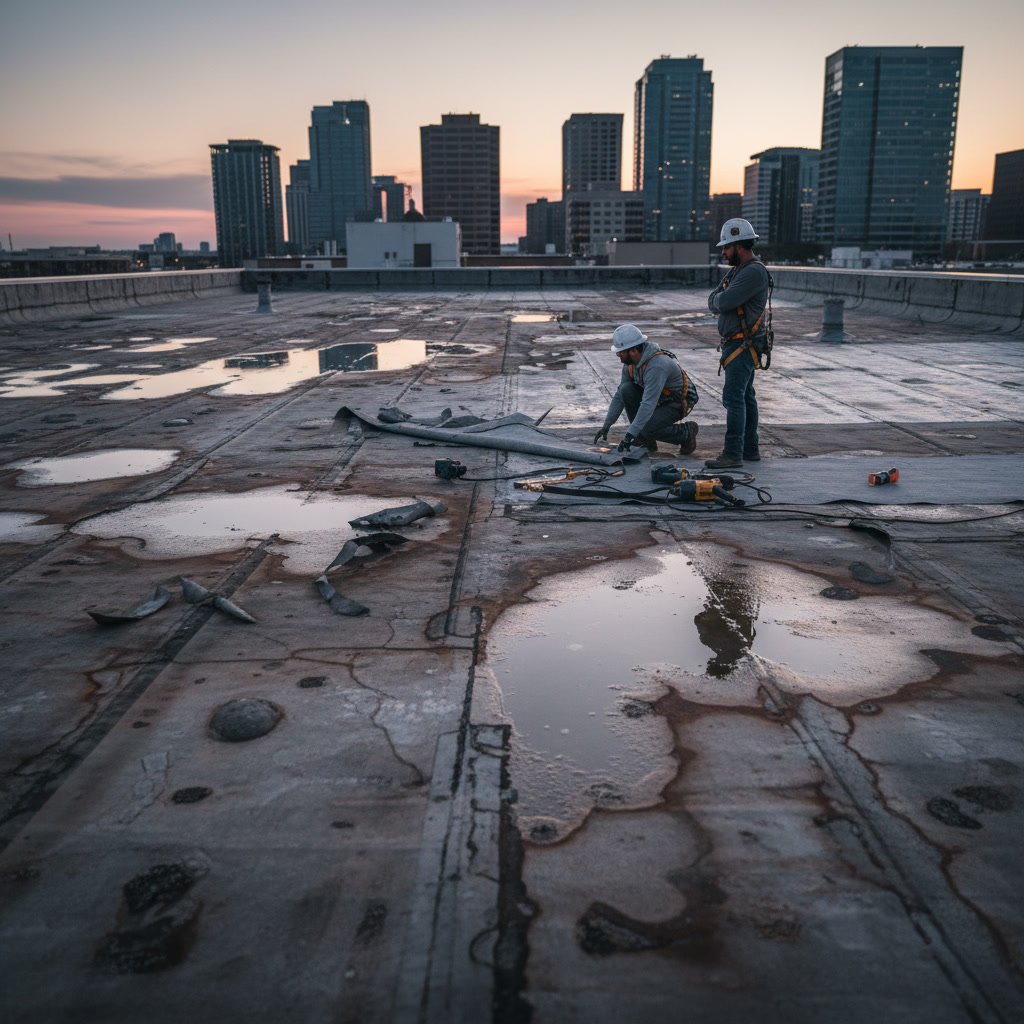
Penetration points receive particular attention. Every vent pipe, chimney, skylight, and antenna mounting creates a potential water entry point. Inspectors verify that boots remain flexible, caulking stays intact, and counterflashing seats properly against vertical surfaces. For flat roofing systems, they check membrane seams, drain screens, and ponding water areas.
Interior attic inspections complete the assessment. Inspectors look for water stains on decking, check ventilation adequacy, verify insulation placement, and examine rafters for sagging or structural concerns. Proper attic ventilation directly impacts roof longevity, and inadequate airflow often goes unnoticed until it causes premature material failure.
Thermal Imaging Reveals What Eyes Cannot See
Modern inspection technology has transformed defect detection capabilities. Infrared cameras detect temperature differentials across roof surfaces that indicate hidden moisture. Wet insulation or saturated decking appears cooler than surrounding dry materials because water retains heat differently than building materials.
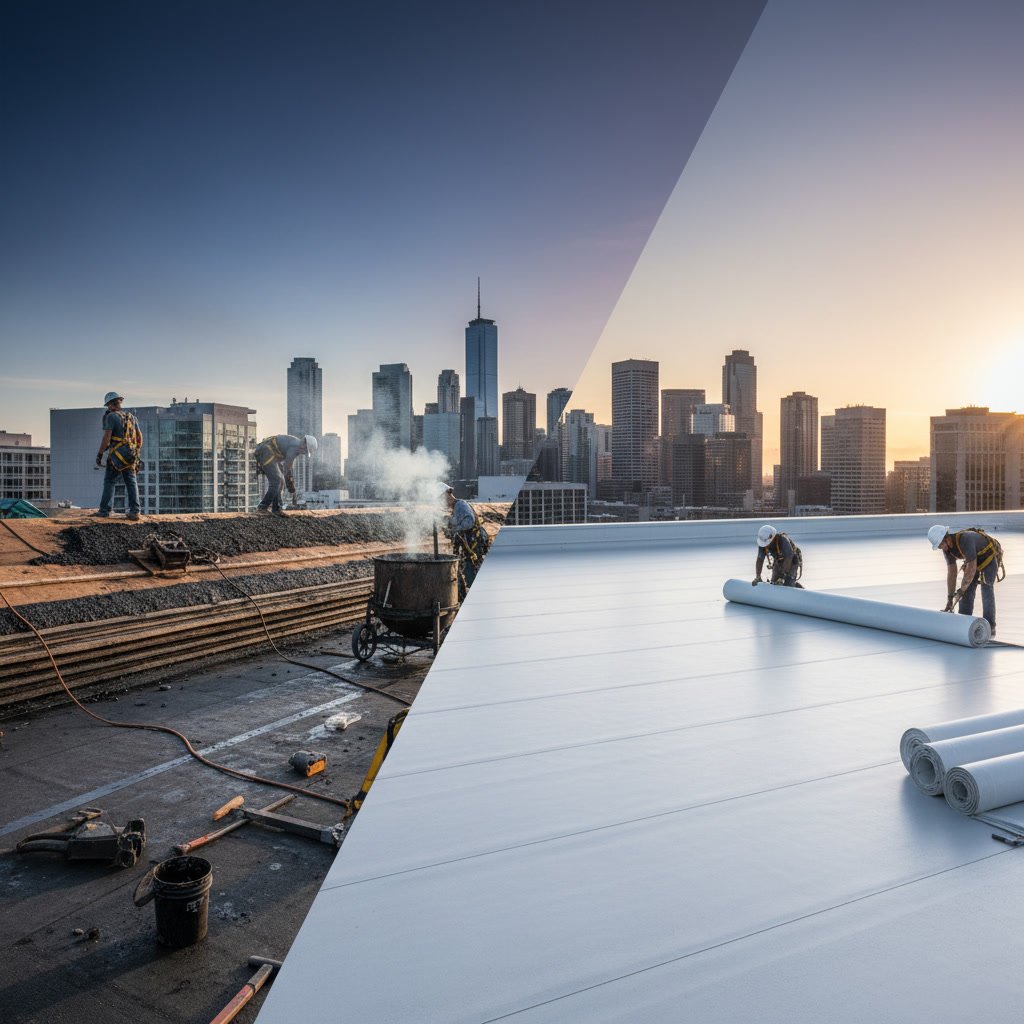
This technology proves especially valuable for tile roofing systems, where the waterproof barrier sits beneath visible tiles. An inspector can identify failing underlayment without removing tiles, pinpointing exactly which sections need attention. The same principle applies to multilayer built-up roofing on commercial buildings.
Moisture meters provide quantitative data about water content in roofing materials. By taking readings across different roof sections, inspectors map moisture distribution patterns and identify problem origins even when no visible damage exists yet.
Common Problems Caught During Routine Inspections
Certain defects appear with predictable frequency during inspections. Sealant deterioration around flashing ranks among the most common findings. Caulks and mastics have finite lifespans, typically five to eight years depending on sun exposure and product quality. Once these sealants crack or separate, water finds easy entry during every rain.
Fastener issues represent another frequent discovery. Wind uplift and thermal cycling gradually work nails loose over time. Shingles that appear intact from below might have completely unsealed tabs with exposed nail heads channeling water directly to the underlayment.
Granule loss accelerates as asphalt shingles age. Inspectors assess loss patterns to estimate remaining service life. Uniform granule loss across the entire roof suggests normal aging, while concentrated loss in specific areas might indicate defective materials or installation problems that warrant warranty claims.
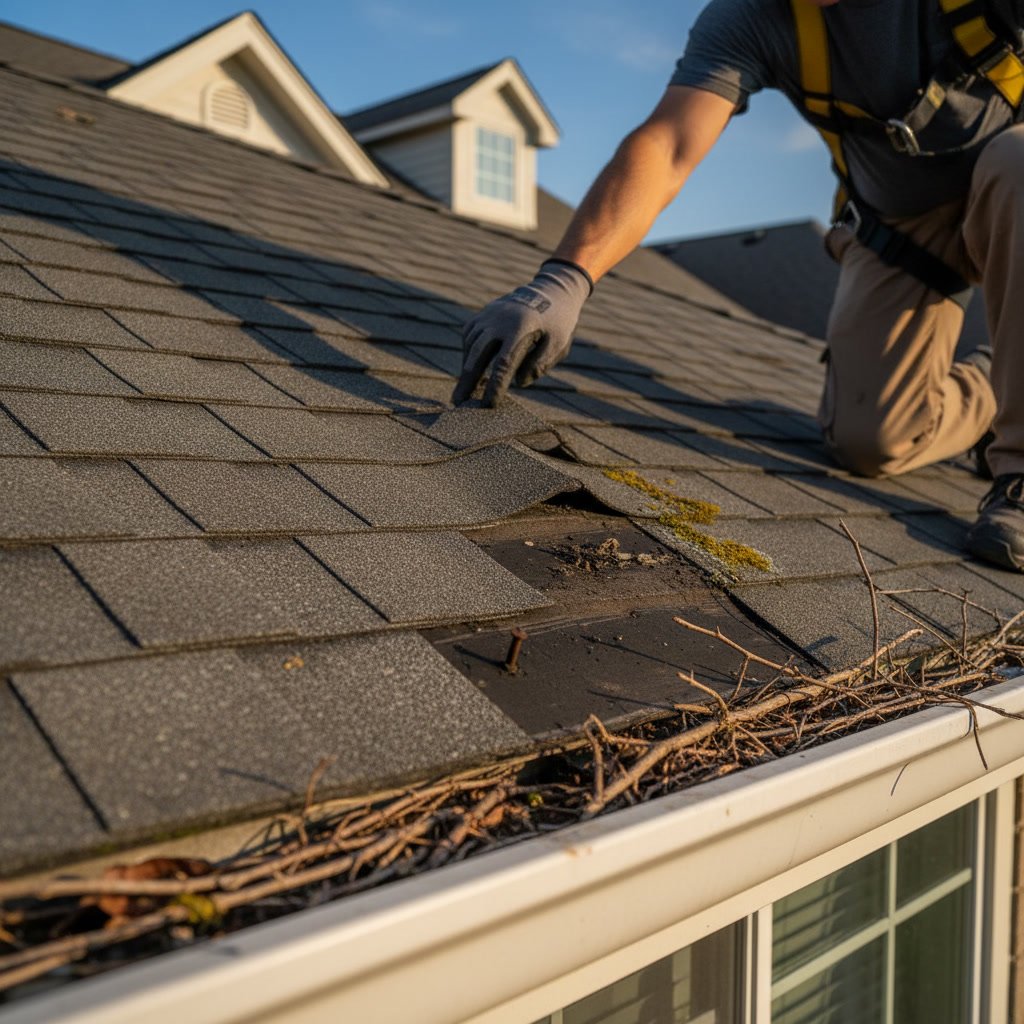
Ventilation deficiencies cause surprisingly widespread damage. Insufficient attic airflow traps heat and moisture, cooking shingles from beneath and promoting rot in wooden decking. Inspectors calculate ventilation ratios and recommend corrections before heat damage shortens roof lifespan by years. Understanding installation techniques for high wind zones becomes especially important in Florida’s climate.
The Financial Logic of Preventive Detection
The cost difference between proactive repairs and emergency interventions typically runs 5 to 10 times higher for emergency scenarios. Replacing 12 damaged shingles and resealing flashing might cost $400. Waiting until that small problem allows water to rot decking and damage interior ceilings transforms the project into a multi-thousand-dollar ordeal involving structural repairs, insulation replacement, and interior restoration.
Insurance considerations add another financial dimension. Many policies require documented maintenance records to honor claims fully. Regular inspection reports demonstrate responsible ownership and can strengthen your position if storm damage occurs. Some insurers even offer premium discounts for homes with documented inspection schedules.
Property value protection matters too. Real estate transactions increasingly include roof condition assessments. Homes with documented inspection histories and proactive maintenance command higher prices and sell faster than comparable properties with unknown roof conditions.
How Often Should Inspections Occur
Most roofing professionals recommend biannual inspections, ideally in spring and fall. Spring inspections assess winter damage before summer storm season begins. Fall inspections ensure your roof enters winter in sound condition and identify any repairs needed before holiday schedules and weather complicate scheduling.
Certain circumstances warrant more frequent examination. After severe weather events like hurricanes or hailstorms, immediate inspection identifies damage while memory remains fresh and insurance claim windows stay open. Homes with mature trees overhanging the roof benefit from quarterly checks, since falling branches and accumulated organic debris accelerate deterioration.
Older roofs nearing their expected lifespan deserve closer monitoring. If your roof approaches 15 to 20 years of age, annual inspections help you plan replacement timing strategically rather than facing an emergency situation during the worst possible moment.
Warning Signs Between Professional Examinations
While scheduled inspections provide comprehensive assessment, homeowners should watch for interim warning signals. Granules accumulating in gutters indicate accelerated shingle deterioration. Sunlight visible through attic boards during daytime suggests gaps in the roof deck that allow both light and water penetration.
Interior ceiling stains obviously warrant immediate attention, but many homeowners don’t realize that stains appearing during or shortly after rain indicate active leaks requiring urgent response. Stains that appear days after weather events might indicate condensation issues rather than roof leaks, requiring different solutions. If you notice active leaking, knowing what to do before the contractor arrives can minimize damage.
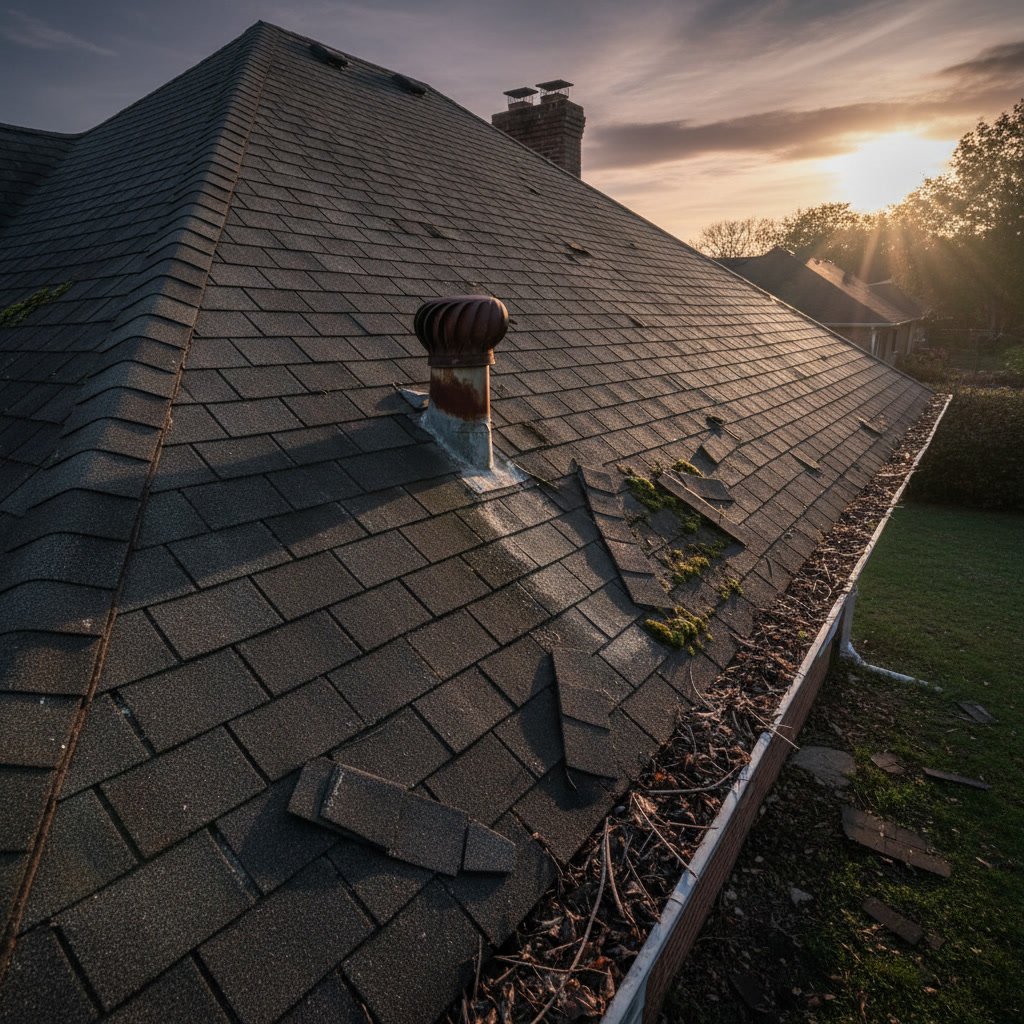
Higher energy bills sometimes signal roof problems. Compromised insulation from water damage or inadequate ventilation forces HVAC systems to work harder. If your cooling costs spike without explanation, roof condition might be the culprit.
What Happens After Problems Are Identified
Quality inspectors provide detailed written reports documenting findings with photographs and specific location descriptions. Reports should prioritize issues by urgency: immediate safety hazards, problems requiring attention within months, and items to monitor over time.
This documentation guides repair planning and budgeting. You gain clear understanding of which issues demand immediate action versus which can wait for your next planned maintenance cycle. Transparency about problem severity helps you make informed decisions rather than facing pressure to authorize unnecessary work.
For significant defects, inspectors often recommend consulting with specialists. Structural concerns might warrant an engineer’s evaluation. Extensive damage across large areas might justify comparing roof replacement costs against continued repairs to determine the most economical long-term approach.
Inspection Value for Different Roofing Types
Various roofing materials benefit from inspection emphasis on different vulnerabilities. Asphalt shingle roofs require attention to granule retention, tab seal integrity, and valley conditions. Metal roofing inspections focus on fastener backing out, panel overlap security, and coating condition on painted surfaces.
Tile roofs present unique challenges since the visible tiles themselves often outlast the waterproof membranes beneath them. Inspectors look for cracked or displaced tiles that might allow water to reach vulnerable underlayment, and they assess whether membrane replacement timing approaches even when tiles remain serviceable.
For residential and commercial flat or low-slope roofs, ponding water evaluation takes priority. Areas where water stands for more than 48 hours after rain will develop membrane problems eventually. Inspectors identify drainage improvements needed to eliminate standing water and extend membrane service life.
The Certification and Training Difference
Not all roof inspections provide equal value. Inspectors with manufacturer certifications understand specific product vulnerabilities and warranty requirements. They recognize when installation defects void warranties versus when material failures qualify for claims.
Professional certifications from organizations like the National Roofing Contractors Association or state licensing boards indicate commitment to ongoing education and industry standards. Florida requires specific licensing for roofing contractors, and working with properly licensed professionals protects you legally and ensures qualified assessment.
Experience with local conditions matters significantly. Inspectors familiar with Florida’s intense UV exposure, high humidity, and storm patterns recognize region-specific deterioration patterns that inspectors from other climates might miss. They understand how salt air affects coastal properties differently than inland homes.
Protecting Your Investment Through Regular Assessment
Your roof represents one of your home’s largest individual components, typically accounting for five to ten percent of total property value. Regular inspections protect this substantial investment through early problem detection and strategic maintenance timing.
Beyond financial considerations, roof integrity directly impacts your family’s safety and comfort. Water intrusion damages more than ceilings and insulation. It promotes mold growth that affects indoor air quality, rots structural framing that compromises building stability, and damages possessions stored in affected areas.
Documentation from regular inspections also streamlines future work. When replacement eventually becomes necessary, historical records help contractors understand your roof’s specific history and any recurring problem areas that might require special attention during new installation.
Quick Quote Roofing serves homeowners throughout the Brandon area with comprehensive inspection services that identify problems before they escalate into emergencies. Our licensed professionals use advanced detection methods and provide detailed reporting that helps you make informed decisions about your roof’s care. Whether you need a routine assessment or suspect existing problems, we deliver the expertise necessary to protect your investment and your peace of mind. Contact us at +18135647603 to schedule your inspection.