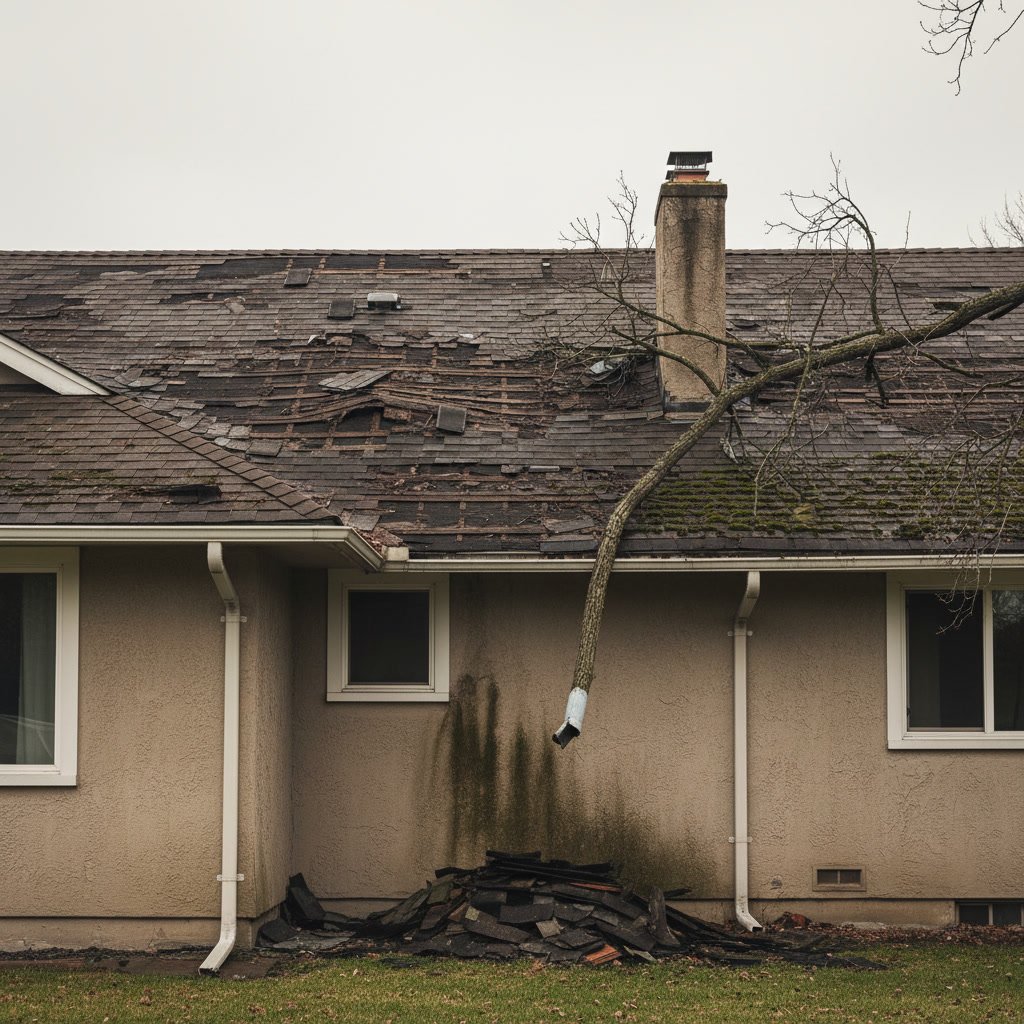
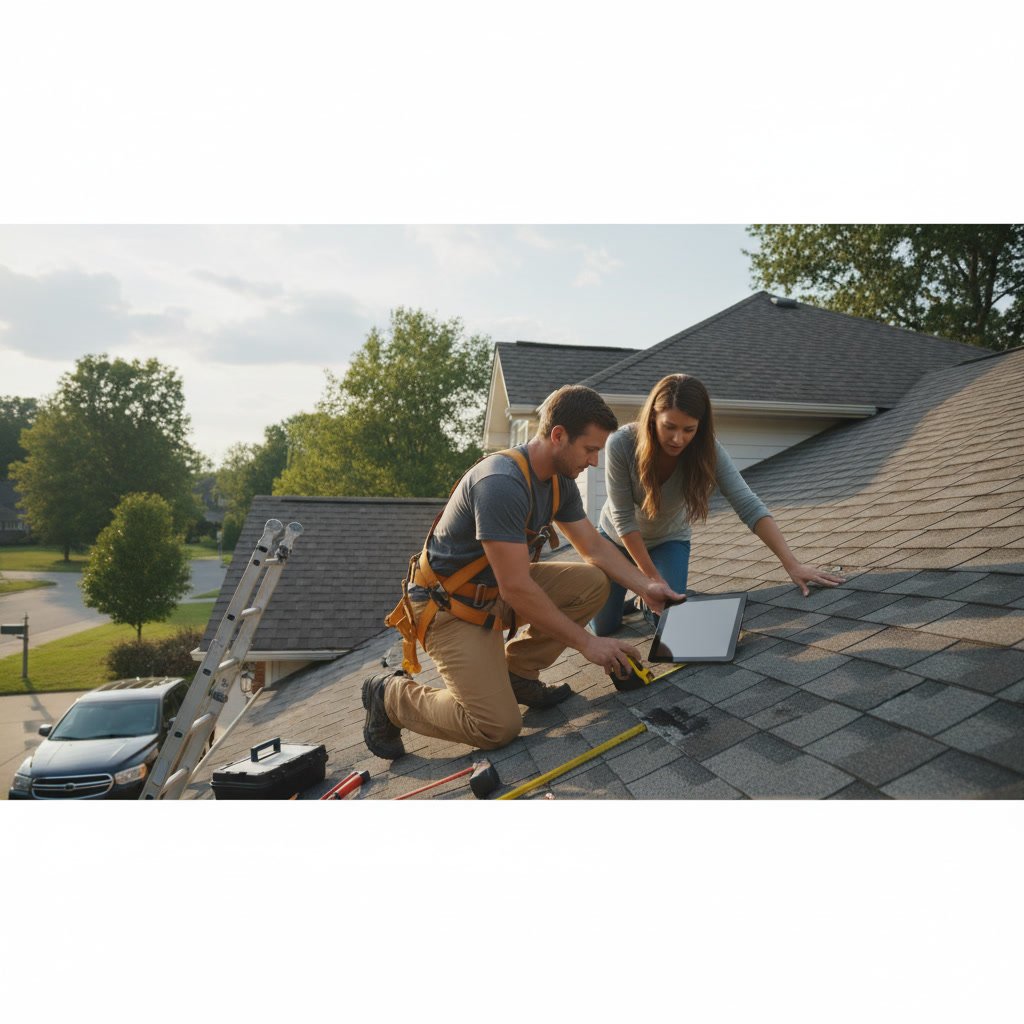
A roofing contractor estimate typically involves a detailed inspection of your roof’s condition, measurements of the roof area, assessment of materials needed, and a written quote for labor and supplies. The contractor examines all components including shingles, flashing, gutters, underlayment, and structural elements to identify damage or wear. Most estimates are provided free of charge and completed within 30 to 60 minutes, depending on roof size and complexity.
Understanding what happens during this process helps you prepare better questions, recognize what a thorough inspection looks like, and spot contractors who cut corners. The difference between a quick glance and a comprehensive evaluation can mean thousands of dollars in unexpected costs down the road.
Why Professional Roof Assessments Matter
Your roof protects everything inside your home, yet most homeowners only think about it when something goes wrong. A professional assessment does more than identify visible damage. It reveals hidden problems like moisture intrusion, inadequate ventilation, or improper installation that could lead to costly repairs if left unchecked.
Licensed contractors bring specialized knowledge about local building codes, climate-specific challenges, and material performance. They know how Florida’s intense sun, heavy rains, and occasional hurricanes affect different roofing systems. This expertise makes their estimates far more reliable than quick visual checks or online calculators.
Preparing Your Property Before the Estimate
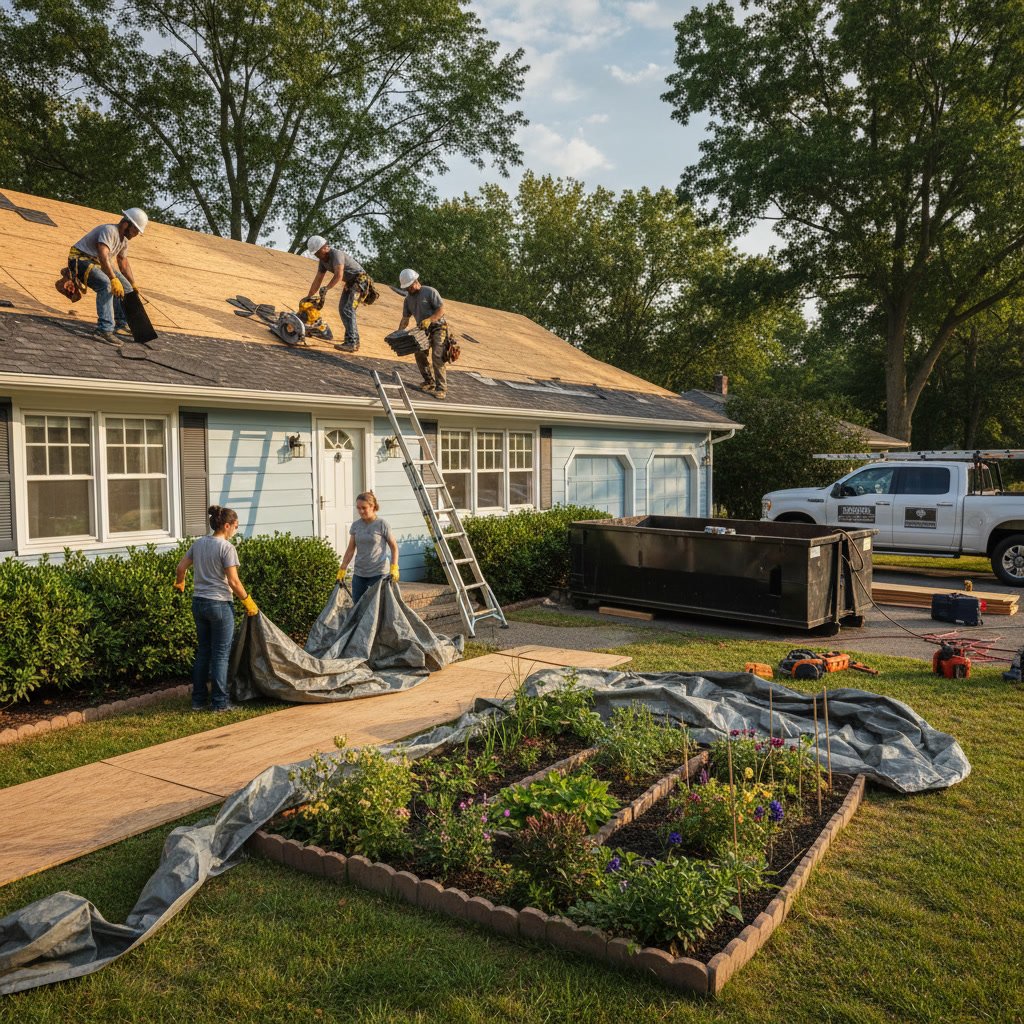
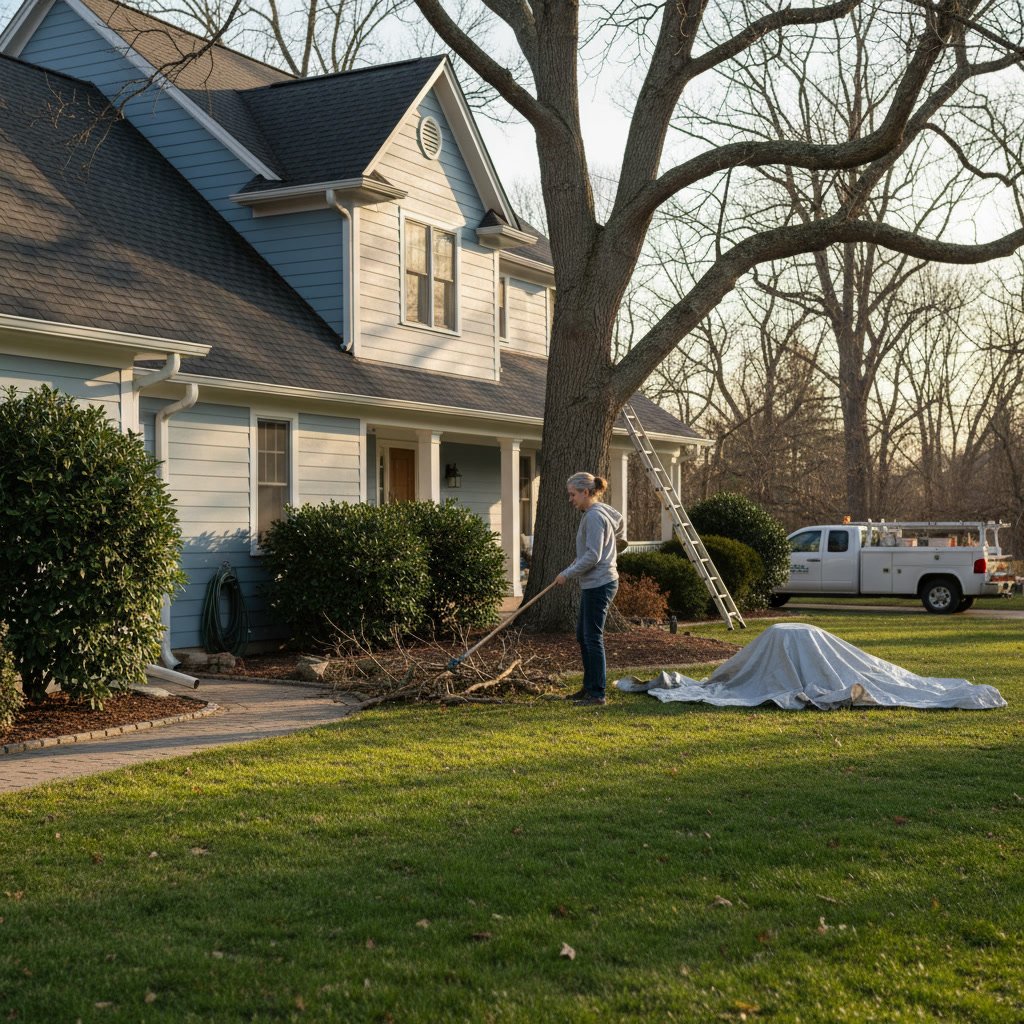
Before the contractor arrives, clear any obstacles blocking roof access. Move vehicles away from the driveway and garage, trim tree branches that hang over the roof, and ensure your attic is accessible if interior inspection is needed. These simple steps let the inspector work efficiently and safely.
Gather any previous inspection reports, warranty documents, or repair records you have. This history helps the contractor understand past issues and whether problems are recurring. If you’ve noticed specific concerns like water stains or active leaks, note their locations so you can point them out during the walk-through.
The Initial Visual Inspection From Ground Level
Most contractors start by walking around your property, examining the roof from multiple angles at ground level. They look for obvious signs like missing shingles, sagging areas, damaged flashing around chimneys and vents, or debris accumulation in valleys. This preliminary check takes about five to ten minutes and helps them plan the roof-level inspection.
During this phase, they also assess how to safely access your roof. They note the pitch or slope, identify potential hazards, and determine what equipment they’ll need. Steep roofs require additional safety gear and may take longer to inspect thoroughly.
The Detailed Roof Surface Examination
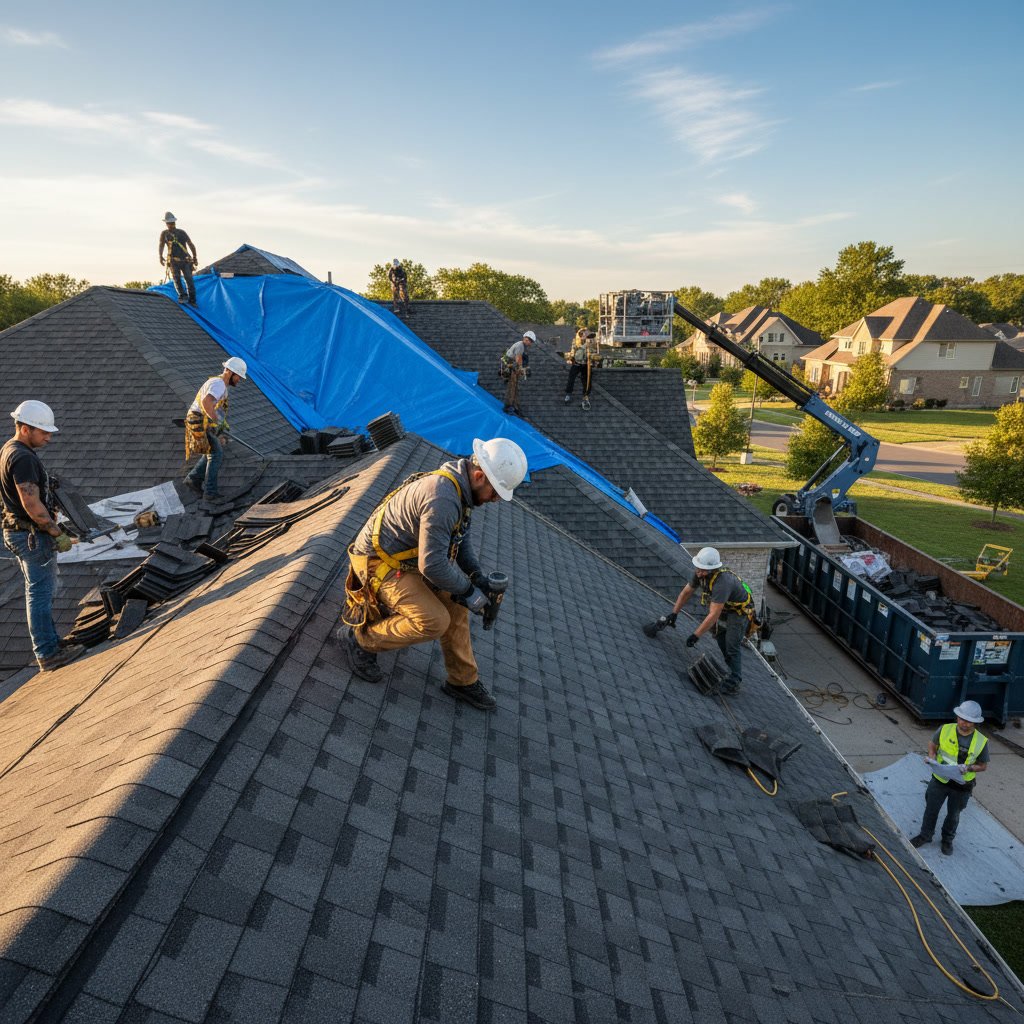
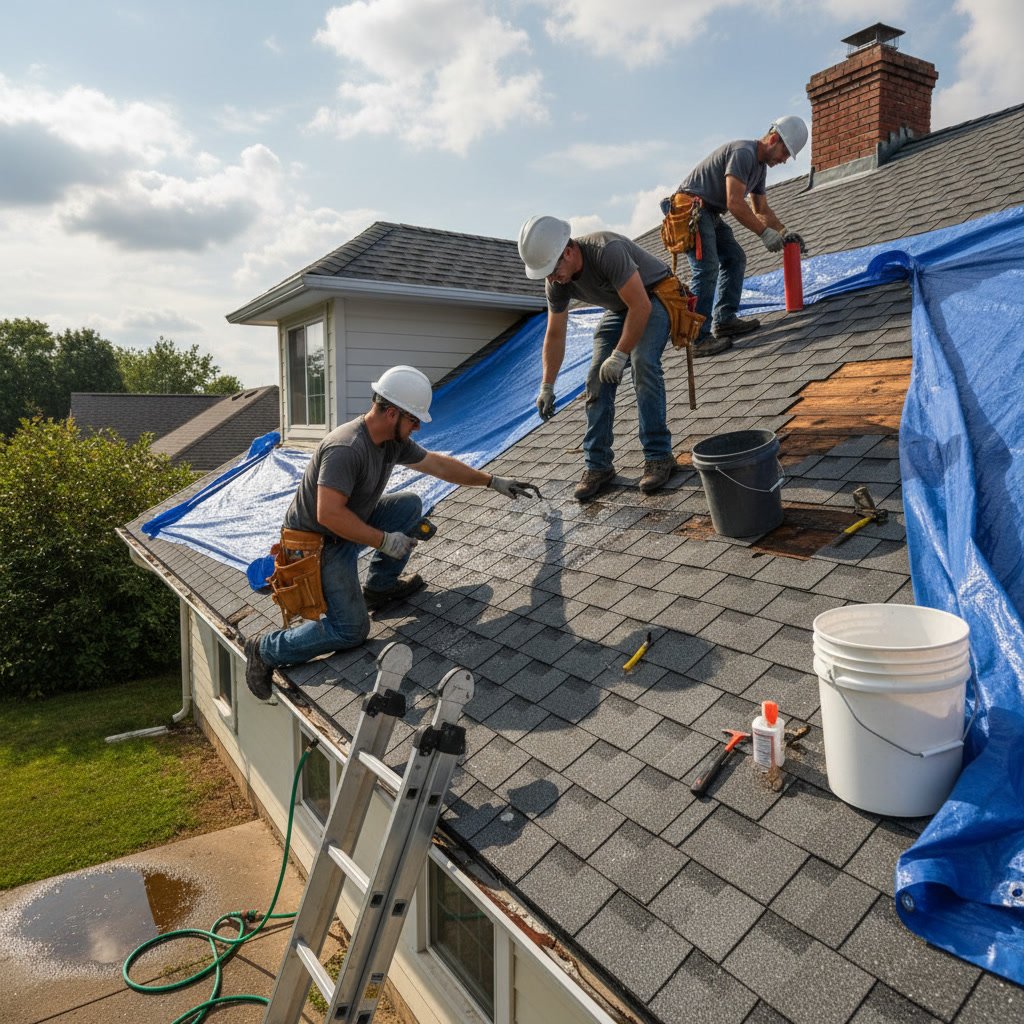
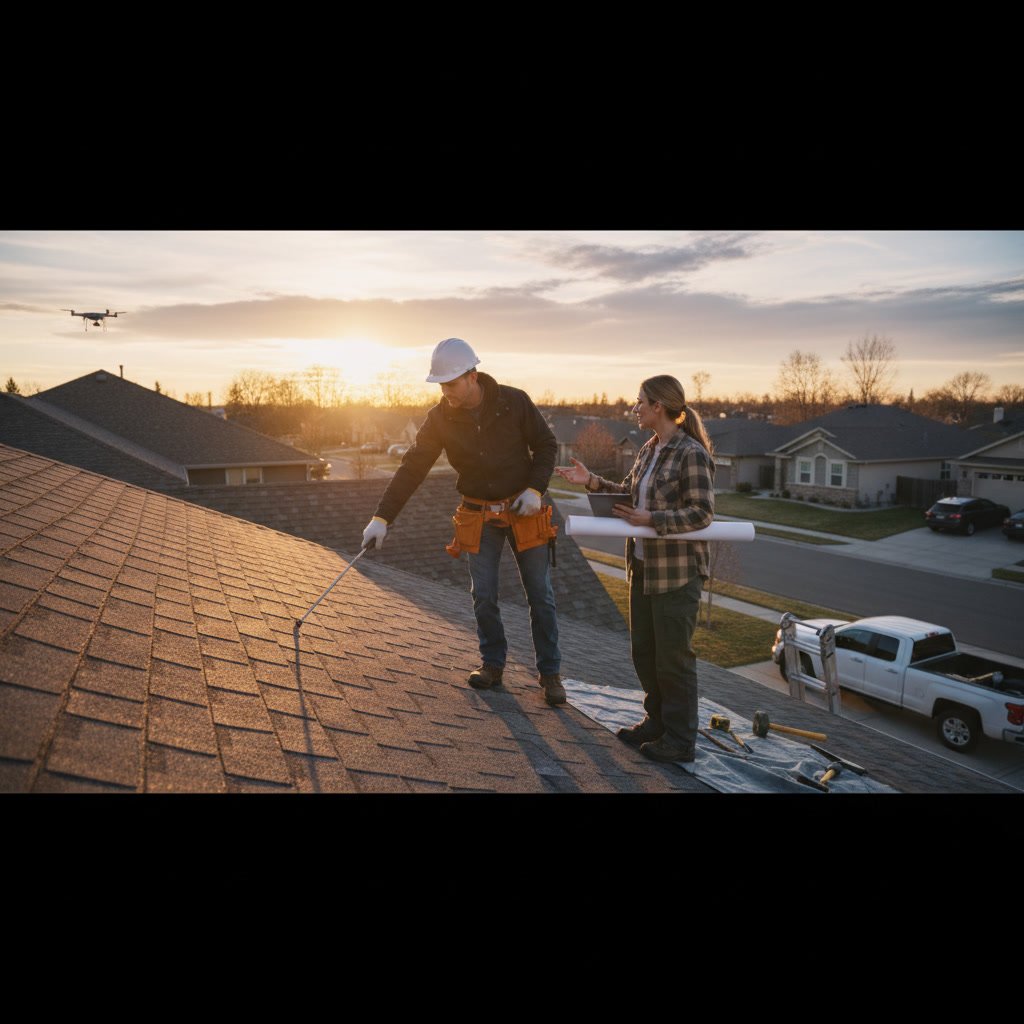
Once on the roof, the contractor examines every section systematically. They check shingle condition, looking for curling, cracking, granule loss, or bruising from hail. They test the integrity of flashing around penetrations like pipes, skylights, and chimneys, since these are common leak points.
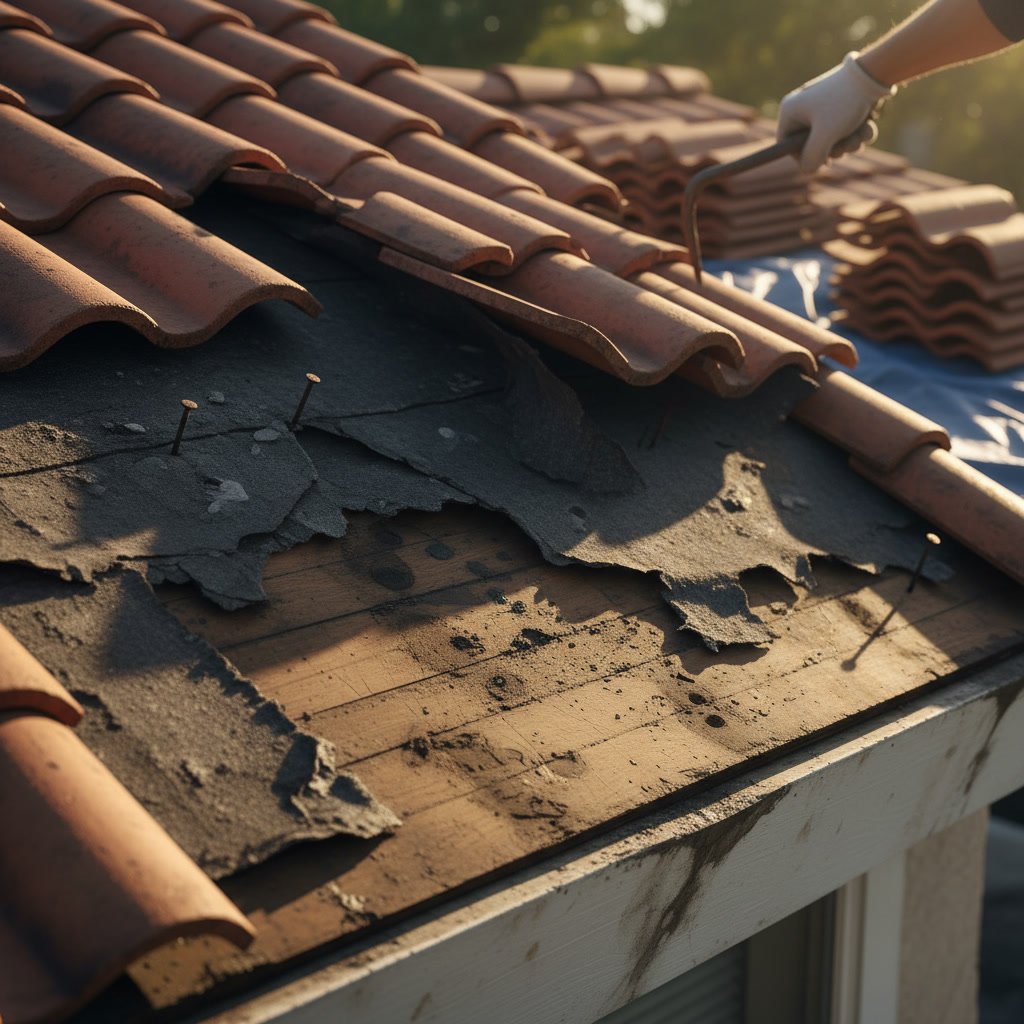
They also inspect the condition of roof valleys where two planes meet. Water flows heavily through these channels, making them vulnerable to wear. On tile or metal roofs, they check for broken tiles, loose fasteners, or corrosion. For flat or low-slope commercial roofs, they look for ponding water, membrane damage, or separation at seams.
An experienced inspector pays attention to less obvious details too. They check the condition of drip edges, examine soffit and fascia boards for rot, and look for proper ventilation. Inadequate attic ventilation causes heat and moisture buildup that can shorten your roof’s lifespan by years, even if the surface materials look fine.
Measuring and Documentation Process
Accurate measurements are essential for a reliable estimate. Contractors measure roof area in squares, with one square equaling 100 square feet. They account for roof pitch, which affects both material quantities and labor costs. Steeper roofs require more materials due to overlap and waste, plus they’re more dangerous and time-consuming to work on.
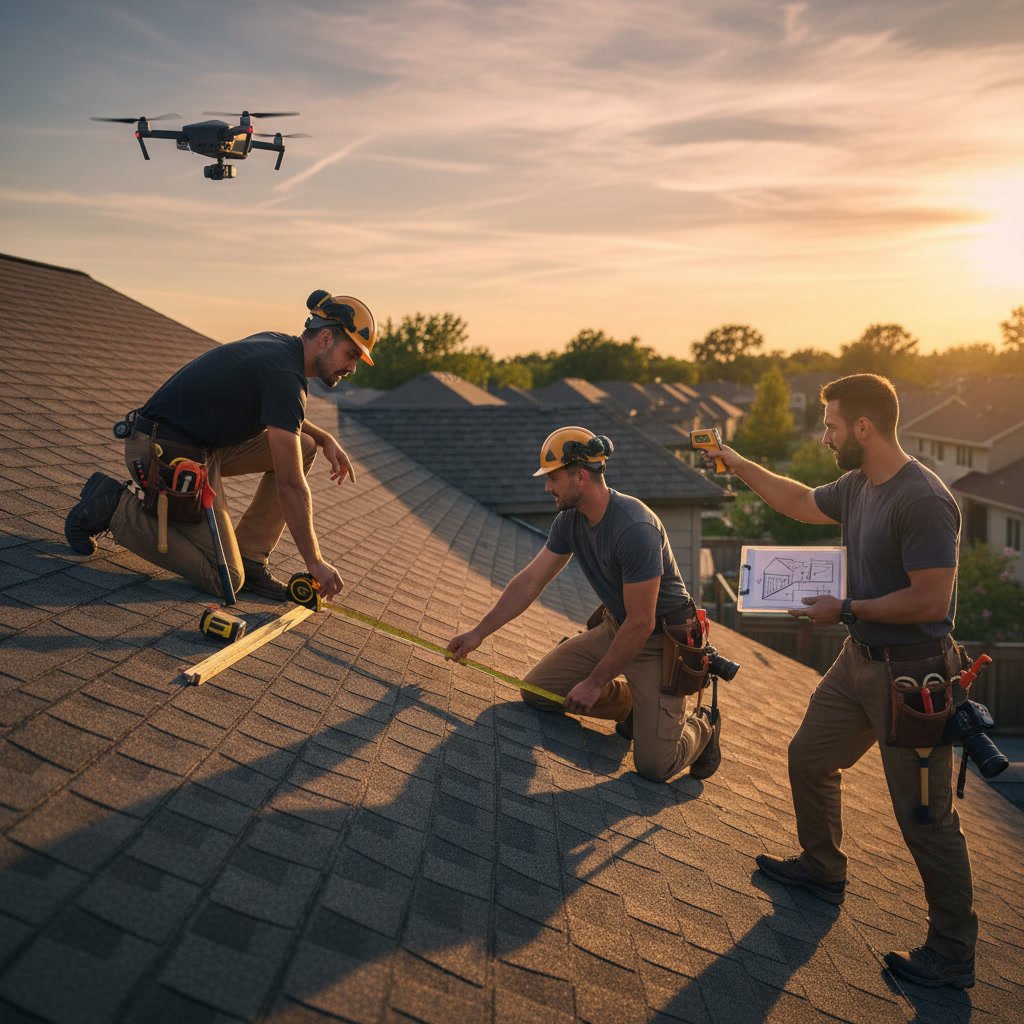
Most professionals take photos or videos documenting problem areas. This visual evidence helps you understand why certain repairs are necessary and provides a record for insurance claims if needed. Quality contractors will share these images with you during the estimate review.
Interior and Attic Inspection in Valrico Homes
A complete assessment includes checking your attic or crawl space if accessible. From inside, the contractor looks for water stains on decking, mold growth, damaged insulation, or daylight showing through the roof boards. These interior signs often reveal problems not visible from the surface.
They also verify that your attic has adequate ventilation through ridge vents, soffit vents, or gable vents. In Valrico’s hot climate, proper airflow prevents heat buildup that can warp shingles and decking. Many homeowners don’t realize their ventilation is insufficient until an inspector points it out during an estimate.
Understanding the Written Estimate Breakdown
After the inspection, the contractor prepares a detailed written estimate. This document should itemize all costs separately: materials, labor, permits, disposal fees, and any additional work like deck repair or structural reinforcement. Vague lump-sum quotes make it impossible to compare contractors fairly or understand what you’re paying for.
The estimate should specify material brands, types, and warranties. For example, architectural shingles from different manufacturers carry different warranty periods and wind ratings. Knowing exactly what products will be installed lets you verify you’re getting quality materials, not the cheapest available options.
Timeline estimates matter too. The quote should indicate how long the project will take, weather permitting. A complete roof replacement on an average home typically takes two to four days, while repairs might only need a few hours.
Questions to Ask During Your Estimate
Don’t hesitate to ask about the contractor’s license, insurance, and references. Florida requires roofing contractors to hold a state-certified or registered license. Verify the license number through the Department of Business and Professional Regulation. Insurance should include both general liability and workers’ compensation to protect you from liability if someone gets injured on your property.
Ask what’s included in the warranty. Many manufacturers offer material warranties ranging from 20 years to lifetime, but workmanship warranties vary widely between contractors. Some offer one year, others provide ten years or more on their installation work.
If repairs are recommended instead of replacement, ask how long those repairs will extend your roof’s life. Sometimes investing in a new roof makes more financial sense than patching an aging system that will need replacement soon anyway.
Red Flags During the Estimate Process
Be cautious of contractors who pressure you to sign immediately or claim they can only offer a special price if you decide today. Legitimate professionals understand that roof work is a major investment requiring careful consideration. They’ll give you time to review the estimate and compare it with other quotes.
Watch out for contractors who skip the attic inspection or spend less than 20 minutes on site for anything beyond minor repairs. Thorough inspections take time. A contractor who rushes through the process likely rushes through the work too.
Extremely low bids often signal problems. The contractor might plan to use substandard materials, cut corners on preparation, or add surprise charges later. While you shouldn’t automatically choose the highest quote, the lowest bid deserves extra scrutiny. Understanding typical pricing in your area helps you spot unrealistic quotes.
Getting Your Roof Assessment Started
A professional roofing contractor estimate gives you the information needed to protect your home and budget effectively. The inspection reveals not just obvious damage but hidden issues that could worsen over time. A detailed written quote with itemized costs, specific materials, and clear timelines lets you make confident decisions about repairs or replacement.
The best estimates come from licensed, insured contractors who take time to thoroughly examine every aspect of your roofing system. They answer your questions clearly, provide references, and back their work with solid warranties. This careful approach at the estimate stage usually reflects the quality you’ll receive during the actual project.
Quick Quote Roofing provides comprehensive roof inspections and transparent estimates throughout the Brandon area. Our certified team examines every detail of your roofing system and explains exactly what work your home needs and why. Contact us at +18135647603 to schedule your free assessment and receive a detailed written quote with no pressure or obligation.