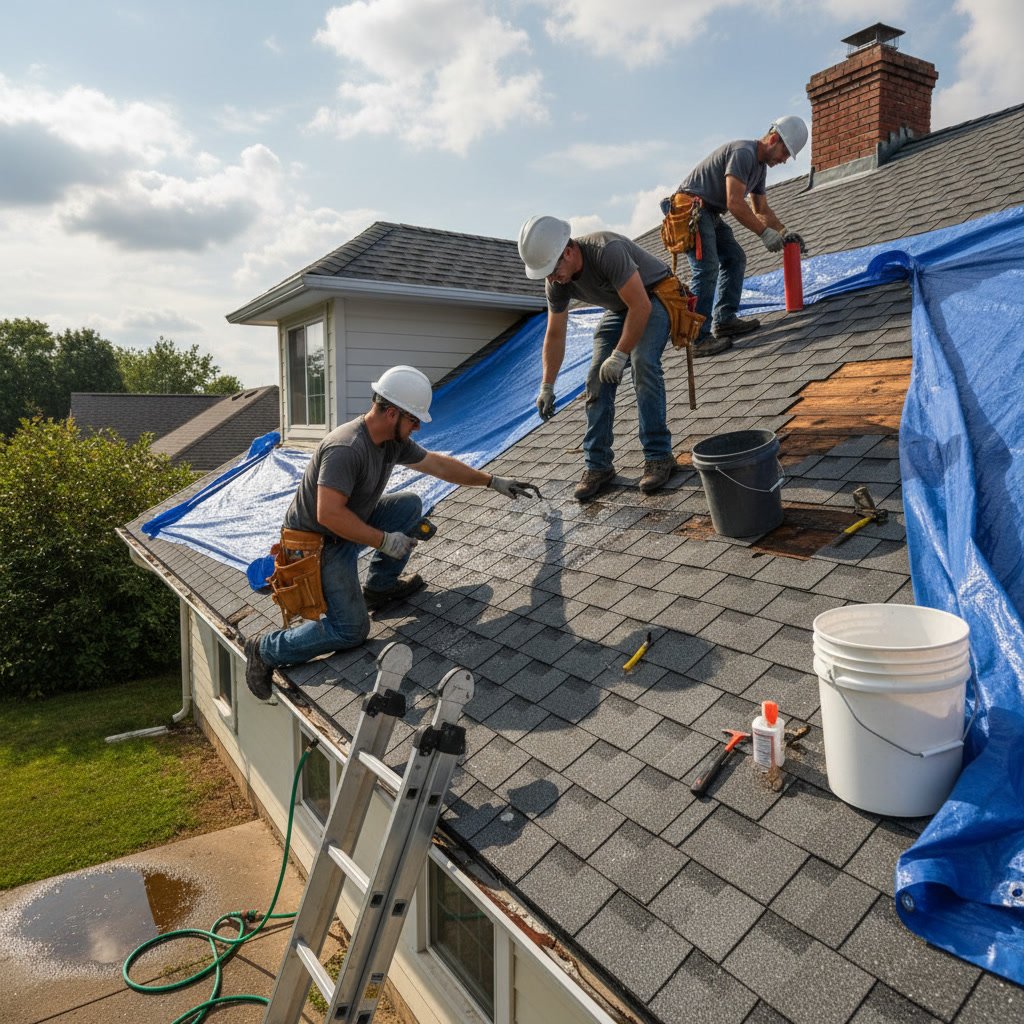
Understanding how roof leak repair works begins with recognizing the damage early, pinpointing the exact source, and implementing a repair method that addresses both the symptom and the underlying cause. Professional roofers follow a systematic approach that involves inspection, diagnosis, temporary stabilization if needed, and a permanent fix tailored to your roof type and damage severity. Most repairs take one to three days depending on complexity and weather conditions.
Why Roof Leaks Require Immediate Attention
Water intrusion through your roof creates a cascade of problems that worsen rapidly. A small leak can saturate insulation, rot wooden framing, encourage mold growth, and damage ceilings and walls within days. In Florida’s humid climate, moisture trapped in your roofing system accelerates deterioration and can compromise structural integrity in as little as a few weeks.
Delaying repairs multiplies costs exponentially. What starts as a $300 shingle replacement can balloon into a $5,000 project once water damages the decking, trusses, and interior finishes. Insurance companies often deny claims when homeowners wait too long to address known leaks, classifying the damage as maintenance neglect rather than a covered event.
Common Signs Your Roof Is Leaking
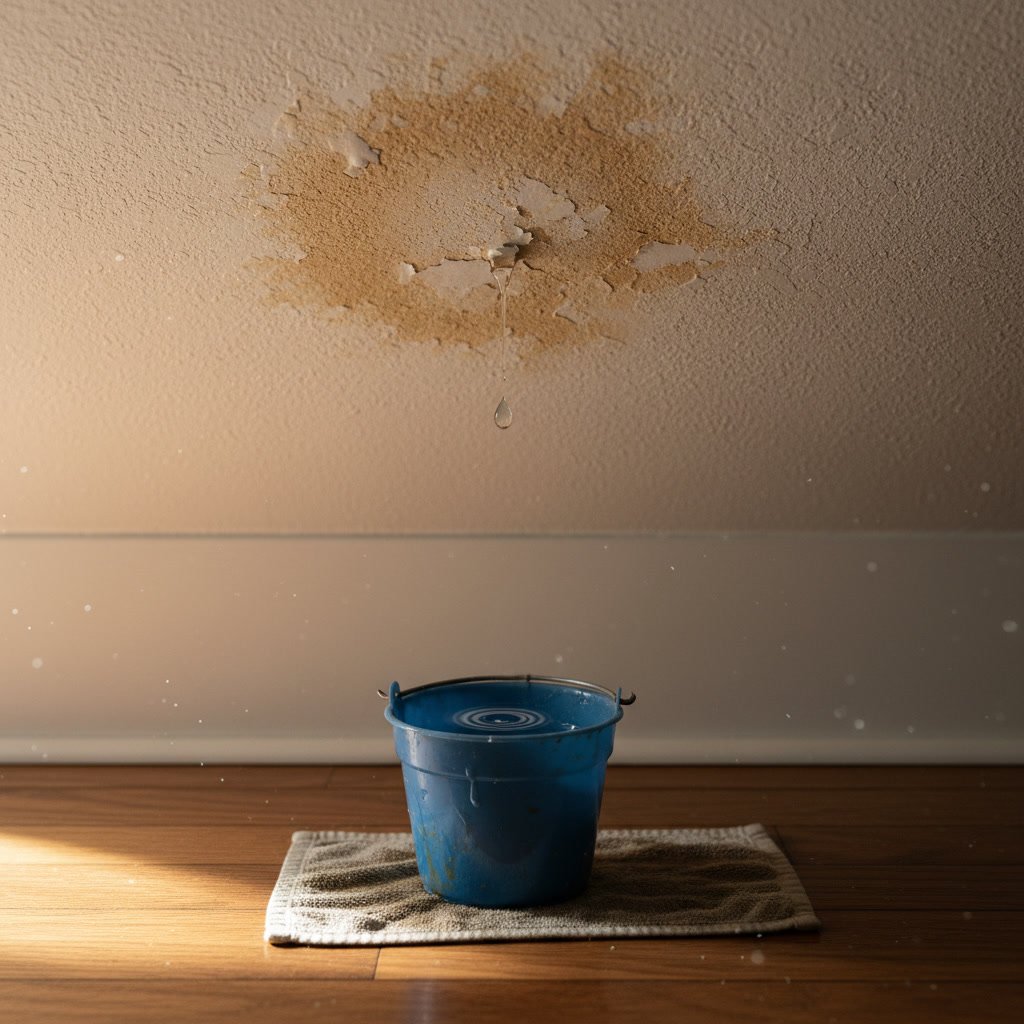
Water stains on ceilings or walls represent the most obvious indication, appearing as discolored patches, rings, or bubbling paint. Check your attic during or after heavy rain for active drips, damp insulation, or light penetrating through the roof decking. These visual cues tell you water has already breached your home’s envelope.
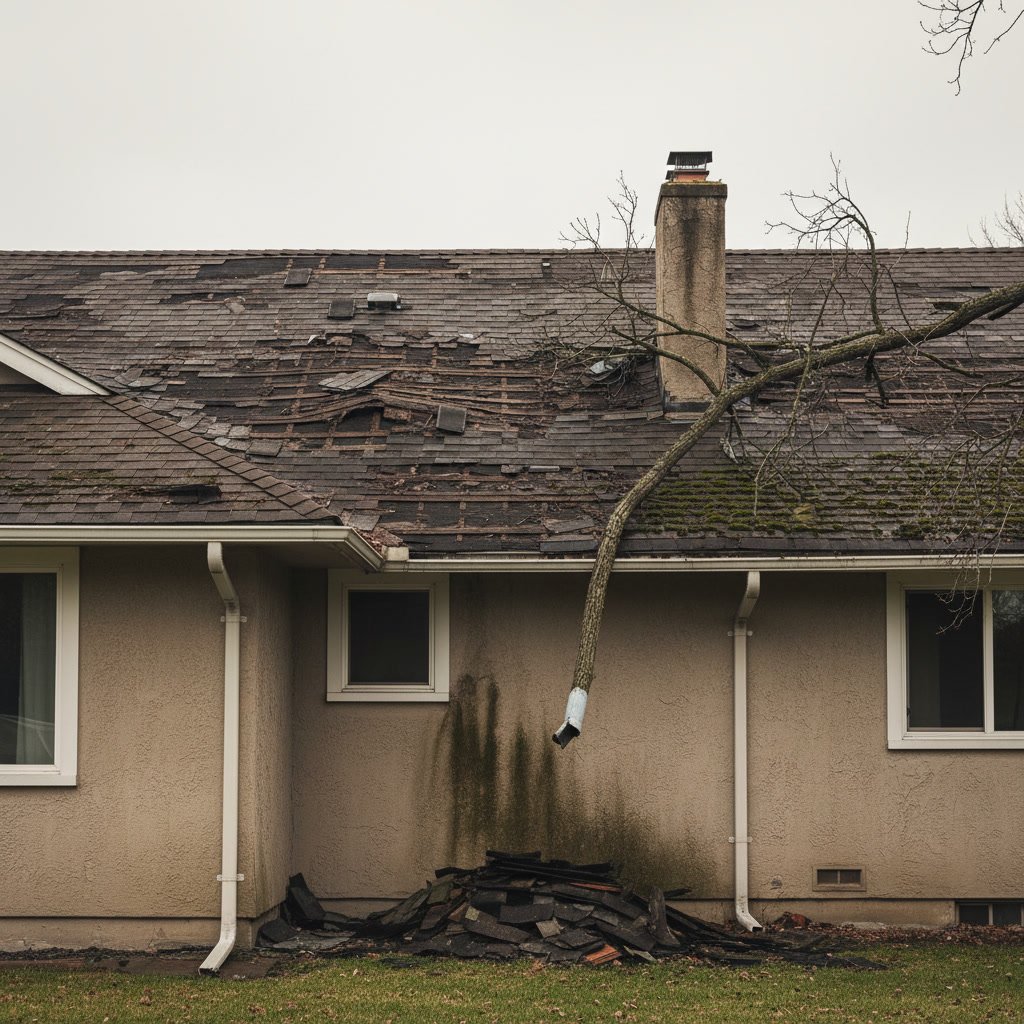
Exterior warning signs include missing, cracked, or curling shingles, damaged flashing around chimneys and vents, and granule accumulation in gutters. Sagging areas on your roofline suggest trapped moisture has weakened the decking. Musty odors in upper-floor rooms or the attic often indicate hidden moisture problems before visible stains appear.
How Professional Leak Detection Works
Professional roof leak repair starts with a thorough inspection. Contractors examine the interior damage location first, then trace upward and outward on the roof surface, because water rarely enters directly above where it appears inside. Gravity and roof slope cause water to travel along rafters, decking seams, or between layers before dripping through.
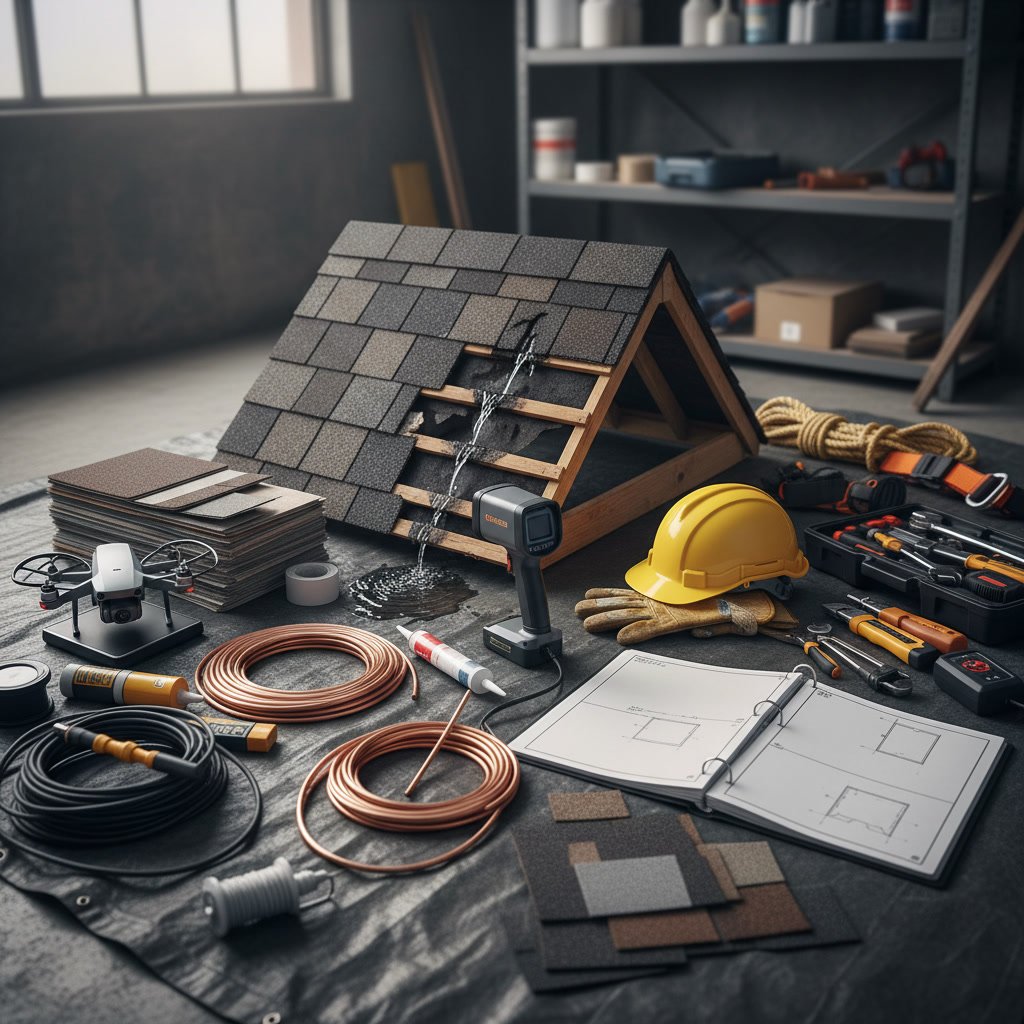
Experienced roofers test suspected areas with moisture meters that detect water content in roofing materials without destructive probing. Infrared thermography reveals temperature differences that indicate saturated insulation or trapped water pools. On flat or low-slope roofs, technicians sometimes perform flood testing by damming sections and filling them with water to observe exactly where leaks develop.
The inspection process identifies not just the leak source but contributing factors like inadequate ventilation, improper flashing installation, or structural issues that must be corrected for a lasting repair. This comprehensive assessment prevents recurring problems that result from addressing symptoms while ignoring root causes.
Step-by-Step Roof Leak Repair Process
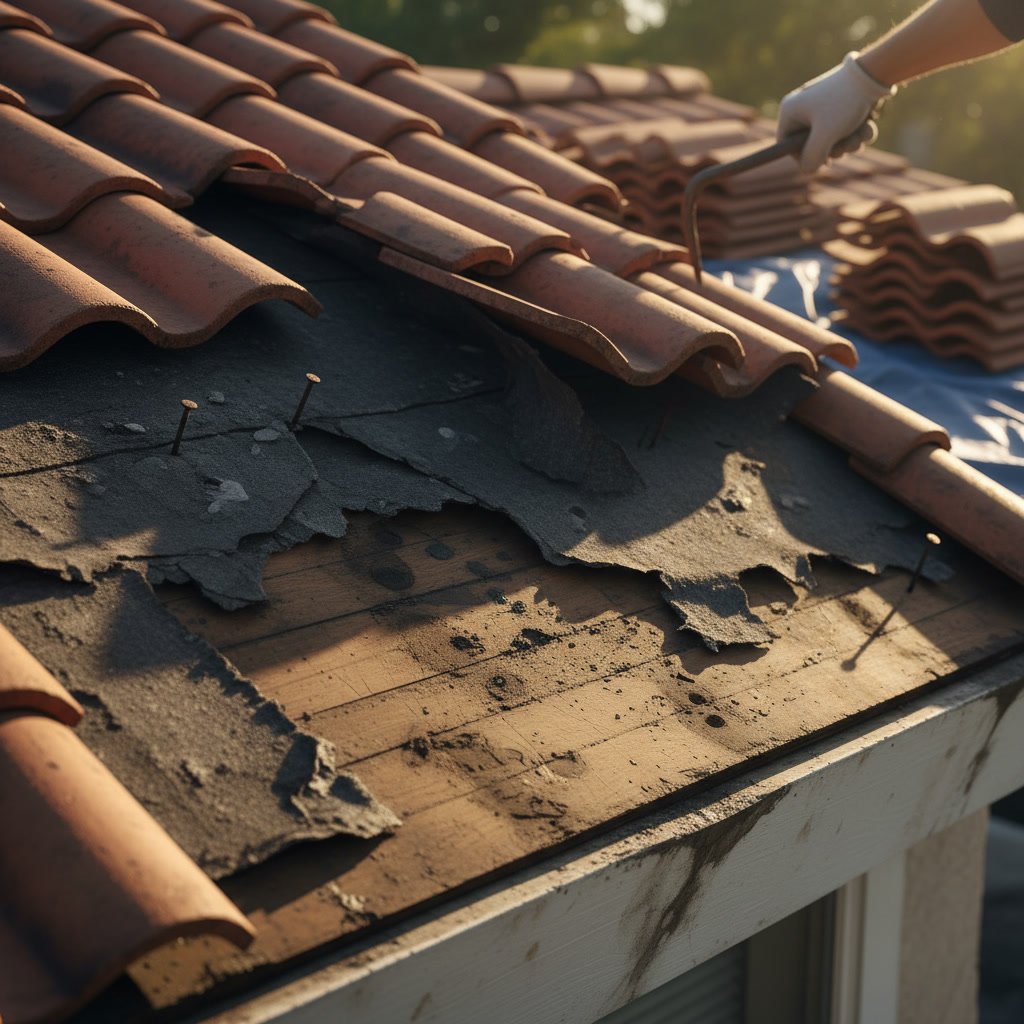
Once the leak source is confirmed, contractors follow a methodical repair sequence. First, they remove damaged roofing materials around the affected area, cutting back to sound material at least 12 inches beyond visible damage. This exposes the roof decking for assessment and ensures the repair integrates properly with existing materials.
Second, they inspect and replace compromised decking. Even minor water exposure can delaminate plywood or OSB sheathing, reducing its structural capacity and nail-holding ability. Roofers cut out damaged sections and install new decking that matches the original thickness, fastening it securely to rafters or trusses.
Third, they install new underlayment over the repair area, overlapping existing underlayment by at least six inches. This waterproof barrier provides critical secondary protection. Fourth, contractors replace roofing materials, whether shingles, tiles, or membrane, matching the pattern and ensuring proper overlap and fastening. They integrate new materials seamlessly with surrounding areas to maintain both function and appearance.
Fifth, they apply sealant at critical junctions and inspect flashing around penetrations, replacing it if needed. The final step involves interior assessment to confirm no moisture remains in insulation or framing, with replacement of saturated materials to prevent mold growth.
Repairing Different Roof Types in Valrico
Shingle roofs require careful removal and replacement to maintain the proper layering sequence. Contractors lift surrounding shingles without breaking them, slide new ones into position, and secure them with roofing nails placed just below the seal strip. Color matching matters for curb appeal, though weathered shingles rarely match perfectly with new ones.
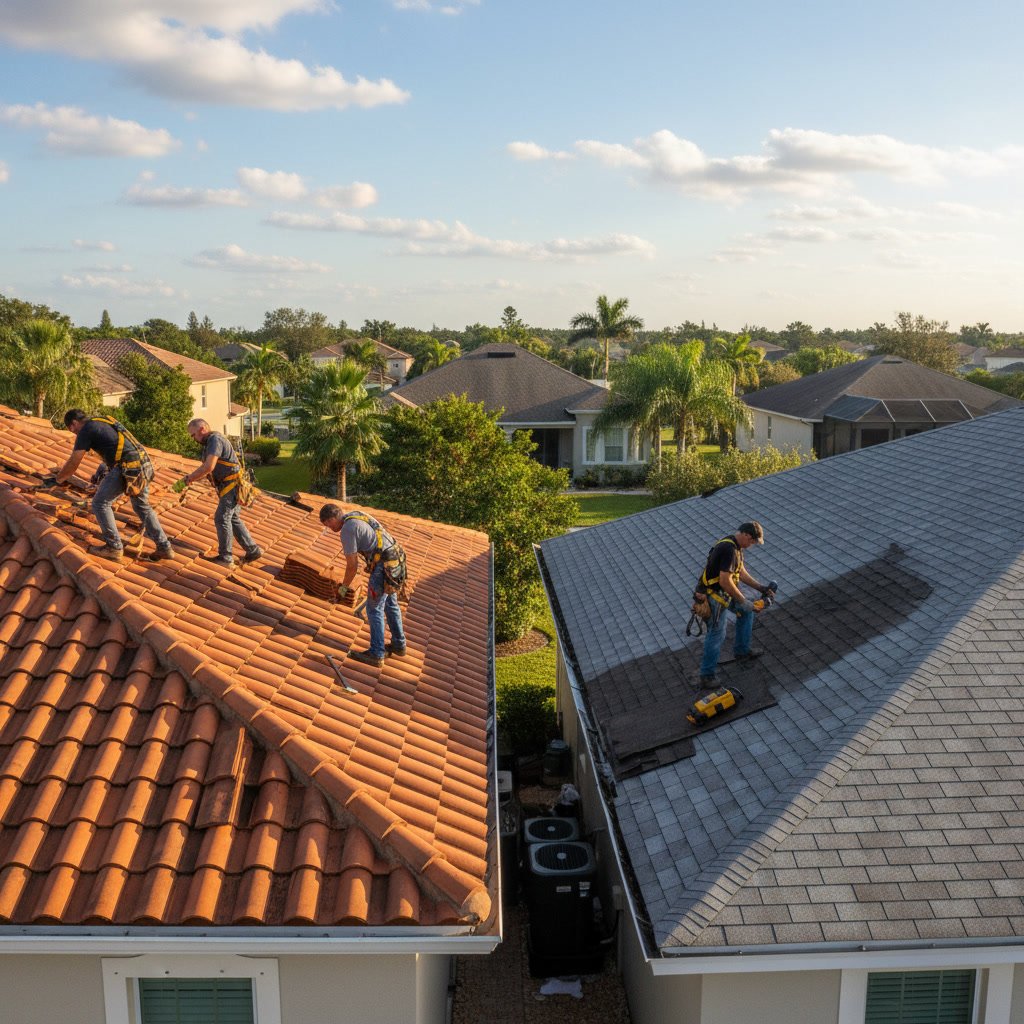
Tile roofing presents unique challenges because tiles are brittle and often discontinued years after installation. Roofers must carefully remove tiles around the leak, repair or replace the underlayment and decking, then reinstall tiles or substitute similar ones. Walking on tile roofs requires expertise to avoid breaking additional tiles.
Flat roofing systems like TPO, EPDM, or modified bitumen use different repair methods. Small punctures receive patch repairs with heat-welded or adhesive-bonded material. Larger damaged areas require cutting out the affected membrane section, installing new insulation if compromised, and integrating a new membrane section with proper seam welding or adhesive application.
Temporary vs. Permanent Repair Solutions
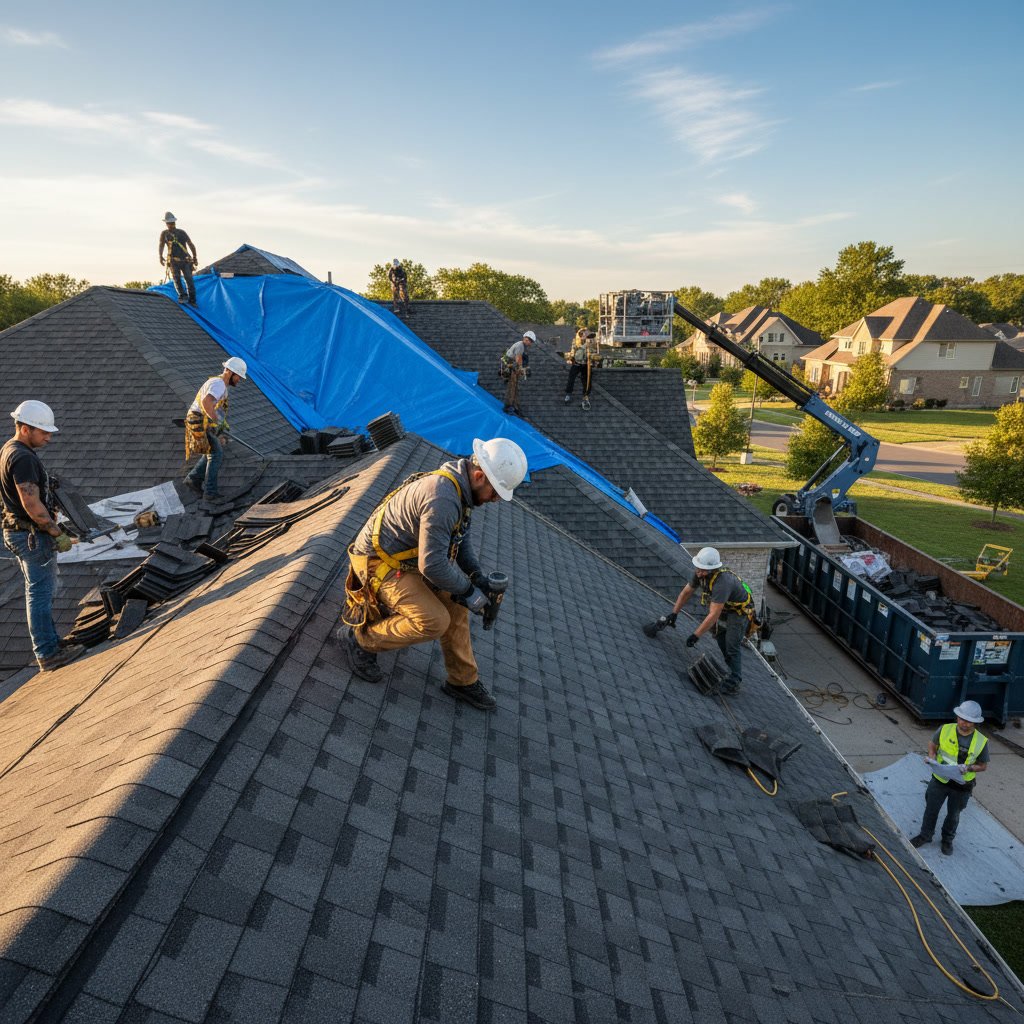
Emergency temporary repairs prevent additional damage when weather or timing prevents immediate permanent fixes. Roofers apply heavy-duty tarps secured with battens and fasteners, install temporary flashing around leaking penetrations, or apply emergency sealants. These measures buy time but never substitute for proper repairs.
Permanent solutions address all damaged components and restore your roof’s designed waterproofing system. Shortcuts like coating over damaged shingles or applying sealant without replacing deteriorated materials guarantee recurring leaks within months. The extra cost of doing repairs correctly the first time is always less than paying twice for temporary fixes followed by proper work.
If you need guidance on immediate steps to protect your property, review our article on emergency roof leak response for practical advice homeowners can implement quickly.
How Long Roof Leak Repairs Take
Simple repairs involving a few shingles or a small flashing section typically take two to four hours once materials arrive. Moderate repairs requiring decking replacement in a limited area usually finish within one full day. Extensive repairs involving multiple leak sources, significant structural damage, or complex tile work may require two to three days.
Weather directly impacts timelines. Rain delays work because roofing materials cannot be properly installed on wet surfaces, and exposed decking must remain dry during repair. Florida’s afternoon thunderstorms during summer months often mean roofers start early and pause work when storms approach, resuming once surfaces dry.
Material availability affects scheduling. Common shingles and flashing materials are usually available immediately, but specialty tiles, custom metal work, or specific membrane materials may require ordering, adding several days to a week before repairs begin.
Cost Factors in Professional Leak Repairs
Repair costs vary based on damage extent, roof accessibility, material type, and labor requirements. A simple shingle replacement averages $300 to $500. Repairs involving decking replacement range from $800 to $2,000 depending on area size. Tile repairs often cost more due to material expense and the specialized labor required.
Emergency service calls typically include premium charges for after-hours or weekend response. However, this additional cost prevents far greater damage from continued water intrusion. Insurance often covers leak repairs when storm damage or sudden events cause them, though policy deductibles apply.
Hidden damage discovered during repairs adds to initial estimates. Once contractors remove roofing materials, they may find rot extending beyond what was visible externally. Reputable contractors document unexpected damage with photos and provide updated pricing before proceeding with additional work. For perspective on larger projects, our guide covering roof replacement costs helps you understand when repairs no longer make financial sense.
Preventing Future Roof Leaks
Regular maintenance dramatically reduces leak probability. Schedule professional roof inspections twice yearly, ideally in spring and fall. Inspectors identify and address minor issues like loose flashing, damaged shingles, or clogged gutters before they cause leaks.
Keep gutters and downspouts clear of debris to prevent water backup under roofing materials. Trim tree branches that hang over your roof, as they drop leaves that trap moisture and branches that can puncture roofing during storms. Address minor damage promptly rather than waiting for small problems to become major failures.
Proper attic ventilation prevents moisture accumulation that degrades roofing materials from below. Ensure soffit vents remain unblocked and ridge or gable vents function correctly. Adequate ventilation also reduces cooling costs and extends shingle life by preventing excessive heat buildup.
When Repairs Are Not Enough
Multiple leak repairs over a short period indicate systemic roof failure rather than isolated damage. If your roof requires three or more repair calls within two years, replacement becomes more economical than continued patching. Age matters too, as roofs approaching the end of their expected lifespan (15 to 20 years for asphalt shingles, 20 to 30 years for architectural shingles) rarely benefit from further repairs.
Widespread granule loss, curling shingles across large areas, or visible sagging sections signal that your roof has exhausted its service life. Continuing to repair an aging roof wastes money that should go toward replacement. Our article on recognizing when replacement is necessary provides detailed guidance on making this important decision.
Storm damage that affects more than 30 percent of your roof surface typically justifies replacement rather than extensive repairs. Insurance companies often recognize this threshold and approve replacement claims when damage is sufficiently widespread.
Protecting Your Home with Professional Expertise
Professional leak repairs restore your roof’s integrity and protect your home from the serious consequences of water intrusion. The systematic approach that skilled contractors apply ensures repairs address root causes rather than masking symptoms temporarily. Quick response, accurate diagnosis, and quality workmanship make the difference between a repair that lasts years and one that fails within months.
Quick Quote Roofing provides comprehensive leak repair services for residential and commercial properties throughout the Brandon area. Our licensed professionals use proven techniques and quality materials to deliver repairs that stand the test of time. We accept insurance and work with you to restore your roof’s protection quickly and affordably. Contact us at +18135647603 to schedule an inspection and receive your free repair estimate.