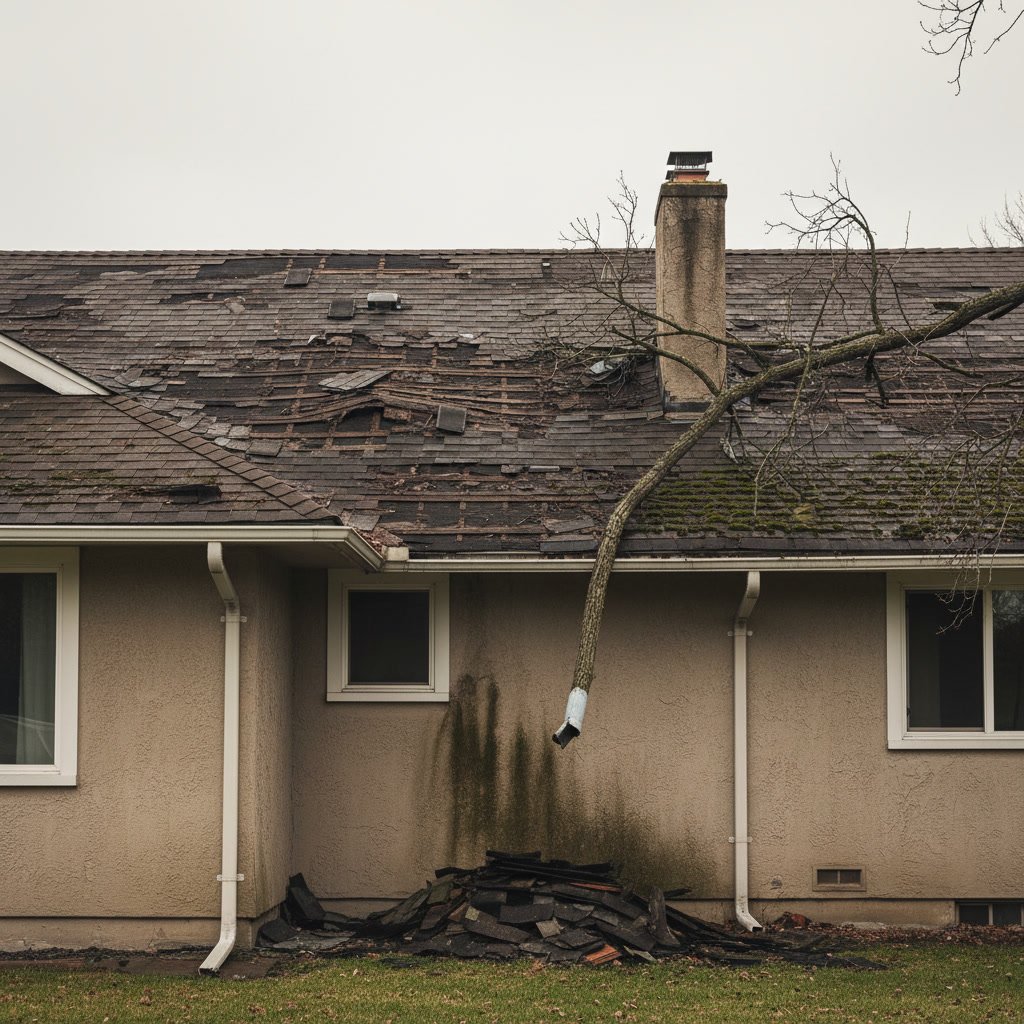
Certain roof problems demand immediate professional attention to prevent catastrophic damage and costly repairs. The signs you need a roofing contractor include visible water stains, missing shingles, sagging roof sections, and sudden increases in energy bills. Ignoring these warning signs can transform a simple repair into a complete roof replacement, potentially costing thousands more than early intervention.
Your roof works 24 hours a day to protect your family and belongings from Florida’s intense sun, heavy rains, and occasional severe weather. Understanding when damage crosses from minor maintenance to emergency territory helps you make smart decisions that protect both your home and your budget.
Why Timing Matters When Roof Problems Surface
Roof damage rarely stays contained. A small leak today becomes widespread water infiltration within weeks, especially during Florida’s rainy season. Water travels along rafters and beams before showing up as ceiling stains, meaning the visible damage represents only a fraction of the actual problem.
The speed at which roof damage progresses depends on several factors. Material type, age of the roof, and weather exposure all influence deterioration rates. A minor issue on a ten-year-old roof might stabilize temporarily, while the same problem on a 20-year-old roof could signal imminent failure.
Insurance coverage adds another time-sensitive element. Most policies require homeowners to address damage promptly to prevent further loss. Waiting too long can give insurers grounds to deny claims, leaving you responsible for repairs that could have been covered.
Water Stains and Ceiling Discoloration
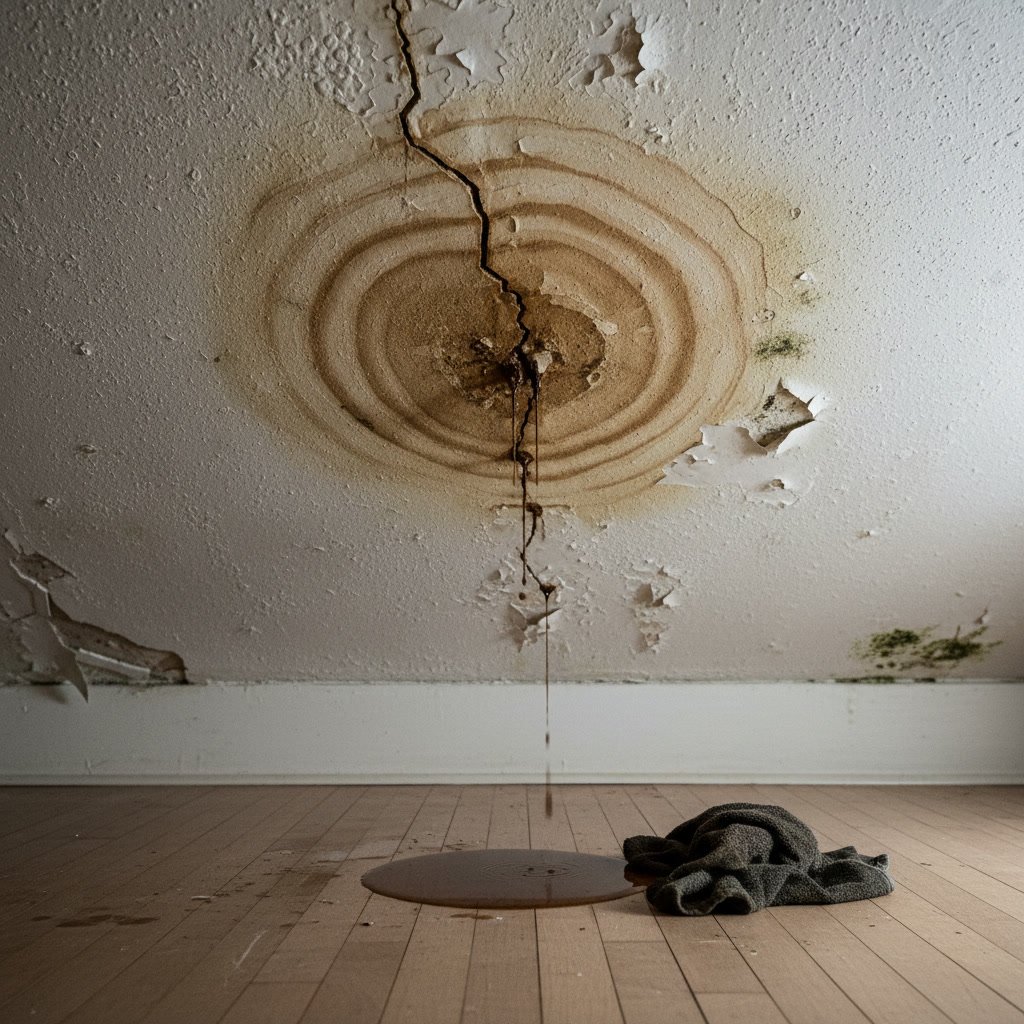
Water stains on ceilings or walls indicate active roof leaks, even if you don’t see water dripping. These brown or yellow marks appear where moisture has penetrated the roofing system and saturated insulation or drywall. Fresh stains look darker and feel damp to the touch, while older ones fade to light brown or tan.
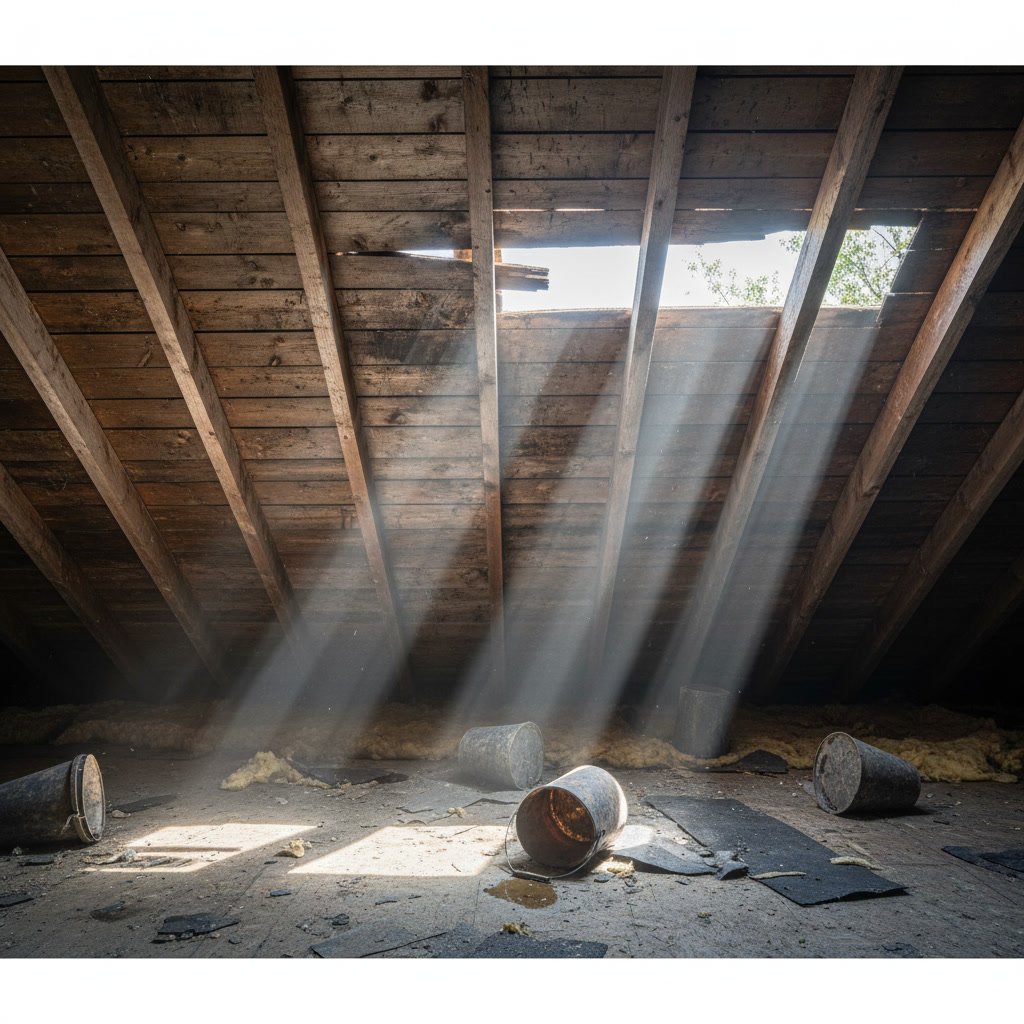
Check attic spaces during daylight hours with lights off. Pinpoint holes in the roof deck allow sunlight to stream through, marking exact penetration points. This same inspection reveals water stains on rafters and decking that haven’t yet reached living spaces below.
Don’t mistake condensation for roof leaks. Condensation typically appears as widespread moisture without defined edges, while leak stains show distinct borders and originate from specific points above. A qualified roofing contractor can distinguish between these issues during inspection.
Missing, Cracked, or Curling Shingles
Shingles protect the vulnerable roof deck from weather exposure. When shingles go missing or sustain damage, the underlying materials face direct exposure to rain, sun, and wind. Even a few missing shingles create entry points for water that spreads beneath surrounding shingles.
Curling shingles indicate age-related deterioration or poor ventilation. The edges curl upward or the centers buckle, creating gaps where water penetrates. Cracked shingles develop from thermal expansion and contraction cycles, eventually splitting completely and allowing water through.
After severe storms, walk your property perimeter and look for shingle debris in gutters or on the ground. This signals potential roof damage requiring inspection. High winds often lift shingle edges, breaking the seal even when shingles remain in place, so storm damage isn’t always visible from ground level.
Sagging Roof Sections in Valrico Homes
A sagging roofline indicates serious structural problems requiring immediate attention. This visible dip or depression suggests compromised roof decking, rotted rafters, or inadequate structural support. Sagging can result from prolonged water exposure, poor initial construction, or excessive weight on the roof structure.
Stand at street level and look along your roofline from multiple angles. The line should appear straight and uniform. Any waves, dips, or low spots warrant professional evaluation. Interior sagging appears as drooping ceiling sections or cracks radiating from corners.
This structural issue poses safety risks beyond water damage. Severely compromised roof sections can collapse, especially under additional weight from equipment, debris, or people. Professional assessment determines whether roof repair can address the problem or if complete replacement becomes necessary.
Granule Loss and Bald Spots on Shingles
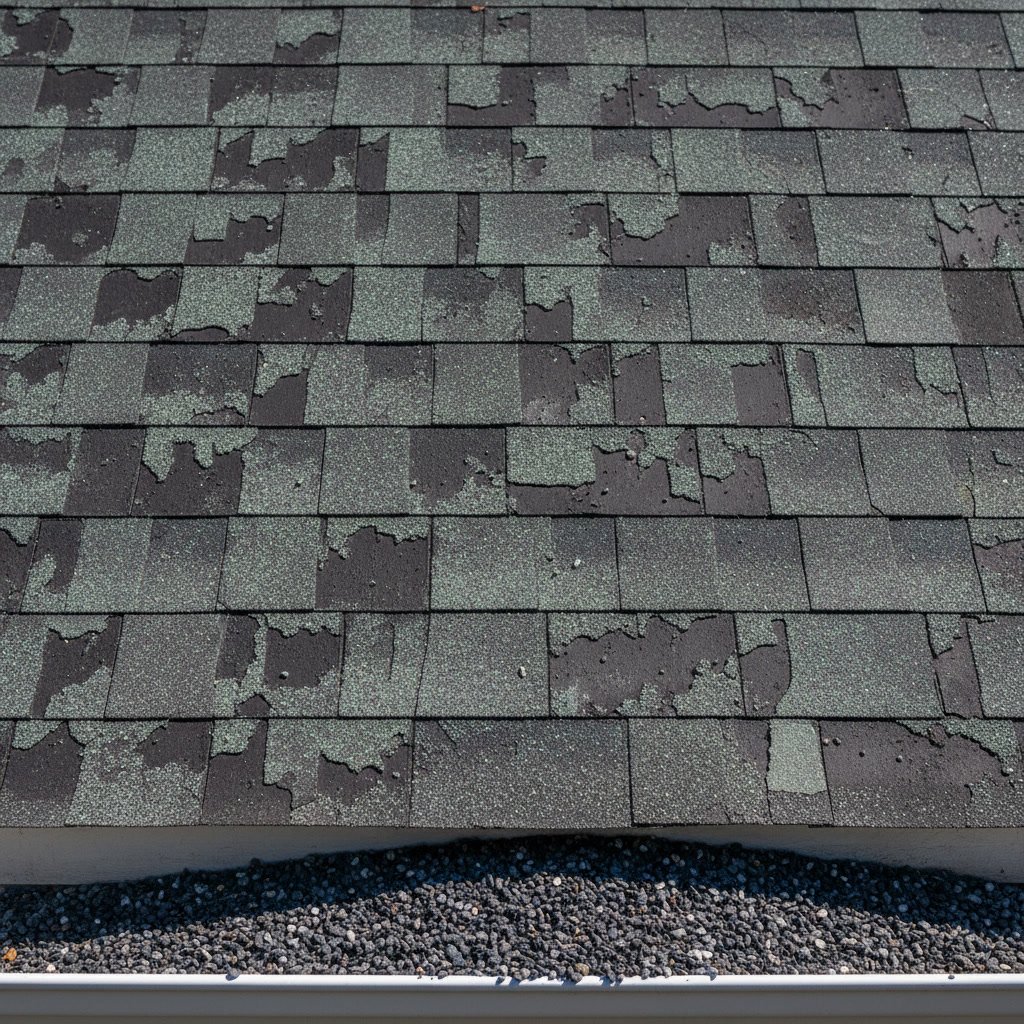
Asphalt shingles rely on embedded granules for UV protection and fire resistance. As shingles age, granule loss accelerates, leaving exposed asphalt vulnerable to rapid deterioration. Check gutters and downspouts for granule accumulation, which looks like coarse black sand.
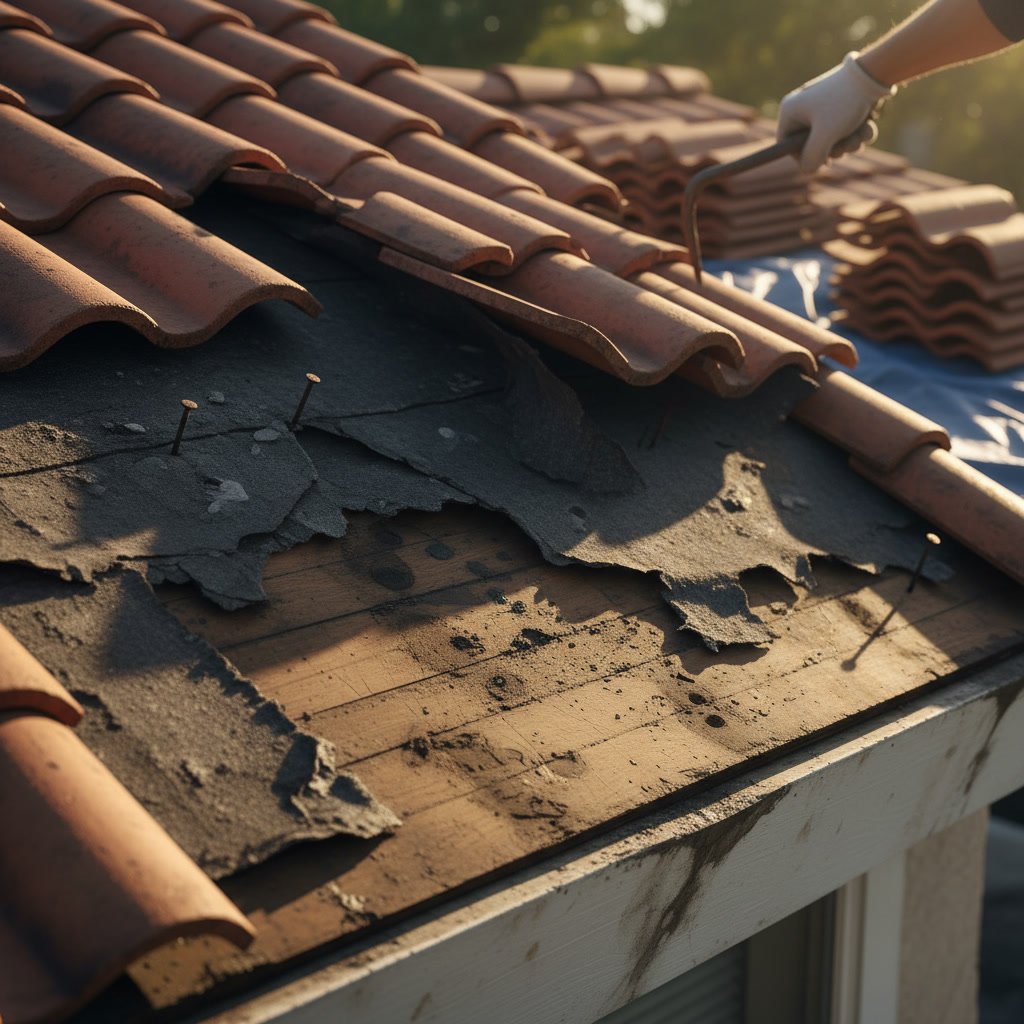
New roofs shed some granules during the first year as manufacturing excess washes away. Excessive granule loss on roofs older than two years signals aging or defective materials. Bald spots where granules have completely worn away expose the dark asphalt mat underneath, visible as patches darker than surrounding shingles.
Once granules disappear, the underlying asphalt deteriorates rapidly under Florida sun. The shingles become brittle, crack easily, and fail to provide adequate weather protection. Widespread granule loss typically means the entire roof nears the end of its service life, and understanding when replacement becomes necessary helps you plan accordingly.
Unexpected Increases in Energy Bills
Rising energy costs without corresponding usage changes often indicate roof problems affecting insulation performance. Gaps, leaks, or ventilation issues force HVAC systems to work harder maintaining comfortable temperatures. A sudden 15 to 20 percent increase in cooling or heating costs warrants roof investigation.
Compromised roof ventilation traps heat in attic spaces, radiating warmth into living areas below. This forces air conditioning systems into longer run cycles, consuming more electricity. Proper ventilation allows hot air to escape while drawing cooler air through soffit vents, maintaining balanced attic temperatures.
Moisture infiltration saturates insulation, destroying its thermal resistance properties. Wet insulation compresses, creating thermal bridges where heat transfers freely between interior and exterior. Even after moisture dries, compressed insulation never regains full effectiveness, requiring replacement to restore energy efficiency.
Interior Signs: Mold, Mildew, and Musty Odors
Mold growth in attics or upper floor rooms indicates moisture problems often originating from roof leaks. Mold appears as black, green, or brown patches on wood, insulation, or drywall. Musty odors signal mold presence even when visible growth remains hidden behind walls or in insulation.
Florida’s humidity creates ideal mold conditions when combined with roof leaks. Mold develops within 24 to 48 hours of water exposure, spreading rapidly through porous materials. Beyond property damage, mold presents health risks including respiratory problems, allergic reactions, and asthma triggers.
Professional roof inspections identify leak sources before mold becomes established. Regular inspections catch problems early, preventing the moisture accumulation that enables mold growth. Addressing roof issues promptly eliminates the moisture source, stopping mold development.
Daylight Visible Through Roof Boards
Any daylight visible through your roof deck from the attic indicates holes or gaps requiring immediate repair. These openings allow water, pests, and outside air direct access to your home’s interior structure. Even pinhole-sized openings expand rapidly under weather exposure and thermal cycling.
Conduct attic inspections during bright, sunny days with attic lights off. Look across the underside of roof decking for light streaming through. Pay special attention to areas around chimneys, vents, skylights, and valleys where different roof planes meet, as these junctions frequently develop gaps.
Light penetration points mark exactly where water enters during rain. A single quarter-inch hole can admit several gallons of water during heavy storms. These penetrations often indicate deteriorated flashing, displaced shingles, or separation between roofing components requiring professional repair.
Storm Damage Assessment: Five Critical Steps
After severe weather events, systematic inspection identifies damage requiring professional attention. Follow these steps to assess your roof safely from ground level:
First, walk your property perimeter looking for shingle debris, damaged vents, or displaced flashing. Document everything with dated photographs for insurance purposes. Second, use binoculars to examine roof surfaces from ground level, noting missing shingles, dented vents, or visible damage.
Third, check gutters for excessive granule accumulation or shingle fragments indicating impact damage. Fourth, inspect interior ceilings and attic spaces for new water stains or wet insulation. Fifth, schedule professional inspection within 72 hours of major storms, as damage often remains invisible from ground level.
Professional contractors access roof surfaces safely using proper equipment and fall protection. They identify subtle damage like broken seals, micro-cracks, and compromised flashing that worsen over time. Early detection through professional leak assessment prevents minor storm damage from becoming major problems.
Warning Signs in Gutters and Downspouts
Gutter systems reveal important roof condition information. Overflowing gutters during moderate rain suggest debris blockage or improper pitch, but can also indicate roof edge problems directing excessive water into gutters. Separated gutters pulling away from fascia boards often result from water-damaged fascia caused by roof edge leaks.
Examine downspout discharge after rain events. Excessive granule accumulation signals accelerated shingle deterioration. Rust stains or rotted fascia boards near gutter attachment points indicate chronic moisture problems requiring investigation of roof edge conditions and flashing integrity.
Peeling paint on soffits or fascia boards suggests moisture intrusion from above. Water wicking into these areas typically originates from failed drip edge flashing or deteriorated shingle underlayment. These edge problems allow water behind gutters, rotting the wood structure supporting your entire roof edge.
When to Choose Repair Versus Replacement
Several factors determine whether repair suffices or replacement becomes necessary. Roof age plays the primary role. Damage on roofs younger than ten years with 60 percent or more remaining service life typically warrants repair. Roofs exceeding 75 percent of expected lifespan often make better candidates for replacement.
Damage extent matters significantly. Isolated problems affecting less than 30 percent of roof surface area generally allow cost-effective repair. Widespread damage across multiple roof sections often costs more to repair than replacement provides in value, especially considering remaining roof lifespan.
Multiple previous repairs indicate systemic problems rather than isolated damage. Homes with three or more repair projects over five years likely face underlying issues requiring comprehensive solutions. Working with contractors familiar with residential and commercial applications ensures you receive honest assessments based on your specific situation.
Protecting Your Investment Through Prompt Action
Roof problems never improve on their own. Every day of delayed repair allows damage to spread deeper into your home’s structure. Water penetration rots wood framing, destroys insulation, damages electrical systems, and creates mold growth requiring expensive remediation beyond simple roof repair costs.
Quick response to warning signs protects your largest investment while minimizing repair costs. A 200-dollar repair caught early prevents the 5,000-dollar replacement needed after months of neglect. Professional contractors identify problems you cannot see from ground level, providing accurate assessments that guide smart decisions.
Florida’s climate accelerates roof deterioration compared to northern states. Intense UV exposure, thermal cycling, heavy rains, and occasional hurricanes stress roofing materials year-round. Regular professional inspections combined with prompt response to warning signs maximize roof lifespan while protecting everything beneath it.
Quick Quote Roofing provides comprehensive inspection, repair, and replacement services throughout Brandon and surrounding communities. Our licensed professionals identify problems early, offering honest assessments and competitive pricing backed by quality materials and skilled workmanship. Contact us at +18135647603 for prompt service that protects your home and your budget.