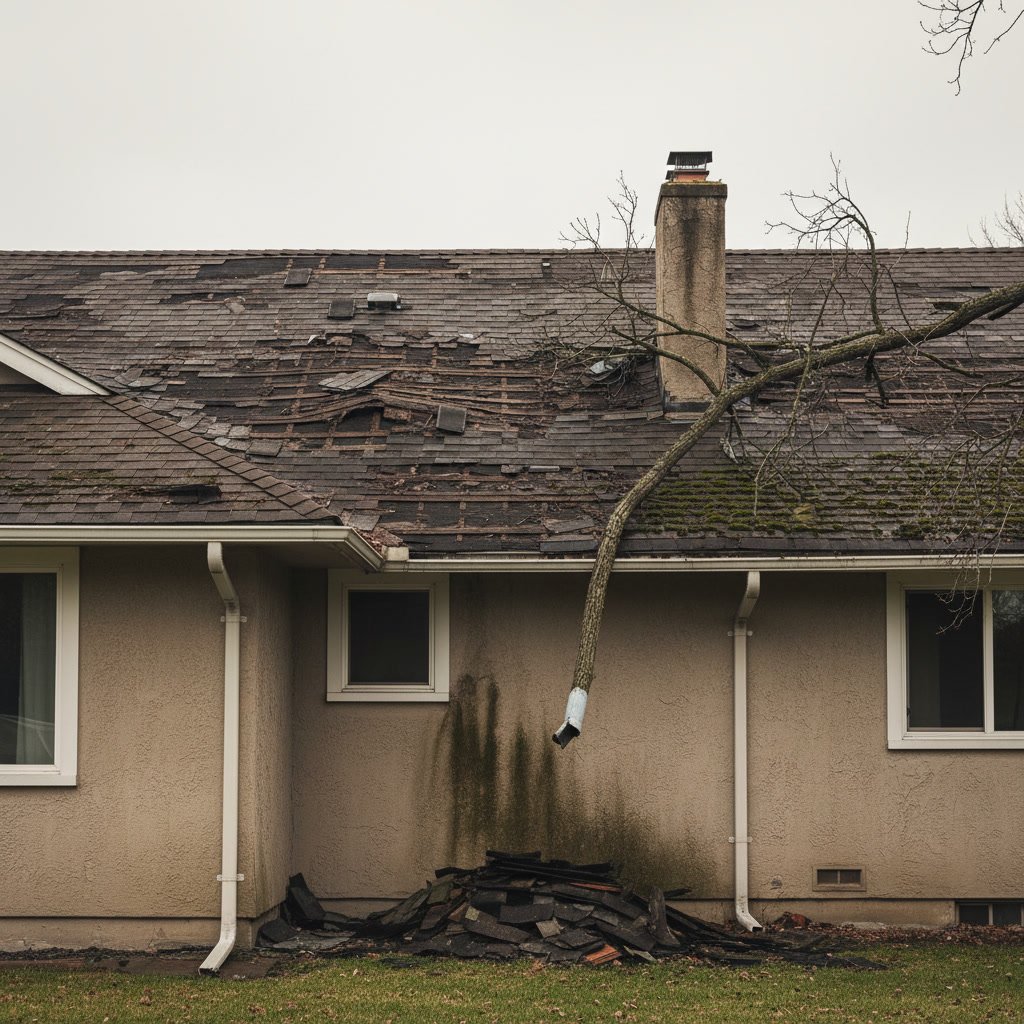

Getting roofing contractor HOA approval starts with understanding your community’s architectural guidelines and submitting complete documentation before work begins. Most HOAs require detailed specifications including material samples, color swatches, contractor licenses, and project timelines. A qualified contractor familiar with HOA processes will coordinate all submissions, communicate directly with review boards, and ensure compliance with both community standards and local building codes.
Homeowners often underestimate the complexity of architectural review requirements when planning roofing projects. The process involves multiple stakeholders, strict deadlines, and specific documentation that varies significantly between communities. Missing a single requirement can delay your project by weeks or result in outright denial.
Why HOAs Require Architectural Approval for Roofing Projects
Homeowner associations maintain architectural control to preserve property values and ensure visual harmony across the community. Roofing changes significantly impact curb appeal and neighborhood aesthetics. Most HOA governing documents grant architectural review committees authority to approve or deny exterior modifications, including roof replacement, material changes, and color alterations.
Review boards evaluate submissions against established design standards that specify acceptable materials, color palettes, and installation methods. These guidelines often restrict certain roofing types or require specific brands to maintain uniformity. Communities may prohibit reflective materials, limit color choices to earth tones, or mandate specific tile profiles that match neighboring homes.
Understanding Your Community’s Architectural Guidelines
Before contacting any contractor, obtain a current copy of your HOA’s architectural guidelines and application procedures. These documents outline exactly what the review board requires for approval. Many associations maintain online portals with downloadable forms, while others require in-person requests at management offices.
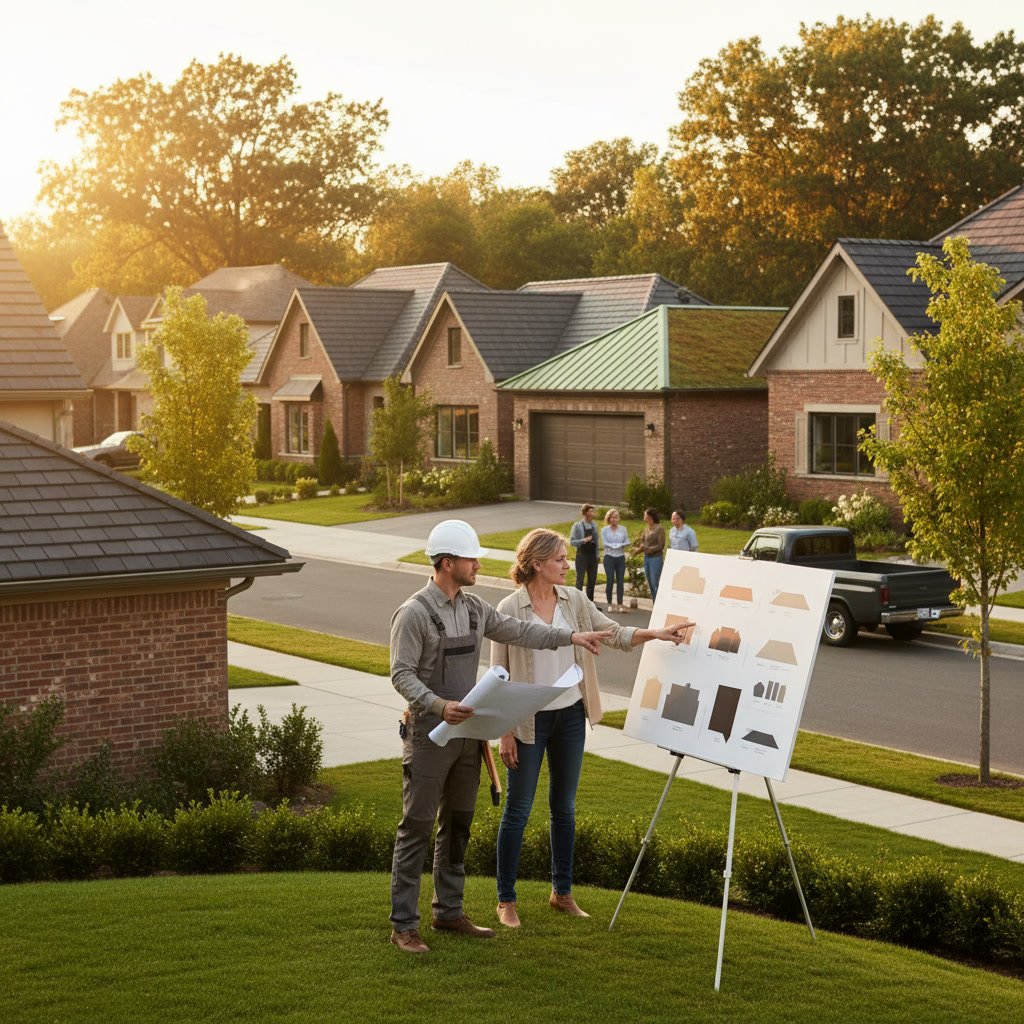
Pay close attention to submission deadlines and meeting schedules. Most review boards convene monthly, and applications must arrive 10 to 30 days before each meeting. Missing a deadline pushes your project back an entire month. Some communities require preliminary consultations before formal submissions, adding another layer to the timeline.
Guidelines typically specify approved materials by brand name and model number. If your desired roofing material isn’t listed, you’ll need to request a variance, which requires additional justification and often faces higher scrutiny. The variance process can extend approval timelines by 60 days or more.
Documentation Requirements for Roofing Applications
Complete HOA submissions typically include a formal application form, detailed project description, contractor information, material specifications, color samples, installation timeline, and site plans. Each component serves a specific purpose in the review process.
Material specifications must include manufacturer names, product lines, model numbers, and warranty information. Physical samples often carry more weight than photographs. Many experienced roofing contractors maintain libraries of approved samples specifically for HOA submissions.
Contractor documentation should include current licenses, insurance certificates, worker’s compensation coverage, and references from similar communities. Review boards want assurance that approved contractors will complete work professionally without creating liability issues for the association. License number CCC1332836, for example, verifies state certification and can be included in submissions to demonstrate compliance.
How Professional Contractors Streamline the Approval Process in Valrico
Experienced contractors who regularly work in HOA communities understand submission requirements and maintain relationships with property managers and review board members. They know which materials typically gain approval, how to format applications for quick processing, and which documentation prevents delays.
Professional contractors prepare comprehensive submission packages that anticipate board questions. They include multiple material options with pros and cons for each, demonstrate how proposed work aligns with architectural standards, and provide visual renderings showing the finished appearance. This thorough approach significantly increases first-submission approval rates.
Many contractors attend review board meetings alongside homeowners to answer technical questions directly. This personal presence demonstrates professionalism and allows immediate clarification of any concerns. Board members appreciate the opportunity to discuss installation methods, drainage solutions, and warranty coverage with the actual professionals performing the work.
The Step-by-Step HOA Approval Timeline
The typical approval process follows a predictable sequence. First, homeowners schedule a roof inspection to document current conditions and determine necessary work. Second, they review architectural guidelines to identify material restrictions and submission requirements. Third, they select a contractor experienced with HOA processes.
Fourth, the contractor prepares the complete submission package including all required documentation. Fifth, the homeowner submits materials according to HOA deadlines, typically 15 to 30 days before the next scheduled meeting. Sixth, the review board evaluates the application and issues approval, conditional approval, or denial.
Seventh, if conditions apply, the homeowner and contractor address specified concerns and resubmit modified plans. Eighth, upon final approval, the contractor schedules work and notifies the HOA of start dates. The entire process typically requires 45 to 90 days from initial inspection to project commencement, though complex projects or variance requests may extend beyond 120 days.
Common Reasons HOAs Deny Roofing Applications
Incomplete documentation represents the leading cause of application denials. Missing contractor licenses, inadequate material specifications, or absent color samples trigger automatic rejections in many communities. Review boards cannot approve what they cannot fully evaluate.
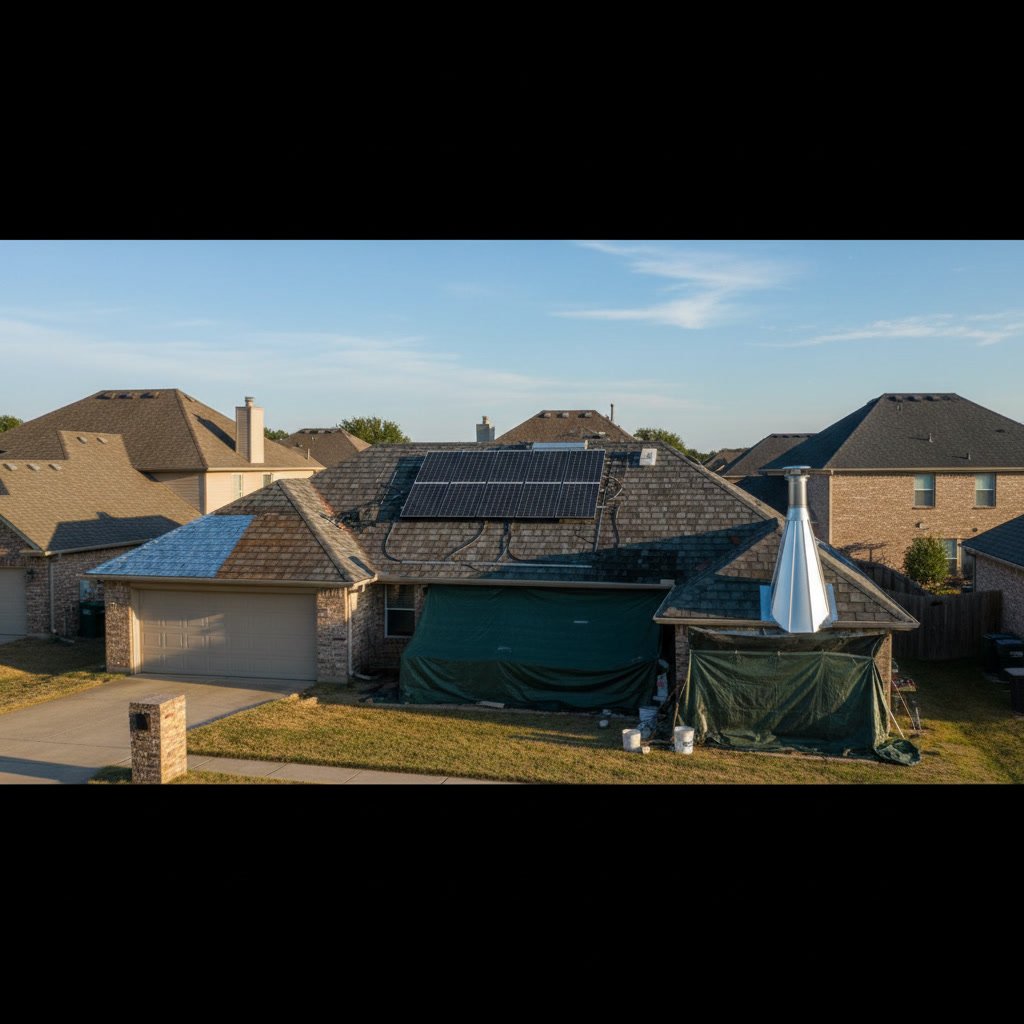
Material incompatibility ranks second. Submitting flat roofing options in communities that require pitched roofs, or proposing metal roofing where only tile is permitted, guarantees denial. Careful guideline review prevents these easily avoidable mistakes.
Color mismatches also cause rejections. Even approved materials in unapproved colors face denial. Some boards require exact color matches to existing homes, while others allow selection from pre-approved palettes. When architectural standards specify particular shades, submitting alternatives wastes everyone’s time.
Handling Conditional Approvals and Resubmissions
Conditional approvals indicate the board supports the project concept but requires specific modifications. Common conditions include changing colors, adjusting material grades, modifying installation methods, or providing additional drainage solutions. These represent opportunities, not failures.
Address conditions promptly and completely. Boards that issue conditional approvals have already invested time evaluating your project and signaled general acceptance. Quick turnaround on required changes often allows approval at the next meeting without full re-review. Some communities even permit email approvals for minor conditional modifications between regular meetings.
Document all condition responses in writing. If the board requested a different tile profile, specify the exact new model number and include updated samples. Clear communication prevents misunderstandings and demonstrates your commitment to compliance. Understanding roof replacement costs helps when boards request material upgrades, as you’ll need to evaluate budget impacts of conditional requirements.
Working with Multiple Approval Authorities
Roofing projects often require both HOA architectural approval and county building permits. These represent separate processes with different requirements and timelines. HOA approval addresses aesthetic and community standards, while building permits ensure structural safety and code compliance.
Smart sequencing prevents wasted effort. Obtain HOA approval before applying for building permits. If the association denies your application or requires material changes, permit applications based on original plans become invalid. Most county permitting offices accept HOA approval letters as supporting documentation, which can actually expedite permit processing.
Some contractors handle both processes simultaneously by preparing dual-purpose documentation packages. Material specifications that satisfy HOA aesthetic requirements also demonstrate code compliance for permitting authorities. This integrated approach saves time but requires contractors thoroughly familiar with both systems.
Special Considerations for Tile and Specialty Roofing Materials
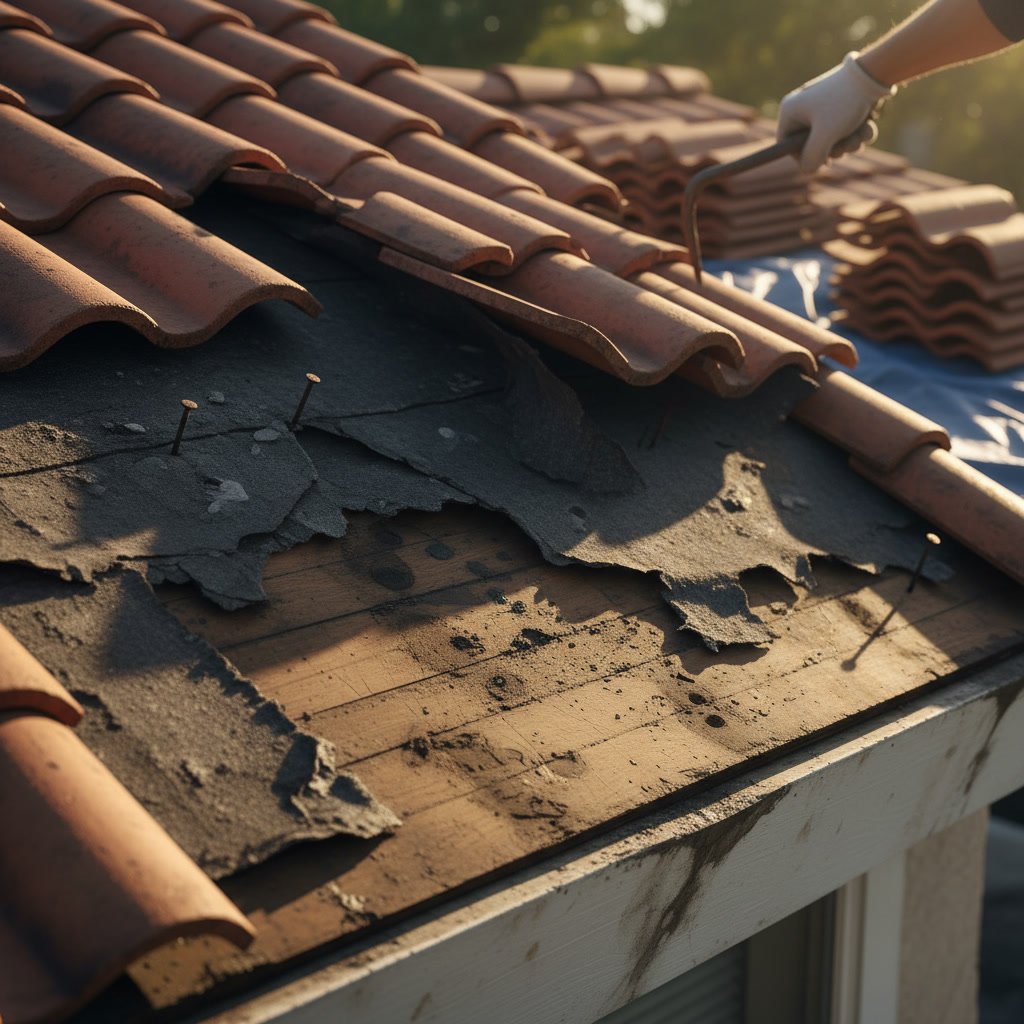
Communities in Florida often specify tile roofing for architectural consistency and hurricane resistance. Tile submissions require additional details including weight calculations, structural support verification, and underlayment specifications. Review boards want confirmation that existing roof structures can support tile loads, particularly when replacing lighter materials.
Specialty materials like clay tiles, concrete tiles, or architectural shingles demand manufacturer certification documents. These prove materials meet Florida Building Code requirements for wind resistance and impact ratings. Many HOAs require minimum Class 3 or Class 4 impact ratings in hail-prone areas, information that must appear clearly in submission packages.
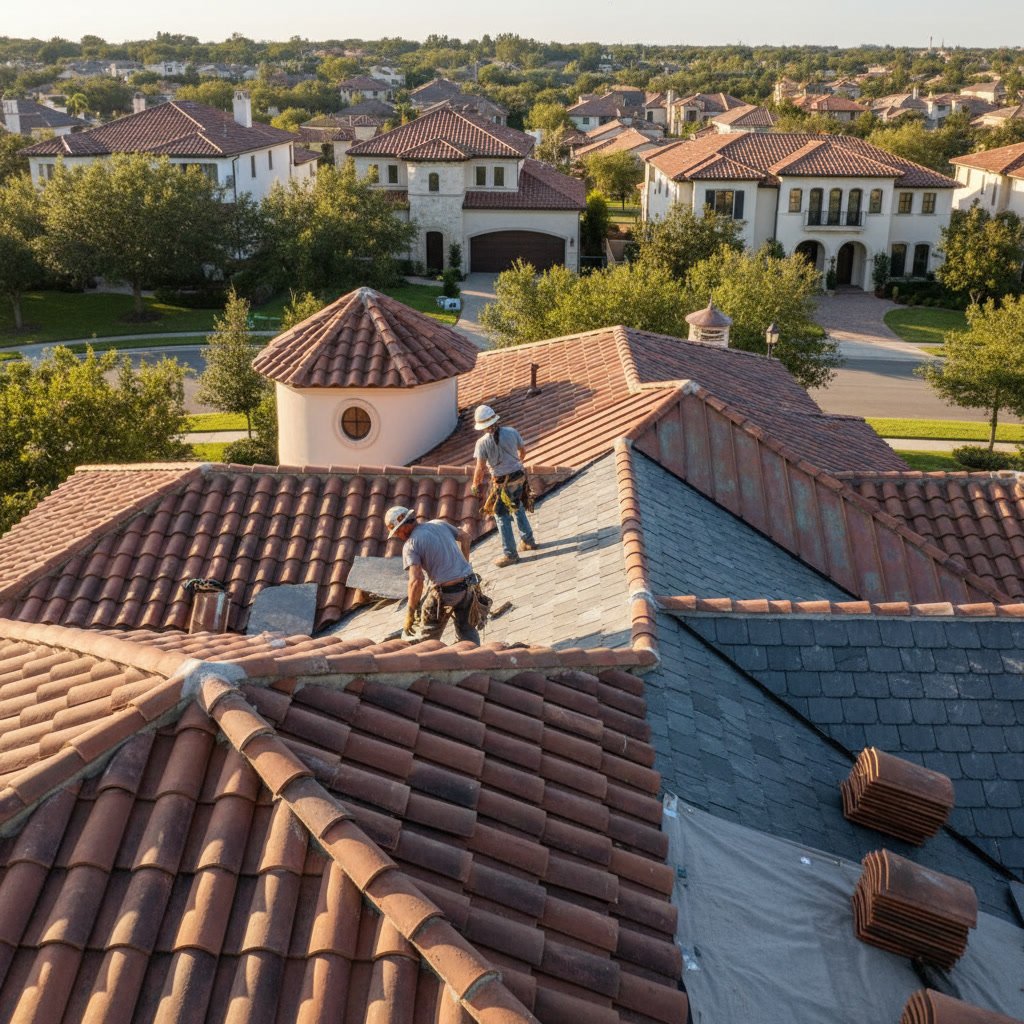
Color consistency presents unique challenges with natural materials. Clay tiles vary in shade from batch to batch. Experienced contractors address this in applications by noting natural variation and providing multiple samples showing the acceptable range. This transparency prevents post-installation disputes about color matching.
What Happens When Work Begins Without Approval
Starting roofing work without HOA approval triggers serious consequences. Associations can issue stop-work orders, impose daily fines, demand complete removal of unauthorized installations, and even place liens on properties. These penalties often exceed the original project cost.
Most HOAs maintain inspection processes during construction. Architectural committee members or designated inspectors visit active job sites to verify approved materials and methods are being used. Discovering unapproved work mid-project creates expensive complications. Contractors must either halt work pending emergency approval or remove completed installations.
Insurance complications compound the problem. Many homeowner policies include provisions that reduce or deny coverage for improvements made without required approvals. If an unapproved roof fails or causes damage, insurers may refuse claims. This risk alone justifies the time invested in proper approval processes.
Protecting Your Investment Through Proper Coordination
Successful roofing projects in HOA communities require partnership between informed homeowners and experienced contractors. Quick Quote Roofing understands architectural review requirements and maintains the documentation, licensing, and professional relationships that facilitate smooth approvals. Proper coordination protects your investment by ensuring compliance, preventing costly delays, and delivering results that satisfy both association standards and your personal expectations.
The approval process may seem burdensome, but it ultimately protects property values for everyone in the community. Contractors familiar with residential and commercial HOA requirements transform potential obstacles into routine administrative steps. Their expertise saves you time, prevents expensive mistakes, and ensures your new roof enhances both your home and the broader community.
Quick Quote Roofing provides comprehensive support for homeowners navigating HOA architectural review processes throughout the Brandon area. Our team prepares complete submission packages, attends board meetings, and coordinates all documentation to keep your project on schedule. Contact us at +18135647603 to discuss your roofing project and learn how we streamline HOA approvals.