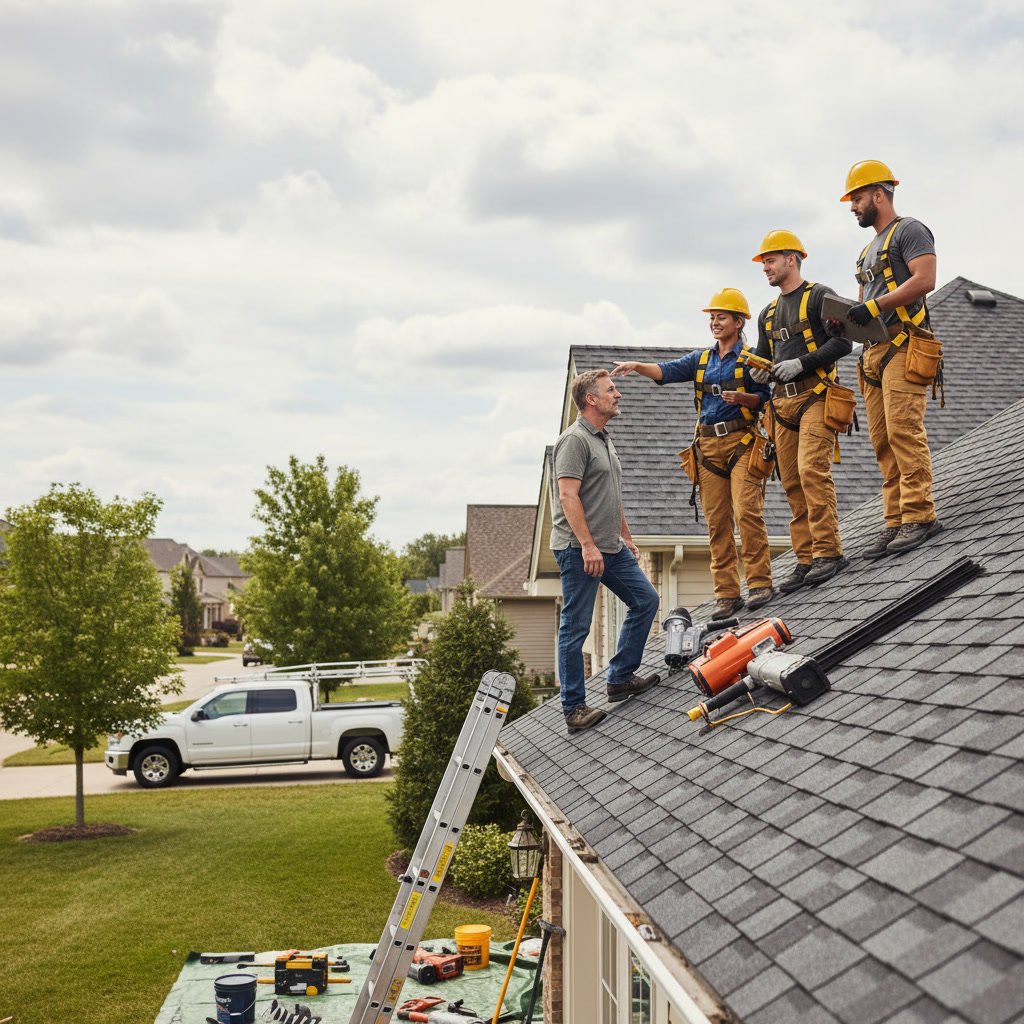
When hiring a roofing contractor, verify their Florida state license, confirm active insurance coverage, get multiple written estimates, check local references, and ensure they offer material and workmanship warranties. A licensed contractor with CCC credentials carries proper liability and workers’ compensation insurance, protecting you from financial liability if accidents occur on your property.
Why Your Choice of Contractor Matters More Than Price
A roof represents one of the largest investments in your property. The contractor you select directly affects the lifespan of that investment, your home’s structural integrity, and your family’s safety. Choosing based on the lowest bid often leads to shortcuts in materials, improper installation techniques, and costly repairs within just a few years.
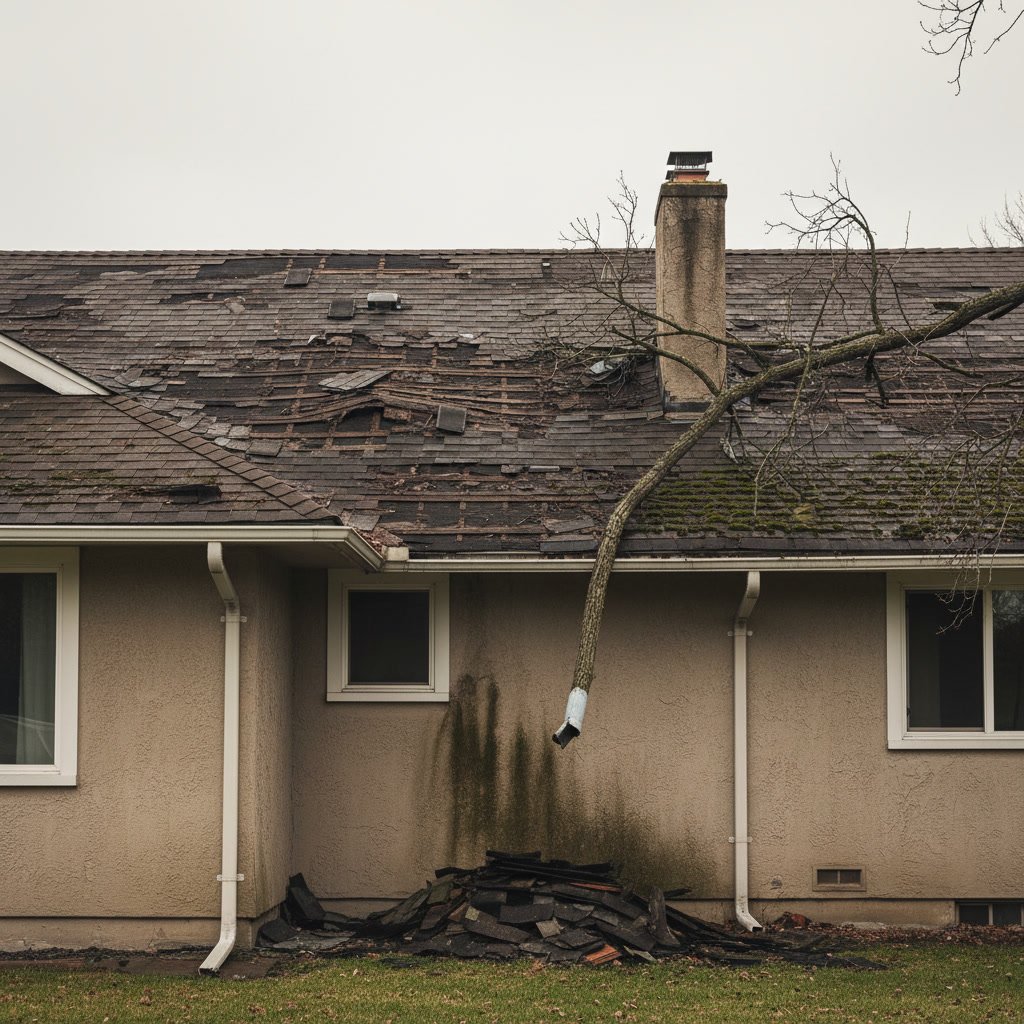
The difference between a proper installation and a substandard one isn’t always visible from the ground. Poor flashing around chimneys, inadequate ventilation, or skipped underlayment can take months or years to reveal themselves through leaks, mold growth, or premature shingle failure. By that time, the contractor may be unreachable or out of business.
Understanding Florida Roofing License Requirements
Florida law requires all roofing contractors to hold either a state-certified license (prefix CCC) or a registered license (prefix CRC). State-certified contractors can work anywhere in Florida and have met higher testing and experience standards. Registered contractors are limited to specific counties or municipalities.
You can verify any license instantly through the Florida Department of Business and Professional Regulation website. Enter the license number and check for active status, disciplinary actions, and expiration dates. An expired or suspended license is an immediate disqualifier. A contractor operating without proper credentials exposes you to significant liability and almost certainly lacks the required insurance coverage.
Insurance Coverage That Actually Protects You
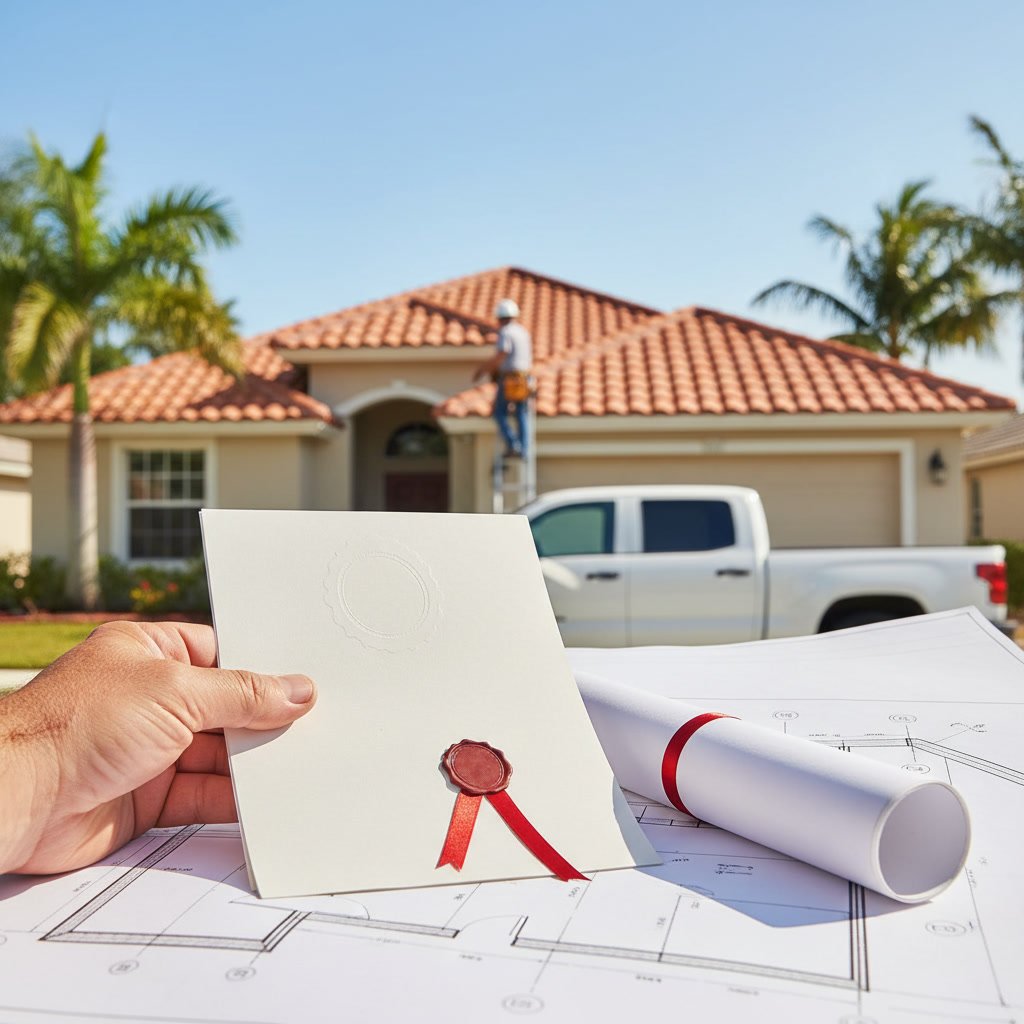
Two types of insurance matter when selecting a contractor: general liability and workers’ compensation. General liability covers property damage during the project. Workers’ compensation protects you if a crew member is injured on your property. Without valid workers’ comp, you could be held personally liable for medical bills and lost wages.
Always request certificates of insurance directly from the contractor’s insurance carrier, not from the contractor themselves. Certificates should list your property address as the job site and show coverage active through your project completion date. Some contractors carry expired policies or provide fraudulent documents. A quick call to the insurance company listed on the certificate confirms authenticity.
The Written Estimate Reveals Professional Standards
A detailed written estimate demonstrates a contractor’s professionalism and protects both parties from disputes. The estimate should itemize materials by manufacturer and product line, specify square footage, list all labor tasks, and include start and completion dates. Vague estimates with lump-sum pricing make it impossible to verify you’re getting what you paid for.
Quality estimates also address ventilation requirements, decking repairs, flashing replacements, and debris removal. These items often appear as surprise charges with less scrupulous contractors. If you’re comparing bids and understanding typical costs for roof replacement in the Brandon area, you’ll spot suspiciously low quotes that likely cut corners on essential components.
What Red Flags Should Concern You in Valrico
Certain warning signs indicate a contractor you should avoid. Requesting large upfront deposits (more than 10-15% of the total) suggests cash flow problems or potential fraud. Pressure tactics demanding immediate decisions often mean the contractor lacks steady work and preys on urgency. Refusing to provide references or a physical business address raises obvious concerns.
Contractors who suggest you file an insurance claim for pre-existing damage commit insurance fraud and can implicate you in the scheme. Those who offer to pay your deductible violate Florida law and insurance contracts. Storm chasers who arrive immediately after weather events, work from out-of-state, and disappear before warranty issues surface represent another category to avoid entirely.
Material Selection and Manufacturer Warranties
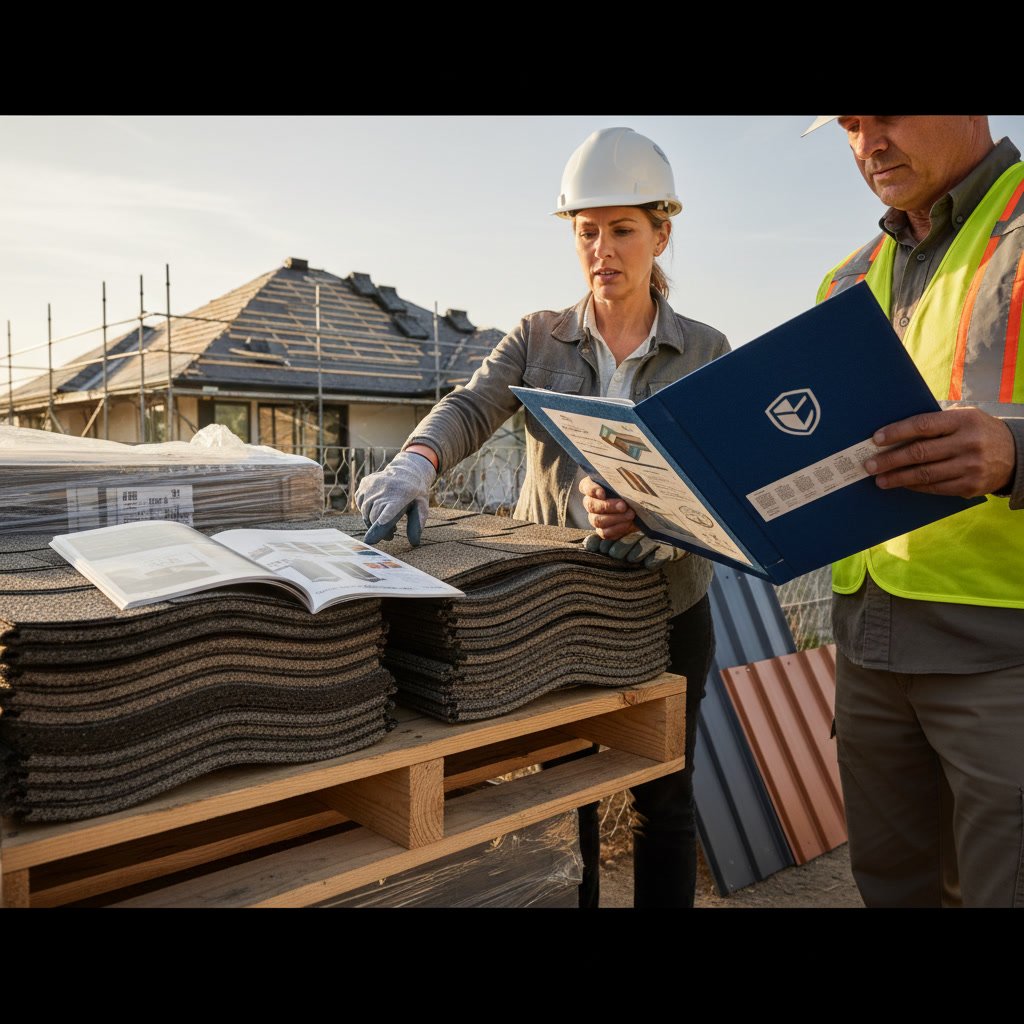
The roofing materials specified in your contract affect both performance and warranty coverage. Premium manufacturers like GAF, Owens Corning, and CertainTeed offer extended warranties only when their products are installed by certified contractors following exact specifications. These warranties typically cover material defects for 25 to 50 years and may include algae resistance and wind damage protection.
Ask which specific product line the contractor recommends and why. Architectural shingles provide better durability and appearance than three-tab shingles. For tile roofing systems, concrete and clay options offer different weight characteristics and lifespans. Flat or low-slope roofs require specialized membranes like TPO, EPDM, or modified bitumen, each with distinct advantages depending on your building type.
Workmanship Warranties and What They Actually Cover
Manufacturer warranties cover defective materials but not installation errors. A separate workmanship warranty from your contractor protects against leaks, flashing failures, and other installation-related problems. Reputable contractors offer workmanship warranties ranging from five to 10 years, with some extending to the life of the roof.
Read the workmanship warranty carefully before signing. Some exclude certain roof areas, require annual inspections at your expense, or become void if you hire another contractor for repairs. The warranty should specify exactly what triggers coverage, the contractor’s response timeline, and whether they’ll cover consequential damages like interior water damage from a leak caused by improper installation.
Local References and Project Portfolio Matter
A contractor’s past work tells you what to expect. Request references from projects completed in the past 12 to 24 months, preferably in your neighborhood. Recent references matter more than decades-old testimonials because they reflect current crews, processes, and business practices.
When contacting references, ask specific questions beyond overall satisfaction. Did the crew arrive on time daily? How did they handle unexpected issues like rotted decking? Did they complete cleanup thoroughly? Would the homeowner hire them again? Visit completed projects in person if possible. Standing seams should align properly, shingles should sit flat without lifting, and flashing should integrate seamlessly with siding and trim.
Seven Steps to Verify a Contractor’s Credentials
Follow this systematic approach to vet potential contractors thoroughly. First, verify the Florida roofing license through the DBPR database. Second, confirm insurance coverage directly with the carrier. Third, check Better Business Bureau ratings and complaint history. Fourth, search online reviews across multiple platforms, watching for patterns in negative feedback.
Fifth, request and contact at least three recent references. Sixth, verify the physical business address through Google Maps or a drive-by. Seventh, confirm the contractor pulls permits for your project. Professional roof inspections and installations require permits in most Florida jurisdictions, and contractors who skip this step often cut other corners.

Contract Terms That Protect Your Interests
Never start a roofing project without a signed contract that covers all essential terms. The contract should include the complete scope of work, specific materials with model numbers, total cost broken down by components, payment schedule tied to completion milestones, start and end dates, and warranty terms.
Important clauses address change orders (how additional work is priced and approved), delay penalties if weather isn’t the cause, lien waivers from subcontractors and suppliers, and dispute resolution procedures. The contract should also specify who obtains permits, whether the contractor carries permit costs, and daily work hours if noise concerns your neighbors. For residential and commercial roofing projects, contract complexity increases with building size and code requirements.
Questions Every Homeowner Should Ask
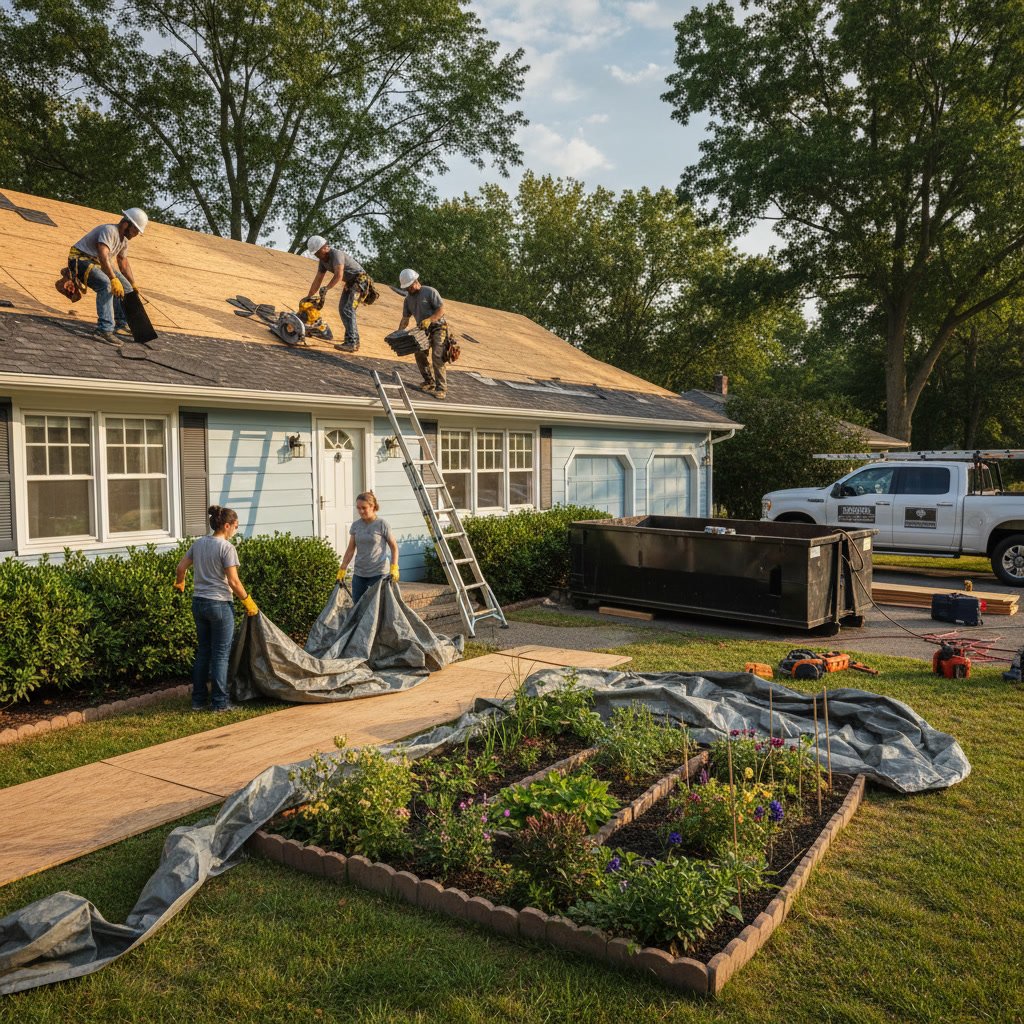
Prepare specific questions before meeting contractors. How long has the company operated under its current name? Who supervises the crew assigned to your project? What happens if weather delays the schedule? How do they protect landscaping, vehicles, and other property during tear-off? What’s included in debris removal and site cleanup?
Ask about subcontractors. Some companies subcontract all actual roofing work to independent crews, which can complicate warranty claims and quality control. Inquire about ventilation assessment. Proper attic ventilation extends roof life significantly, but many contractors ignore this because homeowners don’t notice until problems develop. Question their approach to addressing existing leak damage and whether estimates include decking inspection and repair.
Making the Right Choice for Your Property
After gathering estimates, checking credentials, and contacting references, trust your instincts about professionalism and communication quality. The contractor who answers questions clearly, explains options without pressure, and provides comprehensive documentation typically delivers superior results. Price matters, but the middle bid often represents the best value when all factors balance.
Consider the contractor’s location and longevity in your area. Local businesses with established reputations have more to lose from poor work and remain accessible for warranty service. A contractor based in your region understands Florida building codes, local permit requirements, and climate-specific installation techniques that out-of-area companies may miss.
Quick Quote Roofing brings licensed professionals and comprehensive coverage to every project throughout Valrico and surrounding communities. Our detailed estimates, manufacturer certifications, and local references give you confidence in quality workmanship backed by solid warranties. When your roof needs repair, replacement, or inspection, contact us at +18135647603 for a transparent quote and experienced service you can trust.